SONG MEANINGS (AND FACTS) Since 2017, The Song Meanings and Facts Team have told the stories behind the songs you love. Stay with us on our endless journey to the heart of music understanding and knowledge.
To dissect Grimes’s ‘REALiTi’ is to plunge into a labyrinth of emotional intensity and existential grappling. The track, woven with ethereal synths and Claire Boucher’s distinctive vocals, is a quintessential representation of the human condition set against the backdrop of modern life. It’s a relentless pursuit of understanding in a world that often feels as daunting as it does mesmerizing.
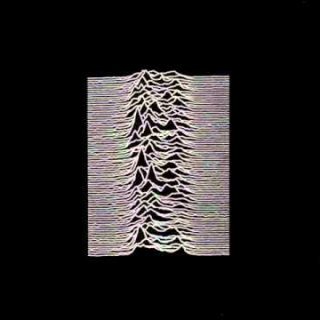
In a landscape of music where emotion and poetry collide, Joy Division’s ‘Insight’ stands out as a stark and haunting reflection of human experience. The song, part of their 1979 album ‘Unknown Pleasures,’ delves deep into themes of despair, apathy, and the bittersweet tug of nostalgia. As we traverse its rhythmic melancholia, we unravel the intricate layers of meaning behind its deceptively simple lyrics.
Like a haunting whisper that echoes through the halls of a desolate heart, Beck’s ‘Lost Cause’ captures the essence of despair and the futility of a battle within oneself. Released in 2002 on the album ‘Sea Change,’ this song marked a poignant shift in Beck’s musical journey, veering away from his eclectic, sample-driven past to a more stripped-down and introspective approach.
In the vast universe of music, where songs often narrate tales meant to resonate on an almost primordial level, Fleet Foxes’ ‘Meadowlarks’ emerges as a hauntingly beautiful enigma wrapped in the folk genre’s warm embrace. The band, known for their intricate harmonies and baroque pop infusions, crafts a tune that evokes both the splendor of nature and the weight of human sorrow.
At the intersection of youthful angst and profound disillusionment, you’ll find John Mayer’s early hit, ‘No Such Thing.’ This track, which quickly became an anthem for young adults everywhere, taps into a generational pulse of seeking meaning beyond societal expectations.
In a harmonic convergence of lyrics and melody, Fiona Apple’s cover of ‘Across the Universe’ transcends mere musical performance and spirals into the realm of poetic mysticism. Originally penned by The Beatles and brought into a new light by Apple’s unique interpretation, this song is a meditation on the perennial and unalterable core of human existence.
Under the lunar glow, the complex fabric of human emotion often finds a soothing balm, or so The Strokes suggest in ‘Life Is Simple in the Moonlight.’ As listeners, we are transported to a mindscape where the simplicity of life contrasts sharply with the convollected, sometimes excruciating contours of personal and societal drama. Delving into these lyrics reveals depths that many a fan might have missed, capturing a moment of vulnerability shielded in poetic abstraction.
Amidst the indie rock landscape, few bands have managed to strike a chord with the poetic introspection that Death Cab for Cutie brings to their tunes. ‘Expo 86,’ a track from their critically acclaimed album ‘Transatlanticism,’ is no mere exception; it’s an evocative journey through the cyclic nature of relationships, packaged in an entrancing melody that belies the deep restlessness of its core message.
At the heart of Led Zeppelin’s musical odyssey sits ‘What Is and What Should Never Be’, a song that ensnares the spirit of the late 60s transcendence with its bluesy undertones and psych-rock aspirations. Psychedelic to its core and unmistakably Zeppelin, the song is an exploration of alternate realities and the internal dialogues haunting the freedom-seeking youth of the era.
When Johnny Cash’s gravelly voice intones the somber words of ‘The Man Comes Around,’ listeners find themselves face to face with a musical odyssey rich in apocalyptic imagery and deep existential rumination. As the final track of his American IV album, the song serves both as a foreboding messenger and a profound contemplation on mortality, fate, and redemption.