SONG MEANINGS (AND FACTS) Since 2017, The Song Meanings and Facts Team have told the stories behind the songs you love. Stay with us on our endless journey to the heart of music understanding and knowledge.
In an industry that often glorifies the facade of excess and hedonic pursuits, The Shoes’ song ‘TIME TO DANCE’ pivots towards a narrative that calls for empowering self-expression. It’s a clarion call for listeners to break free from the metaphorical chains that bind them, an anthem that resonates with those yearning for liberation.
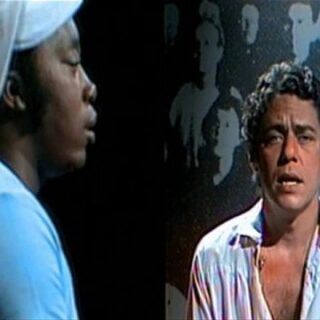
Chico Buarque’s ‘Cálice’ is not just a song; it is a sonic monument, a lyrical act of resilience against the harsh clasp of an oppressive regime. Released in 1973 during Brazil’s military dictatorship, ‘Cálice’ – derived from the Latin ‘calix’, meaning ‘chalice’ but also a homophone for ‘cállate’, meaning ‘shut up’ in Spanish – is a cleverly veiled protest under the guise of a Biblical plea.
The Gaslight Anthem has long epitomized the gritty, heart-on-sleeve ethos of punk-infused Americana, and nowhere is that more apparent than in the yearning track ‘The Spirit of Jazz.’ Beneath the driving guitars and earnest vocals lies a narrative rich with emotion and a touch of nostalgia—a black-and-white photograph in a world of glaring neon.
Drenched in the horns of rebellion, the anthem of Keasbey Nights echoes more than the sounds of a ’90s summer; it encapsulates a zeitgeist of youthful insurgence. The song, a high-octane narrative set to the relentless tempo of ska-punk, articulates a past laced with injuries both physical and psychological.
In the shimmering twilight of modern music, a space where genres bleed into one another and the pulse of electronic beats sync with the human heart, Arizona Zervas cruises into view with ‘NIGHTRIDER.’ This track isn’t just a mere assemblage of catchy hooks and slick production — it’s the embodiment of a nocturnal odyssey, packed with nuanced revelations about liberation and desire.
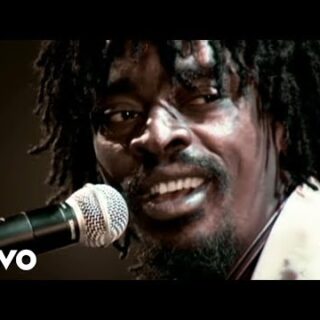
In the sultry heat of Brazilian streets and the serpentine rhythms of samba, Seu Jorge emerges as a troubadour for the modern age with his track ‘Carolina’. The song cradles within it the beating heart of Rio de Janeiro’s vibrant culture and a tale of longing that is both personal and universal.
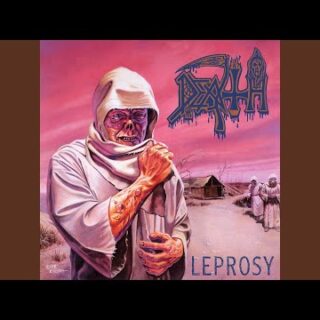
When Death released ‘Leprosy’ in 1988, the title track from their seminal album, it was more than just a foray into the burgeoning world of death metal. It was a statement woven with threads of visceral imagery and human tragedy. The story told by ‘Leprosy’ isn’t merely one of physical decay, but also one of psychological isolation and the forsaken cries of those who society has cast away.
In the pantheon of ’90s alternative rock, Silverchair carved out a place of haunting introspection and blistering honesty. The band’s 1997 track ‘Abuse Me’ from the album ‘Freak Show’ presents a complex tapestry of self-image, masochism, and the human penchant for negative feedback loops. It’s a song that transcends its grunge roots to delve into the depths of the psyche.
At first glance, the instrumental track ‘Slim’s Return’ by Madlib might seem an enigmatic piece of the hip-hop/jazz fusion landscape. Couched within the album ‘Shades of Blue’, Madlib—born Otis Jackson Jr.—takes the listener on an odyssey through samples and sounds that pay homage to the Blue Note Records’ catalog. However, beneath the surface of its beat-driven façade lies a composite patchwork of musical and spiritual significance.
In the emotive ballad ‘Little Miss,’ BoA delves into the complexities of human connections and the paradox of desire versus emotional detachment. Through the rich tapestry of her lyrics, we explore the nuanced landscape of what it means to love, to need, and ultimately, to confront the fear of vulnerability. This musical journey, painted with the strokes of BoA’s soulful voice, leaves an indelible mark on the hearts of listeners.