SONG MEANINGS (AND FACTS) Since 2017, The Song Meanings and Facts Team have told the stories behind the songs you love. Stay with us on our endless journey to the heart of music understanding and knowledge.
Concealed within the quirky britpop melodies that defined the ’90s, Blur’s ‘Tracy Jacks’ is more than just another catchy tune on their stellar album ‘Parklife’. While on the surface it may seem like a peculiar narrative about a mundane character, the song serves as a glaringly insightful commentary on the dichotomy of middle-class existence and the innate human desire for freedom—even when it presents itself in the most unusual ways.
Amidst the cacophony of peace anthems and love ballads that colored the 1960s, Barry McGuire’s ‘Eve of Destruction’ struck a dissonant chord. Releasing in 1965, the song captured the zeitgeist of a generation teetering on the precipice of great social and political upheaval. This was not a song to sway to but one to march with; not one that soothed but that ignited and alarmed.
In the twilight of thought and melody, Katatonia’s ‘Burn the Remembrance’ stands as a haunting tapestry woven from the subtle threads of introspection and loss. This track, a melancholic masterpiece, is a delicate dissection of memory, time, and the imprints we leave behind.
The raucous melody of Gogol Bordello’s ‘Immigrant Punk’ echoes the rebel yells of those who ventured to foreign lands in search of a new home. The song, an energetic mixture of punk rock and gypsy folk influences, lays bare the raw reality of the immigrant experience, wrapped in feverish guitar riffs and relentless percussion. As frontman Eugene Hütz delivers his lines with a fervor that can only stem from lived experience, the listener is thrown into a world of cultural fusion, discomfort, and ultimately, triumph.
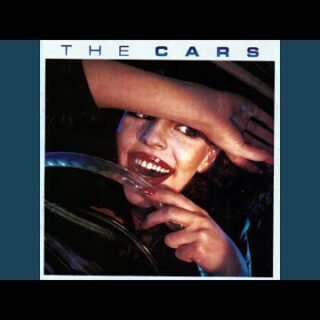
The Cars, a band known for their sharp synthesis of new wave and rock, gave us ‘Moving in Stereo’—a song that weaves through the auditory channels of our mind like a persistent echo of urbanity. This track, from their eponymous debut album released in 1978, stands distinct with its hypnotic baseline, off-kilter synths, and laconic vocal delivery.
Hailee Steinfeld’s evocative anthem, ‘Afterlife’, isn’t just a mellifluous tune that entrances the ear; it’s a profound exploration of love and mortality wrapped in a melody. With the resounding thrum of existential questions woven seamlessly into its lyrical tapestry, Steinfeld’s song is an ethereal testament to the depth our emotions can reach and the yearning for a love that transcends the bounds of life itself.
Janet Jackson’s 2001 hit ‘Someone to Call My Lover’ opens with a feeling of solitude and the anticipation of new love. It’s a vibrant, rhythmic anthem that captures the universal quest for companionship and the excitement that comes with the possibility of finding ‘the one.’ The song’s upbeat tempo belies a deeper yearning, an intimate glimpse into the vulnerable human desire to connect.
Regina Spektor possesses a mastery of weaving complex narrative with emotive melodies, inviting listeners into intricate worlds of her own making. In her song ‘Oedipus’, Spektor puts her poignant spin on the age-old tale, re-imagining the themes of the classic Greek tragedy through the eyes of a modern bard.
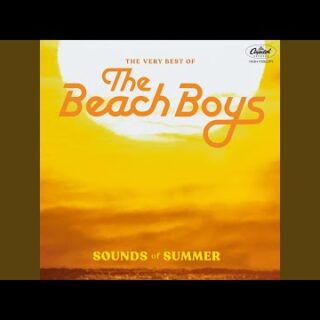
The sun-kissed soundwaves of The Beach Boys have long been synonymous with the carefree allure of the California lifestyle. Among their rich catalog of magical melodies lies a track whose engine roars just as vibrantly as the surf that crashes on the golden shores: ‘Little Deuce Coupe’. This song is a high-octane ode to the hot rod culture that not only ruled the streets but also the hearts of young America in the early 1960s.
In the realm of progressive metal, Leprous stands tall with a discography that weaves complex melodies with deeply introspective lyrics. Among their thought-provoking tracks, ‘The Price’ emerges as a haunting exploration of personal struggle and the inner turmoil that accompanies growth and change.