SONG MEANINGS (AND FACTS) Since 2017, The Song Meanings and Facts Team have told the stories behind the songs you love. Stay with us on our endless journey to the heart of music understanding and knowledge.
Shakira, a name synonymous with pulsating rhythms and razor-sharp lyrics, delivers an ironic anthem for the perpetually single with ‘Men in This Town.’ The track from her album ‘She Wolf’ offers listeners more than just a catchy tune—it encapsulates the frustration, the yearning, and the humor in the eternal search for ‘the one’ in a sea of naysayers and narcissists.
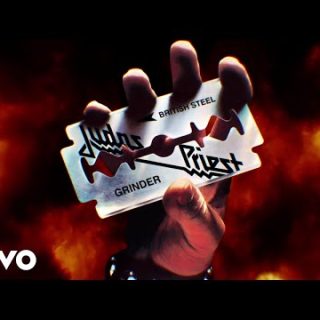
Judas Priest’s ‘Grinder,’ a track saturated with heavy riffs and a rebelliously metaphysical grit, is more than a mere headbanging indulgence. Released on the 1980 album ‘British Steel’, the song’s galloping tempo and unyielding lyrics continue to resonate with audiences as a declaration of personal sovereignty and resistance against societal restraints.
Amidst the shimmering landscape of electronic music, Air’s ‘The Vagabond’ stands out as an anthem for the restless soul—the omnipresent traveler in search of meaning and euphoria. This track, with its haunting melody and introspective lyrics, transcends the confines of sheer auditory pleasure to delve into a deeper, existential journey.
Through a maelstrom of power chords and a chorus that hits like a political rally cry, Bad Religion’s ‘Let Them Eat War’ emerges as a searing commentary on social injustice and the mechanisms that feed it. The song, off their 2004 album ‘The Empire Strikes First,’ resonates with a raw energy that belies a profoundly nuanced critique of the socio-political landscape of its time — a landscape that, arguably, has only grown more controversial with age.
The Front Bottoms, a band celebrated for their emotive storytelling through raw indie rock vibrations, have etched a particularly resonant tale with their song ‘The Beers’. Beyond the immediately endearing melody and sonorous arrangements lay a labyrinth of lyrical introspection – a journey into the depths of youthful desire, insecurity, and the tumultuous quest for identity.
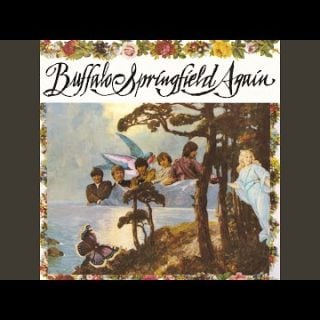
Buffalo Springfield’s ‘Mr. Soul’ stands as a monolith in the garden of 60s psychedelia – an enigma wrapped in the velvet of folk-rock vibrations. Released during an epoch of musical revolution and social upheaval, this mosaic of lyricism continues to ignite discussions on its profound reflections and veiled introspections.
In the pantheon of hip-hop, few songs have resonated with the fervor of 2Pac’s ‘Only God Can Judge Me.’ This track is not just a mirror to the late rapper’s soul but also a manifesto for those who feel marginalized by society’s harsh judgements. It speaks to the human condition of being unfairly scrutinized and the desperate need for authentic self-representation against the world’s seemingly insurmountable challenges.
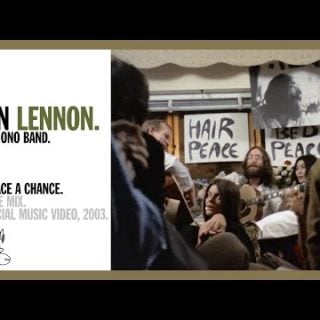
When The Plastic Ono Band released ‘Give Peace A Chance’ in 1969, it was more than just a song; it was a cultural moment encapsulated within a melody. This anthem of togetherness and plea for peace resonated with a generation caught in the whirlwind of the Vietnam War and civil unrest. A raw, minimalistic appeal for tranquility at a time of global cacophony, ‘Give Peace A Chance’ continues to be a unifying call, transcending generations.
LUCKI’s ‘Nascar Dashcar’ emerges as an intricate tapestry of raw emotion and street wisdom, weaving through the high-speed lanes of introspective lyricism.
Threading through the icy veneer of Yung Lean’s ‘Iceheart’, listeners plunge into a shimmering world where the chill of detachment meets the warmth of raw, unstoppable ambition. The Swedish rapper, notorious for his ‘sad boy’ aesthetic, ventures on a path less traveled by weaving the glint of ‘ice’ with the pulsing vitality of ‘heart’, crafting a narrative that is both enigmatic and compelling.