Dead Memories by Slipknot Lyrics Meaning – Unraveling the Emotional Labyrinth
Lyrics
Even now, I realize the time I’ll never get
Another story of the bitter pills of fate
I can’t go back again
I can’t go back again
But you asked me to love you and I did
Traded my emotions for a contract to commit
And when I got away, I only got so far
The other me is dead
I hear his voice inside my head
We were never alive
And we won’t be born again
But I’ll never survive
With dead memories in my heart
Dead memories in my heart
Dead memories in my heart
You told me to love you, and I did
Tied my soul into a knot
And got me to submit
So when I got away,
I only kept my scars
The other me is gone
Now I don’t know where I belong
We were never alive,
And we won’t be born again
But I’ll never survive
With dead memories in my heart
Dead memories in my heart
Dead memories in my heart
Dead memories in my heart
Dead visions in your name
Dead fingers in my veins
Dead memories in my heart
Dead memories in my heart
Dead memories in my heart
Dead memories in my heart
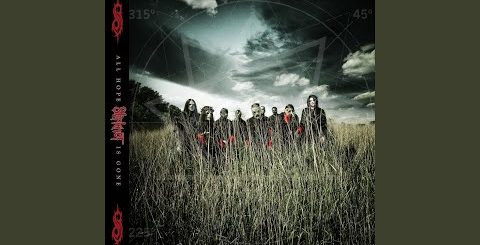
Slipknot’s track ‘Dead Memories’ from their 2008 album ‘All Hope Is Gone’ serves as a labyrinthine trip into the psyche of emotional turmoil and the harrowing journey of letting go. The heavy metal giants have always been adept at marrying intense music with raw, emotive lyrics, but ‘Dead Memories’ stands apart with its poignant dissection of inner chaos.
The song, steeped in metaphors, presents more than just an auditory assault; it delves into a narrative of personal strife, binding commitments, and the haunting remnants of a former self. Below, we probe the depths of this masterpiece, picking apart the cryptic messages and understanding the universal pain it vocalizes.
The Ties That Bind and Break: A Contract of Emotions
The lyrics ‘Traded my emotions for a contract to commit’ are a metaphorical goldmine. They speak of the all-too-human experience of entering relationships and metaphorically signing away parts of ourselves in exchange for stability or the illusion of love. These lines surge with the regret of self-betrayal, a deal made with one’s heart that results in an emotional prison.
Such a contract is not without its escape clause, which is ironically presented as death – not in the physical sense but rather the death of a persona, a past self who could not survive the aftermath of this toxic union. Thus, Slipknot captures not only the loss of a relationship but the deeper self-alienation that often accompanies it.
Chasing Ghosts: The Struggle to Move On
In ‘Dead Memories,’ vocalist Corey Taylor sings about the other ‘dead’ self, making it clear that escaping memories of a past liaison is like trying to silence the voice of a ghost. Hauntingly, the song suggests that remnants of the past self are just beneath the surface, never fully silent.
This battle between the ‘alive’ and ‘dead’ versions of oneself echoes throughout the song. It shows how past experiences shape – and sometimes shackle – our identities. The struggle to wear a new self, free of scarring memories echoes the difficulty of moving forward without being pulled back by the gravity of what once was.
The Crescendo of Pain: When Melancholy Becomes Melody
Musically, ‘Dead Memories’ descends into a crescendo of pain. Slipknot expertly crafts their arrangements, each riff and drumbeat echoing the heart’s deepest distress signals. It’s a song that could come off as an anthem of despair but instead strikes a chord of solidarity with anyone who’s felt the sting of memory’s relentless grip.
The bridge, where music and vocals boil to a point of catharsis, is more than just a memorable melody line. It is the moment when the emotional dam breaks, allowing the listener to confront their own lingering ‘dead memories,’ comforted by the shared language of music and heartache.
The Lyrical Lacerations: Memorable Lines that Cut Deep
‘Dead fingers in my veins’ – the imagery conjured by these words not only resonates with its graphic nature but also alludes to the idea of being manipulated from the inside out. There’s a pervasive sense that the past relationship has left its marks, invisible lines that continue to dictate one’s feelings and actions.
Meanwhile, ‘Dead visions in your name’ summons the specter of a haunting past love, whose very mention invokes a torrent of suppressed emotion and unfulfilled dreams. Slipknot uses their lyricism to rip open the veil between past traumas and a hard-won present, offering an uneasy peace to those brave enough to confront their own memories.
Unearthing the Hidden Meaning: The Other ‘Me’ within Us
One cannot delve into ‘Dead Memories’ without tackling its cryptic heart – the concept of the ‘other me’. This shadowy figure represents a dualism inherent in battling personal demons. This speaks to the human condition of internal conflict, wrestling with aspects of ourselves that hold on to pain like a lifeline, unable to proceed to a state of healing.
Slipknot doesn’t just paint a picture of despair; there’s a nuanced understanding that this duality is integral to growth. It is through acknowledgement and confrontation of this ‘other’ part that we can begin to untangle ourselves from the web of dead memories. This deeper revelation functions as both an admission of vulnerability and a call to arms for self-liberation.