Run Like Hell by Pink Floyd Lyrics Meaning – Unveiling the Haunting Echoes of Paranoia
Lyrics
Run, run, run, run
Run, run, run, run
Run, run, run, run
You better make your face up with your favorite disguise
With your button down lips and your roller blind eyes
With your empty smile and your hungry heart
Feel the bile rising from your guilty past
With your nerves in tatters as the cockleshell shatters
And the hammers batter down your door
You better run
Run, run, run, run
Run, run, run, run
Run, run, run, run
Run, run, run, run
You better run all day and run all night
Keep your dirty feelings deep inside
And if you’re taking your girlfriend out tonight
You’d better park the car well out of sight
‘Cause if they catch you in the back seat trying to pick her locks
They’re gonna send you back to mother in a cardboard box
You better run
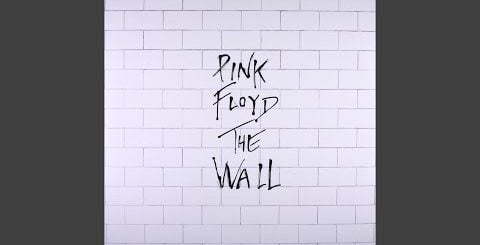
In the pantheon of Pink Floyd’s masterpieces, ‘Run Like Hell’ stands out not just for its exhilarating riffs, but for the raw, looming dread it encapsulates. From their monumental album ‘The Wall’, this track is a sonic embodiment of fear, control, and rebellion—themes that define much of the band’s oeuvre. With ‘Run Like Hell’, listeners are thrust into a frenetic escape, a relentless sprint from the oppressive forces that border on the Orwellian.
The pulsating anthem, often misunderstood as a mere call to abscond from authority, holds much deeper significance. A closer look at its lyrics penned by Roger Waters, reveals layers of social commentary and a chilling narrative that resonates with the individual’s struggle against systemic subjugation. What begins as an unsettling admonition evolves into a searing exposé of the character’s psyche, providing a timeless lens through which we can examine our own responses to persecution and our instinctual craving for freedom.
The Chase of the Haunted Protagonist
The song’s relentless rhythm coupled with Waters’ urgent vocal delivery conjures the imagery of a chase scene, one where the protagonist is incessantly pursued by an unseen yet palpable threat. The repetition of ‘run’ serves as a haunting mantra, a command that melds with the psyche of anyone who has ever felt the need to flee from danger. Pink Floyd masterfully uses this motif to mirror the anxiety that comes from living under the watchful eye of an authoritarian regime.
More than a physical escape, ‘Run Like Hell’ can be seen as a metaphor for the mental scrambling one undergoes when their autonomy is under attack. Every ‘run’ echoes the inner turmoil and the desperation to maintain one’s sense of identity in the face of relentless pressure.
A Glimpse into the Dystopian Dance
The instrumentation of ‘Run Like Hell’ adds an almost dystopian dimension to the track—with Gilmour’s guitar riffs creating a perfect discordance that enhances the feeling of disorder and impending doom. The use of echo in the soundscape is not a mere artistic choice but a deliberate attempt to intensify the sense of isolation that engulfs the protagonist. As the lyrics prompt the listener to disguise themselves and hide their emotions, the music reinforces the necessity of camouflage for survival.
The undercurrent of dance-rock tendencies in the song doesn’t merely entertain; they satirize the very concept of celebration. In the universe of ‘The Wall’, these synths and beats are not just for dancing—they’re a siren call to action against the oppressors, a rhythm to keep time to while strategizing one’s next move in the chessboard of revolt.
The Skeletons in the Closet
When Waters instructs us to ‘make your face up with your favorite disguise’, he isn’t simply suggesting a superficial change in appearance. The line digs into the psychological armor we don when confronting our ‘guilty past’ or preparing to face a society that constantly scrutinizes us. This begs the question—what are we hiding from? Whom are we deceiving? Pink Floyd wrangles with these questions, prodding us to consider whether the ‘roller blind eyes’ and ’empty smile’ are for the world’s gaze or a shield from our reflection in the mirror.
Each verse becomes a deeper dive into the closet of skeletons that every individual, and perhaps every nation, keeps locked away. The ‘hungry heart’ and ‘bile rising’ aren’t just personal afflictions; they’re the collective unease of a society on the brink of moral decay and uprising.
Through the Societal Looking Glass
Although released in 1979, the narrative woven into ‘Run Like Hell’ holds a mirror to contemporary society. The mention of hiding one’s ‘dirty feelings deep inside’ is a quintessential human experience—reflecting the universal pressures to conform and the stigma attached to deviance. Waters compels us to look at how societal norms dictate behavior, squeezing us into predefined roles and punishing those who dare to step out of line.
It’s in the twist of trying to ‘pick her locks’ that Waters isn’t just addressing a literal break-in but rather the infringement of personal freedom and the invasive policing of relationships. The threat of being ‘sent back to mother in a cardboard box’ illustrates the ultimate consequence of dissenting from societal expectations—a fate that, in its hyperbolic nature, underscores the severity of the judgment we impose on each other.
Hidden Meanings in a Runaway Classic
Waters isn’t one for shallow lyricism, and ‘Run Like Hell’ is ripe with symbols and innuendo. Each line of the song can be dissected for deeper meaning, from the camouflage of emotions to the surveillance state allusions. The subtext is a narrative on the human condition, on the need to conform and the consequences of rebelling against a society keen on crushing outliers.
The track, both anthem and admonition, is also a prophetic message to future generations, warning of the cycles of control and rebellion that define human history. It’s a reminder that running isn’t just an act of fear, but one of survival—whether from others, from society, or from aspects of ourselves that we are too afraid to confront head-on.