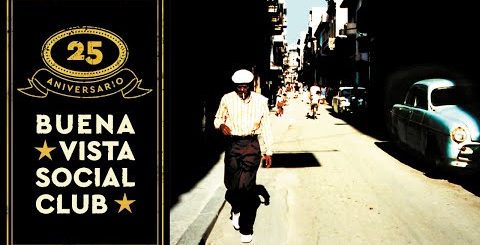
01 Chan Chan by Buena Vista Social Club Lyrics Meaning – Unraveling the Cuban Tapestry
Lyrics
Llego a Cueto, voy para Mayarí
De Alto Cedro voy para Marcané
Llego a Cueto, voy para Mayarí
De Alto Cedro voy para Marcané
Llego a Cueto, voy para Mayarí
El cariño que te tengo
No te lo puedo negar
Se me sale la babita
Yo no lo puedo evitar
Cuando Juanica y Chan Chan
En el mar cernían arena
Como sacudía el jibe
A Chan Chan le daba pena
Limpia el camino de pajas
Que yo me quiero sentar
En aquél tronco que veo
Y así no puedo llegar
De alto Cedro voy para Marcané
Llegó a Cueto voy para Mayarí
De alto Cedro voy para Marcané
Llegó a Cueto voy para Mayarí
De alto Cedro voy para Marcané
Llegó a Cueto voy para Mayarí
De alto Cedro voy para Marcané
Llegó a Cueto voy para Mayarí
De alto Cedro voy para Marcané
Llegó a Cueto voy para Mayarí
De alto Cedro voy para Marcané
Llegó a Cueto voy para Mayarí
In the realm of infusing music with the essence of a place, the Buena Vista Social Club stands as a sentinel at the gates of Cuban culture. Their opening track ’01 Chan Chan’ from the eponymous album is not merely a song; it’s a journey through the verdant lands and soulful history of Cuba. The hypnotic rhythms and plaintive lyrics summon the spirit of an island where music is the lifeblood flowing through its veins.
But ’01 Chan Chan’ is more than a geographic and emotional map; it is a love story wrapped in metaphors, a folk tale etched into the fabric of Cuban music tradition. As with many great pieces of art, the track’s simplicity belies its depth, its repetitive melody and verse both an invitation and a riddle for all who seek to understand its heart.
Unveiling the Voyage of the Heart
The repetitive chorus of ‘De Alto Cedro voy para Marcané…’ is emblematic of a classic troubadour’s tale. Voiced by the legendary Compay Segundo, it is both a literal recount of the journey through towns Alto Cedro, Marcané, Cueto, and Mayarí, and a metaphor for the inescapable journey of love. The path laid out by the chorus, akin to that of the troubadour, reflects the universal experience of searching – for love, for purpose, for a place to plant one’s heart.
However, the romance of the journey doesn’t eclipse the vivid scene-setting at play. Each town name conjures an image of life and the rhythms of the Cuban countryside – the heat of the earth, the lushness of the surroundings, and the persistence of the human spirit. The tune becomes a vessel carrying the listener above and through these landscapes, dropping us into the midst of Cuba’s beauty and its people’s passionate pursuit.
The Eternal Love Dance of Juanica and Chan Chan
Implicit in the song is the tale of Juanica and Chan Chan, vivid characters whose actions represent an elaborate dance of love and longing. As they sift sand in the sea, the mundane task transcends into a symbol of refining one’s emotions, separating the trivial from the significant as one would sand from shells. The image of ‘cernían arena’ (sifting sand) becomes a representation of life’s work – the idea that love requires effort, attention, and a willingness to delve beneath the surface to discover its treasures.
And yet, there’s a bittersweet twist – Chan Chan is shy, or perhaps hesitant. The ‘jibe’ shaking (or perhaps the hips moving), conveys a visceral reaction to emotion, one that can overwhelm or embarrass. Chan Chan’s feeling of ‘pena’ (shame or sorrow) alludes also to the vulnerability of love, echoing the sentiment that the most intense feelings are often the ones we struggle to face or reveal.
An Ode to Passion’s Overflowing Cup
‘El cariño que te tengo / No te lo puedo negar,’ captures the helplessness often found in tales of deep affection. To have one’s ‘babita’ (drool) escape implies a state of being so enamored, so overtaken by emotion, that one’s body acts on its own accord. It suggests an affection so potent it becomes tangible, so earnest it borders on comedic – illustrating love in its most unguarded and human form.
This confession is the essence of Cuban romanticism – passionate, comedic, and sincere. It speaks to a love so deeply rooted that it evades containment, forcing the lover to admit their affection in a way that is both deeply personal and universally relatable.
Clearing the Path: A Lyrical Quest for a Resting Place
A lover’s path should be without obstacles, hence the line ‘Limpia el camino de pajas’ wherein the protagonist seeks a clearing from the ‘straw’ – the mundane and trivial things in life that can hinder the journey towards love. There is a desire to sit upon ‘aquél tronco que veo,’ an acknowledgment of a long-sought resting place, a final destination that the traveler longs to reach but finds just out of grasp.
The repeating of this request highlights the human yearning for companionship and connection. Amidst life’s trials and errant wanderings, the song crafts an image of a solitary spot in the natural world where one can sit and be still with their beloved – a refuge from the complexities of life’s journey, a place where love can flourish unimpeded.
The Journey’s End: A Mystic Tapestry of Cuban Lore
As the music fades and ’01 Chan Chan’ concludes its lyrical odyssey from Alto Cedro to Mayarí, it leaves listeners with a montage of emotions, images, and a palpable sense of place. But its beauty lies in its cyclical nature, the notion that the end of one journey is simply the commencement of another – an ode to the unending exploration of life and love that beats at the heart of Cuban culture.
This song, then, is not just a narrative set to melody. It is an heirloom, a treasured piece of Cuban musical heritage that, through its infectious guitar strings and percussive beats, immerses listeners into the ethos of an island that, despite its political and social challenges, continues to exude warmth, vibrancy, and an unwavering spirit of amor.