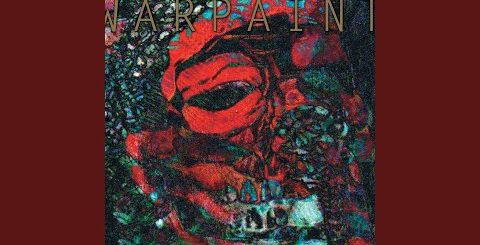
Love Is To Die by Warpaint Lyrics Meaning – The Anthem of Paradoxical Devotion
Lyrics
Am I humble as I go
I’m holding in tight
To something long as I go
Am I humble as I go
I found a way
To look towards this day
But it all hooked up
This could only go one way
I’m not alive, I’m not alive without you
I’m not alive, I’m not alive without you
Love is to die, love is to not die, love is to dance
Love is to dance
Love is to die, love is to not die, love is to dance
Love is to dance
Come around, let’s go found
There’s no words to call
Tonight, you really see nothing of this girl
They work, they don’t know the roots behind
‘Cause I got a knife to cut out the memories
So carefully, too carefully, it’s not necessarily
To be so dark
Got to give in, got to give in
Learn to align, last time older
Got to give in, got to give in
Learn to the five
Love is to die, love is to not die, love is to dance
Love is to dance
Love is to die, love is to not die, love is to dance
Love is to dance
Love is to die, why did you not die, why don’t you dance
Why don’t you dance and dance
The enigmatic track ‘Love Is To Die’ by Warpaint is a complex tapestry of emotion, blending themes of love, existence, and liberation through rhythm and verse. Its hypnotic repetition and ethereal melodies invite listeners into a deeply personal introspection, challenging the very essence of what we perceive as the lifeblood of human connection: love.
Underneath the song’s entrancing soundscape lies a labyrinthine sentiment — a peculiar, almost Socratic dialogue on the burden and euphoria of love. It’s a conversation that tugs at the soul, and Warpaint decorates this existential pondering with musical brushstrokes that enrich its meaning further.
Unlocking the Paradox: Love as Existence and Erasure
At the core of ‘Love Is To Die’ is an apparent contradiction that binds the heart to the guillotine of passion. Warpaint doesn’t shy away from exposing the duality of love, depicting it as both a source of vitality and a forewarning of demise. The haunting repetition of ‘Love is to die, love is to not die, love is to dance’ operates as a mantra, unravelling the intricate dance between love’s life-giving and destructive potential.
This paradox forms a backbone to the somber realization that to be alive is to be vulnerable to love’s tumultuous consequences — essentially, one must accept the risk of heartache as integral to the dance of life. The dichotomy presented, then, becomes a bold statement on emotional survival, a call to embrace love’s complexities in full stride.
The Dance of Dichotomy: An Artistic Expression of Contrast
Warpaint employs the metaphor of dance as an echo of movement and freedom within the confines of love’s tumult. The simple line ‘Love is to dance’ resonates as a testament to love’s ability to set one free, to liberate from mundane existence, becoming both the beat and the silence in-between.
The lyricism in this track is not only a dialog about love’s dualities but also a recognition of the liberation found within its grasp. Despite the melancholic acknowledgment of love’s power to ‘kill,’ there is an underlying celebration of the act of loving; an acceptance that to fully experience love, one must be willing to succumb to its cyclic nature.
Eyes That Stare Into the Soul: A Journey of Self-Awareness
The song opens with an introspective inquiry — ‘Your eyes stare / Am I humble as I go?’. This opening line sets the tone of self-examination. It’s an acknowledgement of love’s sobering effect on ego and pride, suggesting that the ultimate act of devotion is to carry oneself with humility through the gauntlet of affection and loss.
It is a meditation on personal growth through relational trials — a steady gaze into one’s own reflection found within the eyes of another. Warpaint’s poetic intrigue lies in the simplicity of their questions, hinting at a deeper search for meaning and identity in the midst of an emotional pilgrimage.
A Nostalgic Knife: The Cutting Away of The Past
One of the most gripping images the song paints is that of a ‘knife to cut out the memories’, a visceral symbol of the need to sever ties to the past in pursuit of healing and clarity. Warpaint’s verse enshrouds listeners in the complex process of letting go, denoting that only through the careful excavation of past wounds can one truly dance freely in love’s presence.
The portrayal of such deliberate and ‘necessary’ detachment speaks to the universal struggle of moving beyond pain. Here, Warpaint taps into the zeitgeist of love’s modern age — where the old must be conscientiously dismantled to make way for new rhythms of intimacy.
The Soul’s Echo: Memorable Lines that Resonate
Warpaint’s songwriting here is hypnotic and rich with lines that burrow into the listener’s consciousness. ‘I’m not alive, I’m not alive without you’ encapsulates the profound dependency that can be inherent in love, while also suggesting a profound emptiness when separated from the object of one’s affection.
‘Got to give in, learn to align’ resonates as an anthem of surrender to the ebb and flow of love, understanding that alignment within self and with another is the true key to enduring. These memorable verses from ‘Love Is To Die’ echo long after the song ends, leaving their indelible mark on the contours of the heart.