De Camino A La Vereda (Son De) by Buena Vista Social Club Lyrics Meaning – Unveiling the Rich Tapestry of Cuban Life
Lyrics
!Óigame compay! No deje camino por coger la vereda
Usted por enamorado
Tan viejo y con poco brillo
Usted por enamorado
Tan viejo y con poco brillo
El pollo que tiene al lado
Le ha hecho perder el trillo
!Óigame compay! No deje camino por coger la vereda
!Óigame compay! No deje camino por coger la vereda
Ay, pero yo como soy tan sencillo
Pongo en claro esta trovada
Yo como soy tan sencillo
Pongo en claro esta trovada
Compay, yo no dejo el trillo
Para meterme en Canadá
!Óigame compay! No deje camino por coger la vereda
!Óigame compay! No deje camino por coger la vereda
Ay, pero estabamo’ comentando
Por que ha abandonado a Andrea
Estabamo’ comentando
Por que ha abandonado a Andrea
Compadre uste’ ‘ta cambiando
De camino por vereda
!Óigame compay! No deje camino por coger la vereda
Pero óigame compay! No deje camino por coger la vereda
!Óigame compay! No deje camino por coger la vereda
Pero mire compadrito, uste’ ha ‘dejao’ a la
Pobre Geraldina para meterse con Dorotea
!Óigame compay! No deje camino por coger la vereda
!Óigame compay! No deje camino por coger la vereda
!Óigame compay! No deje camino por coger la vereda
No hables de tu marido, mujer
Mujer de malos sentimientos
Todo se te ha vuelto un cuento
Porque no ha llegado la hora fatal
!Óigame compay! No deje camino por coger la vereda
Ay pero óigame compay! No deje camino por coger la vereda
!Óigame compay! No deje camino por coger la vereda
Ay ay ay ay, canta y no llore’ Eliade’
!Óigame compay! No deje camino por coger la vereda
Porque cantando se alegran, cielito mio los corazones
!Óigame compay! No deje camino por coger la vereda
No hables de tu marido, mujer
Mujer de malos sentimientos
Todo se te ha vuelto un cuento
Porque no ha llegado la hora fatal
!Óigame compay! No deje camino por coger la vereda
!Óigame compay! No deje camino por coger la vereda
!Óigame compay! No deje camino por coger la vereda
Ay, hoyanle, hoyanle, hoyanle al mayoral
!Óigame compay! No deje camino por coger la vereda
Pero ahora ese señor está en el paso y no me deja pasar
!Óigame compay! No deje camino por coger la vereda
Calamán, calamán, calamán con chevere
Camina como chevere ha matao su madre, mama
!Óigame compay! No deje camino por coger la vereda
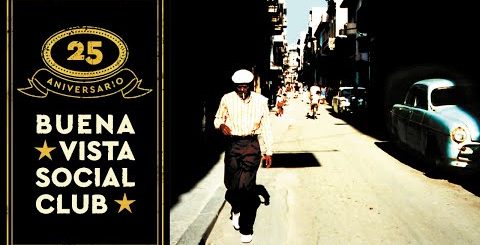
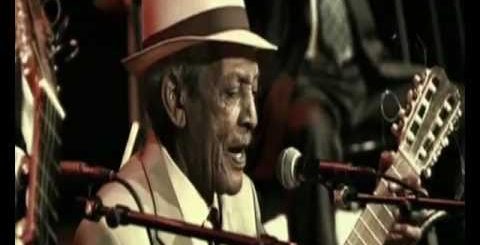
The Buena Vista Social Club, a collection of Cuba’s most illustrious musicians, has graced the world with sounds that are as timeless as they are geographical. One of their gems, ‘De Camino A La Vereda (Son De),’ is not merely a song; it is a narrative, a piece of cultural history, and a window into the heart of Cuba. Within its upbeat tempo and enchanting melody lies a story that harks back to an era of simplicity, charisma, and profound wisdom.
This track, entrenched in the son cubano tradition, carries with it the rhythms of a nation and the stories of its people, taking the listener on a stroll through the very veredas (paths) it cautions against leaving. It’s a song that demands deeper contemplation beyond its surface charm, inviting us to untangle the rich layers of metaphorical lyricism and cultural significance.
The Call of Compay: A Timeless Advice or a Cultural Alarm?
From its incipient verses, ‘De Camino A La Vereda (Son De)’ presents itself as a bout of friendly advice, an elder’s voice echoing ‘¡Óigame compay! No deje camino por coger la vereda,’ which translates to ‘Listen up, friend! Don’t leave the road for the path.’ This refrain is not a mere suggestion; it conveys a life’s warning to stay true to one’s course, to avoid the distractions or shortcuts that may lead astray.
In the context of Cuban culture, these words resonate with an old-world sensibility, reflecting a wisdom passed down through generations – an oral tradition of keeping one’s sense of direction and purpose amid life’s many temptations and detours.
Love’s Labor Lost and Found: The Complexities of the Heart
The song delves into romantic narratives, commenting on the folly of an old flame blinded by love and the pitfalls of misdirected affection. When the lyrics reference a man leaving Andrea for another, it’s not just a sob story of love gone wrong; it’s a metaphorical critique of decisions made in the haze of passion that end up leading one off the ‘trillo’ or the right track.
These stories of lost love are a microcosm for broader human experiences – the way we abandon the known for the unknown, often to our detriment, chasing illusory ideals or fleeting desires.
The Hidden Meanings Behind the Melody
While the surface narrative of ‘De Camino A La Vereda (Son De)’ plays out like a classic song of love and life lessons, there’s a deeper undercurrent at play. The repeated counsel to stay on the ‘camino’ (road) can be seen as an allegory for Cuban societal norms and the tension between modernity and tradition.
In a time when the whole world is rapidly changing, the song could be interpreted as a plea for cultural preservation, for remembering one’s roots amidst globalization and the siren calls of foreign influences – symbolized here by the ‘Canadá’ reference.
Memorable Lines that Resonate with the Soul
‘Compadre uste’ ‘ta cambiando, De camino por vereda’ speaks volumes in its simplicity. This particular line stands out for its raw confrontation of change, addressing the compadre directly and noting a shift from one’s essential path to a less trodden one.
It’s a phrase that captures the essence of the Cuban spirit – resilient, direct, and unafraid of broaching tough truths, all while maintaining the musicality and soulful depth inherent in the cultural fabric of the island.
The Unmissable Rhythmic Heartbeat of Cuba
Despite the reflective nature of its lyrics, the song’s rhythm is infectious – a true heart of Cuban music. It underscores the merge between the African and Spanish musical elements that define son cubano, bringing the narrative to life and compelling the body to move in sync with its heartbeat.
And the final verses, with their faster pace and crescendo of vibrant beats, mimic life’s crescendos, leaving us with the reminder that even in the depths of contemplation and caution, there’s always a space for joy, dance, and the pure celebration that music stirs within the core of human existence.