Long Gone Day by Mad Season Lyrics Meaning – Navigating the Storms of Memory and Loss
Lyrics
It runs from cold to colder
Time to time the skies come down
And help me lose my way
Tears and lies for answers
You and open veins
God knows I’m gone
Girl I just want you to
Come on down
Lord, it’s a storm in my head and I fall
These sins are mine and I’ve done wrong, oh babe
Come on down
Come on down my babe, wrong time I know
Long gone day (woah, woah-oh yeah)
Hmm mmm mmm mmm mmm
Who ever said we’d wash away with the rain?
See you all from time to time
Isn’t it so strange how far away we all are now
Am I the only one who remembers that summer?
Oh woah, I remember
Everyday each time a place was saved
The music that we made
The wind has carried all of that away
Long gone day
Hmm mmm mmm mmm mmm
Who ever said we’d wash away with the rain?
So many tears I’m starting to drown
The rains in heaven must all come down
Silver spoons that fix the crown
The luckless ones are broken
Fears and lies for answers
You and open flames
God knows I’m gone
And I just want you to
Come on down
Lord, it’s a storm in my head and I fall
These Sins are mine and I’ve done wrong
I want you to, oh I just want you to
Come on down
I fear again, like then, I lost my way
Shout to God to bring my sunny day
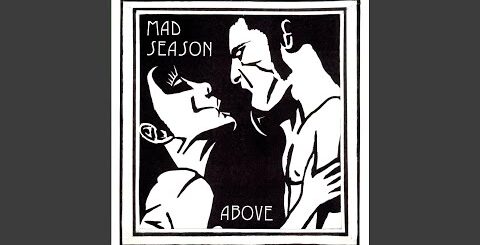
In the lush tapestry of ’90s rock history, few songs weave complexity and raw emotion quite like Mad Season’s ‘Long Gone Day.’ The melodic and poignant track from the supergroup’s single studio album, ‘Above,’ is an evocative journey through the landscape of memory, loss, and yearning.
The song’s intricate layers, a blend of rock, jazz, and blues, invites an exploration of its poetic depth. Anchored by the haunting vocals of the late Layne Staley and the atmospheric instrumentation, ‘Long Gone Day’ is an auditory canvas painted with the pains and revelations of human experience.
The Metaphorical Drowning in Melancholy
The visceral imagery of being overpowered by blood—a symbol of life and, in this context, the pain that it carries—introduces a soul deep in turmoil. It suggests a battle with inner demons so severe that it feels like an actual, physical struggle. The song speaks of an acute awareness of the passage of time, epitomized by the changing temperature of blood and the tumultuous skies that obscure the path ahead.
It is not just the literal implication of the term ‘drowning’ that strikes a chord but the overwhelming sense of being inundated by emotions, of being lost in one’s own head, emphasized by the storm imagery. There’s a longing for not just physical presence (‘Girl I just want you to come on down’) but also for clarity and rescue from the deluge of despair.
Facing the Demons of Regret and Sin
‘Lord, it’s a storm in my head and I fall. These sins are mine and I’ve done wrong,’ Staley sings, evoking the timeless theme of personal accountability and the burden of regret. The lyric hints that our mistakes are invariably our own, a load that can precipitate an internal maelstrom potent enough to topple even the strongest will.
There is a plea for redemption or relief in the repeating invocation for someone to ‘Come on down.’ This line resonates as both a prayer for divine intervention and a call to someone who might offer solace or absolution from the sins that are confessed. Staley’s powerful vocals carry the weight of the admission, showing vulnerability and longing for forgiveness.
The Enigma of Nostalgia: Romanticizing the Past
‘Am I the only one who remembers that summer?’ asks the singer, indicating a universal experience—the solace and curse of nostalgia. The past is a sanctuary, a place where happiness was tangible, the music vibrant, and where connections, now strained by time and distance, once thrived.
However, the remembrance of ‘everyday each time a place was saved’ goes beyond reminiscence; it highlights the fragility of the past and how it can be erased, like how the wind disposes of cobwebs. The ‘Long gone day’ may not just be a reference to lost time, but also to the loss of an inner part of oneself.
Unearthing the Hidden Meaning: The Thirst for an Unreachable Solace
The talk of open veins and open flames hints at self-destructive tendencies, perhaps as a mistaken form of seeking answers. The song skews darkly romantic, suggesting an agonizing passion that both fuels and burns the soul, as well as the intense desire that motivates someone to extremes, be it in love or pain.
God’s knowledge of one’s disappearance (‘God knows I’m gone’) may imply an ultimate witness to one’s battles, underscoring the isolation felt when one sinks into their own psyche. There’s a pervasive sense of having been forsaken, not by deity but by the failure of the self to keep afloat amidst life’s tempests.
Echoes of Pleading Poignancy: The Memorable Lines That Linger
Staley’s repeated cries, ‘Come on down,’ serve as the song’s aching refrain—an invitation, a plea, a demand that slices through the complexity of the lyrics. This lyric resonates as the heart’s cry against the haunting backdrop of the music—a call for someone or something to break through the barrier of the past and the present.
The track’s question, ‘Who ever said we’d wash away with the rain?’ presents an existential challenge. It refutes the notion that pain and memory simply dissolve, instead arguing for their endurance and the significant imprints they leave on the fabric of our being. It’s a philosophical line that whispers of the need to confront, rather than cleanse, the wounds and wonders of our days.