River Of Deceit by Mad Season Lyrics Meaning – Diving Into the Depths of Self-Inflicted Pain
Lyrics
At least, so the prophet says
I could either burn
Or cut off my pride and buy some time
A head full of lies is the weight, tied to my waist
The river of deceit pulls down, oh oh
The only direction we flow is down
Down, oh down
Down, oh down
Down, oh down
Down, oh down
My pain is self-chosen
At least I believe it to be
I could either drown
Or pull off my skin and swim to shore
Now I can grow a beautiful shell for all to see
The River of Deceit pulls down, yeah
The only direction we flow is down
Down, oh down
Down, oh down
Down, oh down
Down, oh down
The pain is self-chosen, yeah
Our pain is self-chosen
Down, oh down
Down, oh down
Down, oh down
Down, oh down
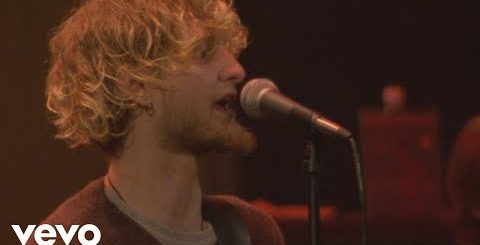
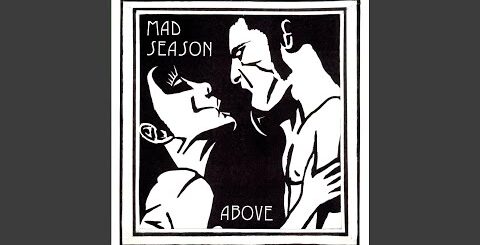
In the turbulent waters of grunge’s heyday, Mad Season’s ‘River of Deceit’ remains a testament to the inner demons that haunt the human psyche. A collaboration between notable musicians of the era, including the late Layne Staley of Alice in Chains fame, the song is steeped in a haunting mixture of personal anguish and the struggle for self-identity.
More than just a melancholy melody, ‘River of Deceit’ delves into the complexities of choice, consequence, and the human condition. Its poetry offers a raw glimpse into Staley’s inner world, where he negotiates the current of his own decisions and the weight of his deceptions.
The Prophet’s Whisper: Interpretations of Choice and Consequence
The opening lines of ‘River of Deceit’ allude to a significant narrative voice – the prophet. This mystical figure’s declaration that ‘My pain is self-chosen’ sets the scene for a contemplation on the nature of suffering and self-imposed burdens. Throughout, the lyrics grapple with the idea that pain is not merely inflicted by external forces but can also be the result of one’s volition and inherent flaws.
Interpreting ‘burn’ and ‘drown’ as metaphors for enduring or escaping pain, the song challenges us to consider if enduring hardship is a conscious decision. In the dance between pride and self-preservation, the lyrics suggest that buying time might come at the cost of being honest with oneself about the sources of one’s anguish.
Anchored in Lies: The Metaphorical Weight of Deception
The imagery of a ‘head full of lies is the weight, tied to my waist’ evokes a visceral understanding of deceit’s toll. The heavier the deceit, the greater the weight that drags the bearer downwards, a sentiment that resonates throughout the song’s chorus as the ‘River of Deceit’ becomes a symbol for the overwhelming force of self-deception and its power to capsize the spirit.
Staley’s expressive vocals tug at the listener’s core, weaving a narrative that is both deeply personal and universally understood. The concept of being pulled down by one’s own fabrications positions the song not just as a personal confession but also as a broader human condition reflective of the era’s cultural disillusionment.
Transformation or Transgression: The Dual Edges of Growth
The duality of suffering and personal evolution is captured in the lines, ‘I could either drown / Or pull off my skin and swim to shore.’ Here, the listener encounters the graphic choice between surrender and transformation, and the potential beauty that could arise from the painful shedding of one’s past.
Staley’s lyrics offer a metaphor for rebirth in ‘grow[ing] a beautiful shell for all to see,’ which can be seen as a plea for resilience or a sardonic nod to the allure of outward appearance in the face of internal turmoil. These lines provide a poignant reflection on the masquerade of normalcy often displayed while hiding inner despair.
The Unyielding Current: Examining the Song’s Hidden Meaning
While the ebb and flow of ‘River of Deceit’ may appear to be a meditation on individual pain, further contemplation uncovers a layered exploration of addiction, a reality that Staley openly struggled with. The downward pull of the river can be seen as a metaphor for the relentless grip of addiction, dragging one deeper into the abyss of self-destruction.
In this context, the ‘river’ stands as an allegory for the deceitful nature of dependence—the lie that one can maintain control while being consumed by their vice. As such, the song assumes an added layer of urgency, a cautionary tale of the perilous journey downstream the river of substance abuse.
Defiantly Downstream: Memorable Lines that Echo in the Void
Each refrain of the chorus anchors the song in an inexorable sense of fatalism. The repetition of ‘Down, oh down’ serves not just as a rhythmic hook but as a mantra of inevitability. These words continue to echo, long after the music fades, a dirge for dashed hopes and the harsh truth that often, we are our own worst enemies.
The final admission, ‘Our pain is self-chosen,’ turns the song into a communal confession, one that extends a hand to anyone caught in their own tumultuous river. Through shared acknowledgment of our intrinsic role in our suffering, ‘River of Deceit’ becomes both an intimate lament and a universal plea for understanding and, ultimately, redemption.