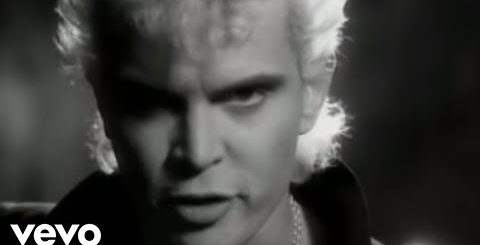
Hot In The City by Billy Idol: Lyrics Meaning – Decoding the Feverish Pulse of Urban Nights
Lyrics
It’s hot here at night, lonely, black and quiet
On a hot summer night
Don’t be afraid of the world we made
On a hot summer night
‘Cause when a long-legged lovely walks by
Yeah, you can see the look in her eye
Then you know that it’s
Hot in the city, hot in the city tonight, tonight
Hot in the city, hot in the city tonight, tonight
(Stranger, stranger)
For all the dreams and schemes
People are as they seem
On a hot summer night
Don’t be no fun, don’t forget you’re young
On a hot summer night
A sometime someone you’re not
Don’t wait to see what you’ve got
‘Cause you know that you’re
Hot in the city, hot in the city tonight, tonight (alright)
Hot in the city, hot in the city tonight, tonight
We’ll walk until my feet drop
I’m a train when I’m hateful
Yeah, lay right down now
And ride until your head breaks
I’m a-walkin’ ’til my brain pops
I will move with the beat now
I’m a chain ’round an A-bomb
I’m a ribbon in the heat now
New York!
Hot in the city, hot in the city tonight, tonight
Hot in the city, hot in the city tonight, tonight
Hot in the city, hot in the city tonight, tonight
Hot in the city, hot in the city tonight, tonight
Hot in the city, hot in the city tonight, tonight
Hot in the city, hot in the city tonight
In 1982, Billy Idol’s ‘Hot in the City’ seared itself into the soundtrack of an urban summer, painting a vivid tableau of the nocturnal heat that engulfs the city as the sun goes down. More than just a track that compels listeners to sway to its sultry beat, the song is a layered narrative, pulsating with the vibrancy of city life and the tensions that come with the dark curtain of night.
While this single may come across as a straightforward anthem to city nightlife, Idol’s lyrics invite a deeper dive into the psychological and social dynamics of urban existence. Behind the steamy façade and thumping rhythm lies a storytelling mosaic, rich with reflections on identity, youth, desire, and the complex tapestry of urban interaction.
The Heat of Alienation in Neon-Lit Streets
Idol’s haunting intonation of ‘Stranger, stranger’ at the outset casts the listener into the depths of anonymity that big city life often entails. These echoes of foreignness amidst the crowd mirror the solitude that paradoxically exists in densely populated metropolises. ‘It’s hot here at night, lonely, black and quiet on a hot summer night’ does not merely depict the temperature but illustrates the burning sensation of isolation that people can feel even when surrounded by millions.
The juxtaposition of the heat with the existential coolness of being alone in a crowd accentuates a common urban dichotomy. The ‘lonely, black and quiet’ aspect speaks to an inner void that throbs against the superficial brightness of city lights — an interplay Idol weaves into being by his repeated emphasis on the contrast between the teeming life and the intrinsic solitude of urban summers.
A Defiant Embrace of Our Man-Made World
Idol urges us not to fear the world we’ve engineered, suggesting a degree of acceptance and even celebration, ‘Don’t be afraid of the world we made on a hot summer night.’ There’s an invitation to take ownership of the urban jungle, to find one’s place within the concrete and steel that might otherwise feel oppressive.
Rooted in 80s dispositions towards modernity and self-empowerment, Idol’s message resonates with an era that was as much about embracing excess as it was about navigating the challenges of unprecedented urban expansion and the accompanying social dynamics.
The Siren’s Song: Desire and Perception in the Night
‘Cause when a long-legged lovely walks by, Yeah, you can see the look in her eye’ — Idol taps into the feverish pitch of sexual tension that simmers in the nightlife. His lyrics paint a picture of fleeting attraction, where a single gaze can pulse with the rhythms of a deeply felt, albeit momentary, connection.
This commentary doesn’t solely lie in the realm of lustful looks but hints at the human yearning for connection that often finds its expression in the anonymity of city life. The long-legged lovely becomes an archetype, a recurring character in the urban narrative that idolizes beauty and desire while simultaneously highlighting the transactional nature of such interactions.
The Hidden Angst of Urban Youth
Behind the apparent celebration of city life and its freedoms, Idol acknowledges the internal struggles with lines like ‘Don’t be no fun, don’t forget you’re young on a hot summer night.’ It’s an implicit recognition of the pressures to conform to the idea of perpetual entertainment and pleasure-seeking that seems mandatory for the young urban dweller.
But the directive ‘Don’t forget you’re young’ is double-edged; it not only argues against surrendering to societal expectations of fun but also serves as a reminder of the fleeting nature of youth and its intrinsic rebellion. The city at night becomes a space to challenge the angst that accompanies the transition into adulthood.
Memorable Lines That Define an Era’s Urban Swelter
‘Hot in the city, hot in the city tonight’ — the anthemic chorus of Idol’s song is an instant recall to the vibrancy and vitality of night in the metropolis. These lines have come to symbolize the relentless energy of the city that never sleeps, as well as the collective urge to experience life in its most intensified form.
Perhaps unexpected in their endurance, these lyrics echo through the decades as a reminder of an era where the city’s heat encompassed more than temperature — it was about being alive, young, and pulsing to the beat of an era’s defiant heart.