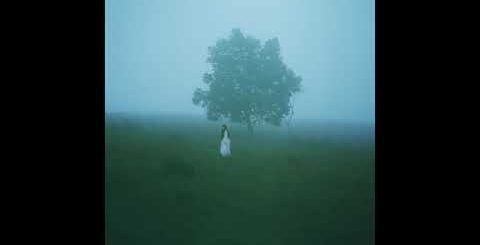
いきのこり●ぼくら by Ichiko Aoba Lyrics Meaning – The Ethereal Symphony of Existence and Endings
Lyrics
ようやく辿り着いた ここは大きな日本家屋
長いトンネルを抜けるまで 怖かったよね
ほっとして 座り込んだ
ひどく汚れた 足の裏
怪我してるのか 少し痛いけど
どれが僕の血なのか わからないね
大きな山の頂で 貴重な生命
身を寄せ合って あたたかな 温度を抱きしめながら
大きな山の麓には 死者の国
僕らを見上げては 光の玉届けて
ボストンバッグには 3日分の服とあの子の写真
今頃どこかで 泣いてるかもね それとも 笑ってるかもね
新しい亡骸を 峡谷へ落とす
鳥たちがすかさず啄んで 空高く 運んでく
毎日の風景 ずっとつづくね
慣れなきゃ、
いきのこり ぼくら、
In the realm of contemporary music, few artists capture the essence of poignancy and introspection as elegantly as Ichiko Aoba with her song いきのこり●ぼくら. This hauntingly beautiful track, which translates to ‘The Survivors, We,’ transcends language barriers, revealing a tapestry of emotion woven with threads of mortality, memories, and the bittersweet aftermath of existence.
Harnessing the subtle power of minimalist arrangement and her ethereal voice, Aoba constructs a narrative that invites listeners to ponder their own lives, fears, and the nature of the journey we all share. As we delve into the profound depths of the song’s lyrics, we uncover layers of meaning that resonate with the universal human experience.
An Ode to the Journey Through Darkness
The opening lines, illuminated by the light of storm clouds, speak volumes about connection and the ultimate destination of ‘a large Japanese-style house’ after braving a ‘long tunnel.’ It’s a metaphor for life’s tribulations, the dark periods we all must traverse, seeking light in others’ eyes as we head toward what we hope is home—a place of safety and belonging.
Through these powerful images, Aoba reminds us of the fear inherent in our shared journey and the relief that comes when obstacles are overcome and a resting place is found. It speaks to a universal longing for a respite from life’s challenges and the communal solace found in reaching a shared goal.
Scars and Scratches: The Stories Our Bodies Tell
Aoba’s lyrical prowess shines when casting attention to ‘terribly dirty soles’ and the vague, lingering pain that accompanies unidentified wounds. There’s a sense of loss, of wear and tear, that accompanies the journey of life, and Aoba captures the essence of this toll. Not knowing whose blood marks our injuries signifies the shared pains and the collective narrative of struggling and surviving.
These lines evoke the vulnerability of life and the inevitable bruises we collect. It’s not the specifics that matter as much as the acknowledgment that life leaves its mark on us all, and these shared adversities connect us in an intimate, unspoken way.
The Dichotomy of Life’s Summit and The Underworld
The contrasting imagery of the ‘peak of a large mountain’ and ‘the land of the dead at the mountain’s foot’ highlights the razor-thin line between life and death. These lyrics speak to the precious nature of life, which we hold dear in the midst of our mortality, and the ever-present awareness of death, a foundation upon which our existences precariously balance.
Aoba conjures a vision of survivors seeking warmth and connection at the summit, juxtaposed with the dead who watch from below, sending ‘globe of light.’ This compelling duality evokes our desires to cling to what’s alive and warm while acknowledging the cold, impartial nature of death, which awaits us all.
Memories in a Bag: The Weight We Carry
In a few short words, Aoba paints a vivid picture of the physical and emotional baggage one carries: ‘A Boston bag with clothes for three days and her picture.’ It’s an inventory of the past and an uncertain future, the weight of memories juxtaposed against the ephemeral nature of human connections.
As we contemplate who the ‘crying or laughing’ girl might be, Ichiko Aoba plunges us into the depths of our own relationships and the spectrum of emotions they evoke. A nostalgic reminder that we all carry remnants of the past as we navigate the present.
A Glance into the Abyss: The Hidden Meaning Unveiled
While the surface story details a physical journey marked by both beauty and decay, the song harbors a profound subtext of the cycles that govern life. ‘Casting new cadavers into the gorge,’ only for birds to swoop in and carry them off into the sky, serves as a stark representation of nature’s unflinching cycle of consumption and renewal.
It is a potent metaphor for the human condition and the passage of all things into history. As Aoba suggests, perhaps we should become accustomed to this, to the cyclical nature of life and death. In the realization of our own mortality and the expectations of continuance, it becomes clear that ‘the survivors we’ are but temporary players in the symphony of existence.