Cálice by Chico Buarque Lyrics Meaning – An In-Depth Dive into the Protest Anthem of Brazil
Lyrics
Pai, afasta de mim esse cálice
Pai, afasta de mim esse cálice
De vinho tinto de sangue
Como beber dessa bebida amarga
Tragar a dor, engolir a labuta
Mesmo calada a boca, resta o peito
Silêncio na cidade não se escuta
De que me vale ser filho da santa
Melhor seria ser filho da outra
Outra realidade menos morta
Tanta mentira, tanta força bruta
Como é difícil acordar calado
Se na calada da noite eu me dano
Quero lançar um grito desumano
Que é uma maneira de ser escutado
Esse silêncio todo me atordoa
Atordoado eu permaneço atento
Na arquibancada pra a qualquer momento
Ver emergir o monstro da lagoa
De muito gorda a porca já não anda
De muito usada a faca já não corta
Como é difícil, pai, abrir a porta
Essa palavra presa na garganta
Esse pileque homérico no mundo
De que adianta ter boa vontade
Mesmo calado o peito, resta a cuca
Dos bêbados do centro da cidade
Talvez o mundo não seja pequeno
Nem seja a vida um fato consumado
Quero inventar o meu próprio pecado
Quero morrer do meu próprio veneno
Quero perder de vez tua cabeça
Minha cabeça perder teu juízo
Quero cheirar fumaça de óleo diesel
Me embriagar até que alguém me esqueça
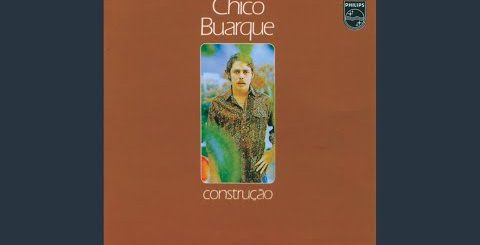
Chico Buarque’s ‘Cálice’ is not just a song; it is a sonic monument, a lyrical act of resilience against the harsh clasp of an oppressive regime. Released in 1973 during Brazil’s military dictatorship, ‘Cálice’ – derived from the Latin ‘calix’, meaning ‘chalice’ but also a homophone for ‘cállate’, meaning ‘shut up’ in Spanish – is a cleverly veiled protest under the guise of a Biblical plea.
Entrenched within its melody is the silent scream of a nation gagged, desperately yearning for the taste of freedom while being force-fed the bitter liquor of surveillance, censorship, and violence. The song’s poetic depth, laden with double meanings and subtle calls to action, remains emblematic of the artist’s prolific resistance against censorship and the power of art to elicit change.
The Chalice of Silence: Unpacking the Metaphor
The recurring chalice in Buarque’s lyrics is a multi-layered symbol that captures the essence of defiance against enforced silence. It’s a vessel holding the ‘wine of blood’, a stark representation of the sacrifices made and lives lost during the dictatorship. The haunting repetition at the song’s beginning begs for the removal of this ‘chalice’, an imploration to God or perhaps a metaphorical father figure to relieve the burden of this imposed silence.
The repeated invocation aligns with the agonizing sentiments of the time, where the masses were rendered voiceless against authority. Buarque’s chalice thus becomes a powerful emblem, illustrating the struggle to avoid consuming the violent reality served by the oppressors, symbolizing an outright rejection of the status quo.
Silenced Voices Echo Loudest: The Opposition Dressed in Poetry
At a juncture when explicit dissent could lead to imprisonment or worse, ‘Cálice’ cloaks its revolutionary fervor in ambiguity. Buarque and co-writer Gilberto Gil (who faced exile himself) turned to allegory and innuendo to express their discontent, crafting an anthem that could pass the censors’ scrutiny while igniting the spirit of protest within its listeners.
The song elucidates the excruciating difficulty of waking in silence, expressing the natural human desperation to be heard amidst curtailed liberties. The lyric ‘I want to launch a non-human scream’ encapsulates the fundamental human longing for expression, especially when faced with the monstrosity of oppression.
A Parched Throat Against the Monolith: Resisting the Muzzle
Buarque doesn’t just dip his pen in dissent; he drenches it. ‘How hard it is, father, to open the door,’ he cries out, laying bare the effort required to speak truths when those very truths are considered acts of treason. The door represents the threshold between silence and expression, a boundary imposed by dictatorship and reinforced through fear.
Each verse peels back the layers of enforced muteness, presenting an image of a society boxed in by the ‘homeric drunkenness of the world’ – the intoxication of power that blinds those at the helm, leading to poor judgments that must be endured by the proverbial ‘drunkards in the city center’ – the everyman.
Not Just a Whisper, but a Scream: Memorable Lines that Still Resonate
Perhaps one of the most poignant images the song paints is ‘This word stuck in the throat.’ It’s a visceral encapsulation of the song’s essence, reflecting how the truth is so often stifled before it has the chance to breathe freely in the air. Such powerful lines reverberate as much with their implications as they do with the raw emotion they carry.
Lines like ‘I want to invent my own sin; want to die from my own venom’ reflect the desperation and desire for agency and self-determination. It’s a proclamation of wanting to break free, to choose one’s destiny, even if it means succumbing to it. Buarque extols the human spirit’s immutable need for freedom and identity beyond the shadow of despotism.
The Legacy of ‘Cálice’: From Repression to Expression
Today, ‘Cálice’ stands tall not just in the annals of Brazilian music but as testament to the enduring spirit of resistance worldwide. It is as much a part of a historical record as it is a song of hope and rebellion for current and future generations facing diverse forms of subjugation.
Chico Buarque’s masterful combination of poetry, music, and political statement in ‘Cálice’ has ensured its status as a perennial reminder of the times when voices were crushed, along with a clear message: that despite silence being imposed, the echo of resistance will always find its way through the cracks of oppression.