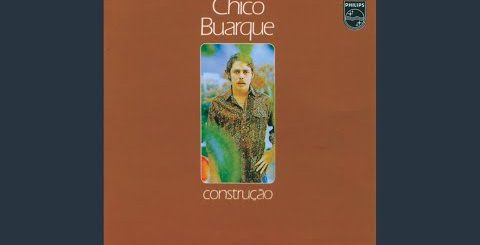
Construção by Chico Buarque Lyrics Meaning – Decoding the Architectural Ballad of Existential Prose
- Music Video
- Lyrics
-
Song Meaning
- The Symphony of Syntax: Verse by Verse Vivisections
- Metaphors of Mortar and Might: Unearthing the Song’s Hidden Meanings
- The Crescendo of Chaos: A Bard’s Blueprint of Breath and Beat
- A Tapestry of Terminal Textures: Memorable Lines and Lacerating Laments
- Echoes of Existence: ‘Construção’ and the Ever-Present Political Pulse
Lyrics
Beijou sua mulher como se fosse a última
E cada filho seu como se fosse o único
E atravessou a rua com seu passo tímido
Subiu a construção como se fosse máquina
Ergueu no patamar quatro paredes sólidas
Tijolo com tijolo num desenho mágico
Seus olhos embotados de cimento e lágrima
Sentou pra descansar como se fosse sábado
Comeu feijão com arroz como se fosse um príncipe
Bebeu e soluçou como se fosse um náufrago
Dançou e gargalhou como se ouvisse música
E tropeçou no céu como se fosse um bêbado
E flutuou no ar como se fosse um pássaro
E se acabou no chão feito um pacote flácido
Agonizou no meio do passeio público
Morreu na contramão atrapalhando o tráfego
Amou daquela vez como se fosse o último
Beijou sua mulher como se fosse a única
E cada filho seu como se fosse o pródigo
E atravessou a rua com seu passo bêbado
Subiu a construção como se fosse sólido
Ergueu no patamar quatro paredes mágicas
Tijolo com tijolo num desenho lógico
Seus olhos embotados de cimento e tráfego
Sentou pra descansar como se fosse um príncipe
Comeu feijão com arroz como se fosse o máximo
Bebeu e soluçou como se fosse máquina
Dançou e gargalhou como se fosse o próximo
E tropeçou no céu como se ouvisse música
E flutuou no ar como se fosse sábado
E se acabou no chão feito um pacote tímido
Agonizou no meio do passeio náufrago
Morreu na contramão atrapalhando o público
Amou daquela vez como se fosse máquina
Beijou sua mulher como se fosse lógico
Ergueu no patamar quatro paredes flácidas
Sentou pra descansar como se fosse um pássaro
E flutuou no ar como se fosse um príncipe
E se acabou no chão feito um pacote bêbado
Morreu na contra-mão atrapalhando o sábado
Por esse pão pra comer, por esse chão pra dormir
A certidão pra nascer e a concessão pra sorrir
Por me deixar respirar, por me deixar existir
Deus lhe pague
Pela cachaça de graça que a gente tem que engolir
Pela fumaça e a desgraça que a gente tem que tossir
Pelos andaimes pingentes que a gente tem que cair
Deus lhe pague
Pela mulher carpideira pra nos louvar e cuspir
E pelas moscas bicheiras a nos beijar e cobrir
E pela paz derradeira que enfim vai nos redimir
Deus lhe pague
Beneath the rhythmic complexity and lyrical labyrinth of Chico Buarque’s ‘Construção’, there lies a profound exploration of human life, labor, and the inescapable gravity of death. Released in 1971 during the oppressive crescendo of Brazil’s military dictatorship, ‘Construção’ emerged not only as an anthem of political resistance but also as an immortal artistic testament that continues to echo through the annals of music history.
With its winding verses and subtle variations, Buarque masterfully crafts a narrative that breaks down the facade of normalcy in blue-collar existence and juxtaposes it with the epic and sometimes tragic narrative of an everyman’s last day. This analysis peels back the layers of ‘Construção’, delving into its intricate messaging, haunting poetry, and the sublime genius through which Chico Buarque communicates the universality of human experience.
The Symphony of Syntax: Verse by Verse Vivisections
Every line in ‘Construção’ tells a story—a story punctuated by relentless, almost Sisyphean cycles. The three verses, each with small but significant changes, simulate the repetitive motions of a construction worker’s day while simultaneously highlighting the individuality of his actions. The repetition alludes to the monotony of labor and the deceptive permanence of existence. Through the repetition, Buarque emphasizes the tenuous thread on which life hangs, with fate’s final snip arriving with unsettling banality among the day’s usual rhythms.
Within this structure, Buarque’s choice of words plays a critical role. The juxtaposition of quotidian tasks with imagery of majesty and despair imbues an ordinary routine with a poignant and surreal poise. It’s an emphasis on the extraordinary within the ordinary, a reminder that every moment is a microcosm of life’s entirety, from the mundane to the magnificent.
Metaphors of Mortar and Might: Unearthing the Song’s Hidden Meanings
Chico Buarque’s ‘Construção’ is steeped in metaphor, with the act of building serving as an allegory for the human condition. The repeated ascent of the protagonist up the construction marks both the daily grind and the elevation of the human spirit, yearning for freedom and a break from the shackles of oppression. In broader strokes, Buarque paints the universal quest for meaning and significance amidst the crumbling edifices of societal confines.
‘Tijolo com tijolo num desenho mágico’ (‘Brick by brick in a magical design’) may refer to the meticulous crafting of one’s destiny or the attempt to leave an indelible mark upon the world, while the worker’s vision ’embotados de cimento e lágrima’ (‘blurred with cement and tears’) suggests the blinding and numbing effects of his toils and the pain of unrecognized humanity.
The Crescendo of Chaos: A Bard’s Blueprint of Breath and Beat
The music of ‘Construção’ is as crucial to its message as the lyrics, with Buarque employing a complex arrangement that defies the typical boundaries of popular song. The song itself is a construction, with each piece—a horn here, a drumbeat there—lockstepping into an escalating, almost frenetic ensemble, leading to the inevitable collapse of the protagonist. The melody mirrors the lyrics’ intention, crafting a soundscape that gives form to the factory of life’s finality.
As listeners, we are maneuvered through the audial architecture of the piece, made to empathize with the worker’s plight through the universal language of harmony and discord, rhythm and release. When the music swells and breaks, we feel the inexorable fall, the concrete crash into silence, mirroring the tragedy of a life’s sudden end.
A Tapestry of Terminal Textures: Memorable Lines and Lacerating Laments
Certain lines from ‘Construção’ resonate with the force of a hammer’s strike. ‘Sentou pra descansar como se fosse um príncipe’ (‘He sat down to rest as if he were a prince’), an ode to the dignity deserved but denied, and ‘Morreu na contramão atrapalhando o tráfego’ (‘He died on the wrong side, disrupting traffic’), a scathing commentary on the indifference of society to individual demise, exemplify Buarque’s talent for poignant prose.
Each stanza echoes with the gravity of existence and the human desire to be seen beyond one’s function. The worker’s experiences are infused with a grandeur that juxtaposes starkly with his anonymized end, an end that serves as an indictment of a world moving too quickly to care for the fallen within it.
Echoes of Existence: ‘Construção’ and the Ever-Present Political Pulse
While ‘Construção’ vividly depicts an individual’s tragic arc, it would be remiss to ignore the broader socio-political critiques embedded within. During the time of its release, Brazil was under a regime that stifled expression and muted dissidence. Through the subversive power of poetic ambiguity, Buarque could voice the sufferings and injustices without overtly confronting the censorship that silenced so many.
‘Por me deixar respirar, por me deixar existir’ (‘For letting me breathe, for letting me exist’) rings as both a sarcastic thanksgiving and a desperate affirmation of existence against systematic erasure. The song’s seemingly personal narrative expands into a collective outcry—a lamentation for the silenced and a clarion call for the acknowledgment of each human’s intrinsic value, imperfections, and inevitable mortality.