No Hardcore Dancing In the Living Room by Chiodos Lyrics Meaning – Unveiling the Layers of Emotional Turmoil
Lyrics
Denying this day, didn’t stop it from coming
Promise me, that you won’t be consumed when you realize
We’re screaming at the same moon
Shredded by state lines
Press my face up against the glass
With both eyelids shut and
baby, this won’t get any easier
baby, this won’t get any easier
baby, this won’t get any easier
Don’t let this die, we may never fall in love again
It’s hard but worth the wait when it’s over
…this die, we may never fall in love again
It’s hard but worth the wait when it’s over
Now open up wide, fist first down your throat
Where no beauty lies, and rip out what should’ve been mine
Comfort always made the rescue, we always hoped ‘for the best’
I’ll burn this with torches, and drown in my consideration
I’ll burn this with torches, and drown in my consideration
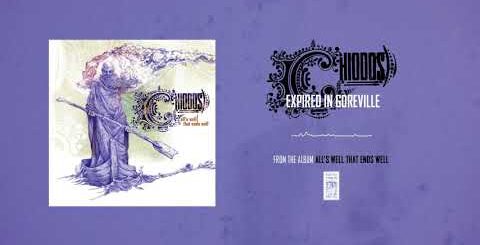
Chiodos, with their song ‘No Hardcore Dancing in the Living Room,’ strikes a chord that resonates deep within the labyrinth of emotional turmoil. Released as part of their 2005 album ‘All’s Well That Ends Well’, the title seems whimsical and light-hearted, but the lyrics delve much deeper into the psyche of personal loss and the struggles of moving forward.
This track takes listeners on a journey through the pain of detachment and the bittersweet nature of clinging to hope amid despair. The emo post-hardcore scene of the mid-2000s often contained levels of introspection and raw emotion, and Chiodos’s song fits comfortably within these confines, even as it transcends them with unique metaphorical fluency.
The Clash with Inevitability: Denial Can’t Stop the Dawn
The opening lines of ‘No Hardcore Dancing in the Living Room’ set a somber tone for a song imbued with despair and resolution. They speak of a decision that doesn’t require mutual consent, emphasizing the sole agency in addressing a confronting reality. Denial may delay acceptance, but like the break of day, some events are unstoppable.
There’s an underlying promise, a caution not to be devoured by the acknowledgment of a shared pain. By invoking the ‘same moon,’ Chiodos illustrates the universality of certain sufferings, suggesting both unity and separation in coping with them.
Fragmented by Distance: A Love Shattered Across States
The imagery presented in the song vividly captures the physical and emotional distance of a strained relationship. Pressing ‘my face up against the glass’ conveys a sense of longing and helplessness that is prevalent in long-distance relationships. The repeated plea, ‘baby, this won’t get any easier,’ acknowledges the ongoing struggle and effort required to maintain the connection.
Distances create barriers beyond geographical ones—they often result in the slow erosion of intimacy and common ground, depicted here as both a literal and metaphorical partition.
The Enduring Heart: Wrestling with the Prospect of a Lost Love
The refrain speaks to the terrifying possibility that love might never strike the same chord twice. Chiodos doesn’t shy away from asserting that the struggle is worthwhile, even in the face of loss. This is the emotional core of the song—a testament to the belief in the importance and rarity of authentic connection.
Yet, such a realization is not without its agony. The conflict between holding onto hope and preparing for the absence of love defines much of the lyrical tension, leaving listeners enmeshed in the same web of feelings.
The Violent Reclamation: Anguish Wanting to Retrieve the Lost
Perhaps the most aggressive imagery in the song comes from the starkly violent demand to reclaim what was once owned. This metaphor for emotional intrusion and the desperate need to hold onto a piece of the past illustrates the chaotic nature of love’s aftermath.
It’s a visceral scene that amplifies the internal battle between moving on and the insatiable hunger to keep what is no longer present. This wrestle for control ultimately becomes destructive, offering no solace.
Baptism by Fire and Water: The Purging of Promise and Hope
As the lyrics progress toward their conclusion, they shift into resignation. ‘I’ll burn this with torches, and drown in my consideration’—here Chiodos paints a picture of someone willing to destroy what’s left of a love in order to finally resurface from the depths of its considerations.
The fire and water imagery suggest a willful purge, a cleansing by the elements. It’s a surrender to a process that reconciles with the death of comfort and the birth of acceptance—a poignant end to a soul-stirring ballad.