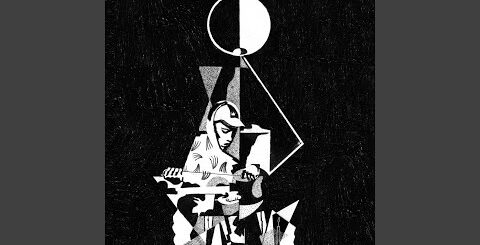
Lonely Blue by King Krule Lyrics Meaning – Delving Into the Depths of Isolation and Desperation
Lyrics
He slated life, was never alone
Lost his touch, encased head to toe
I’d save him but he’s dead
She still hugs the cold night air
Still will search
The burdening city awaits
But he’s gone
Lonely blue, lonely blue
She thought about the flesh and his bones
Took a trip and called down the phone
I’d answer but I’m gone
My head’s in all kinds of a mess
She takes it upon herself, concaves her chest
Now I’d be glad to see, now I’d be glad to see
Lonely blue, lonely blue
The blue cave, the deep dark unknown
Submerged forever soaked to the bone
She screams but she’s stone
Repeats my theory
Crawling through the dirt
From the deep dark, I wandered alone
So forlorn
Now I’ll be glad to see you
Now I’ll be glad to see you
In a ballad, we touch
‘Cause our skulls will mush
So please don’t let go of our kingdom of trash
I got high off butane, I was born amidst a wrath
That boy he’s just a puke stain
That girl she made me mutate
Oh so lonely
Oh so lonely
Oh so lonely
So lonely blue
The sky was blue
And high above the moon was new
This eager heart of mine was singing lover come back to me
Lover, lover come back to me
In an often overlooked corner of King Krule’s stratospheric body of work lies ‘Lonely Blue’, a melancholic odyssey through the jagged contours of the soul. Wrapped in a haunting melody, the track is far more than a simple case of the blues. It compels a deep, almost invasive introspection about the nature of loneliness, love, and the human condition.
While on the surface, the lyrics depict a poignant story of lost connection and emotional desolation, it is the subtext—skilfully woven through Archy Marshall’s raw and gritty vocal delivery—that taps into a universally resonant feeling of being adrift in an indifferent world. Let us tread across the textured landscape he paints and unravel the complex web of meanings couched within the bars of ‘Lonely Blue’.
The Haunting Echo of Despair
Stripping back the layers of ‘Lonely Blue’ reveals a visceral portrayal of despair. Marshall’s descriptions are more than poetic musings; they are the living, breathing manifestations of desolation. As the narrative voice oscillates between observing the lost and being the despondent protagonists, it highlights a collective sense of grief—a shared symphony of sorrow that resonates with listeners.
The recurring phrase ‘lonely blue’ becomes an anthem for this despair, not merely representing the color of melancholy, but embodying a palpable aura of abandonment that saturates the air itself. Marshall personifies loneliness, giving it hues and shades that extend beyond the visual, into the sensory realm of his listeners’ deepest fears.
Unraveling the Narrative’s Duality
King Krule’s ‘Lonely Blue’ weaves a tapestry of perspectives, toggling between the detached observer and the personal, interior monologue. This dual perspective is unconventional, as it immerses us in the story while simultaneously detaching us, forcing reflection on both the observed and the internal.
Archy’s carefully crafted narrative speaks of loss and the aftermath of profound personal earthquakes. The characters drift in their own voids, simultaneously yearning for salvation, while fully engulfed by their personal abysses. This dual storytelling technique forges a deep connection with the audience, settling into the collective psyche with uncomfortable familiarity.
The Pervasive Role of Setting
The urban backdrop of ‘Lonely Blue’ isn’t just scenery; it’s a character in its own right. References to the city create a landscape that is at once comforting and suffocating—the paradox of the modern metropolis where one can be surrounded by millions yet utterly alone.
King Krule paints a picture of an impersonal, burdensome city. This imposing concrete jungle stands in contrast to the natural, ‘blue’ expanses of loneliness. It’s in this setting where personal drama plays out, and the metropolitan canvas becomes an extension of the characters’ inner turmoil and alienation.
The Song’s Hidden Meaning: Substance as Escape and Undoing
Looking beyond the literal, ‘Lonely Blue’ is peppered with metaphors around substance use, particularly in the line ‘I got high off butane, I was born amidst a wrath’. This not only suggests an escapism from the bitter sting of isolation but also hints at the destructive side effects of such endeavors.
Substance as both salvation and curse in ‘Lonely Blue’ becomes a striking commentary on coping mechanisms and the lengths individuals go to in order to numb the sharpness of their reality. Here, King Krule posits that in the quest to mute loneliness, one may inadvertently accentuate it.
Memorable Lines That Echo Long After Listening
‘In a ballad, we touch, ’cause our skulls will mush’, is a deeply affecting line that stands out, its imagery brutal in its intimacy. It bears the weight of human connection, holding within it the fragile hope of unity, even amid decrepitude and despair.
Lines like ‘That boy he’s just a puke stain, that girl she made me mutate’ assert the theme of transformation through pain, a stark reminder of the cost of emotional entanglement and the scarring left by lost love. They are the kind of lyrics that imbed themselves into the listener’s consciousness, offering comfort in shared anguish and a sense of solidarity in the darkness of solitude.