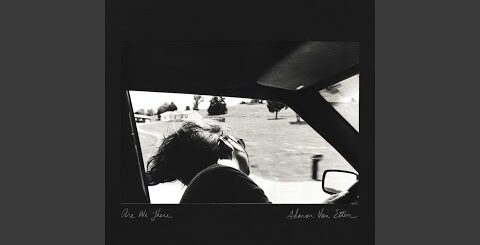
Comeback Kid by Sharon Van Etten Lyrics Meaning – The Resilience Anthem Unveiled
Lyrics
See me look away
I’m the runaway
I’m the stay out late
I’m recovering
Kid, at the top of our street
I was somewhat like him
I was somebody
Comeback kid
Comeback, kid
Come back, kid
Let me look at you
Yeah, you’re the comeback kid
Let me look at you
Then look away
Yeah, I’m the runaway
I’m the hardly stay
Let slip away
Don’t look back
Don’t look back
Don’t look back
Watch me run away
Kid came back a real turn around
Please believe that I want to stay
Got a job now that my brother found
Working nights just a mile away
Don’t let me slip away
I’m not runaway
It just feels that way
Comeback kid
Comeback kid
Come back, kid
Let me look at you
Comeback kid
Comeback, kid
Come back
Sharon Van Etten, known for her emotional excavations through lyricism, weaves a tapestry of contemplation and revelation in her potent track ‘Comeback Kid.’ This anthem, a serenade of resilience and introspection, is layered with the complexities of one’s journey through adversity and the potent desire for self-redemption.
In an exploration of ‘Comeback Kid,’ we delve into not only the textual fabric of its lyrics but also the subtextual and emotive nuances that give it an almost mythic resonance. The song is an ode to the persistent human spirit, chronicling the universal shared experience of faltering and the subsequent resurgence.
Unraveling the Heart of a ‘Comeback Kid’
At a glance, ‘Comeback Kid’ may read as a simple narrative of returning from the brink – a classic underdog story. But Van Etten’s use of terse, repeating phrases hints at a deeper cyclical struggle. Every verse, and indeed every line, offers new shades of meaning, showing the listener how looking at and looking away from our struggles are both parts of the process of overcoming them.
The reluctance in the voice of the narrator to fully engage with their past – from seeing in the mirror the image of what they once were to the admonition to not look back – speaks to a tender space within the human psyche. It’s where our fear of regression tussles with our drive for progress.
In Forward Motion: The Cycle of Escape and Return
The runaway, the stay out late, the recovering identity – these fragments build a picture of continuous motion and restless energy. Van Etten effectively uses the metaphor of physical movement to mirror the internal quest for healing and growth. The progression is a motif that signifies not just a fight against inertia but an active pursuit of a better self.
The use of polarity between ‘runaway’ and ‘comeback’ frames the narrative as one of conflict but ultimately one of hope. This is the dance of life where each misstep is not a fall but a step, albeit a hesitant one, in a new and more enlightened direction.
The Hidden Depths of Resilience in ‘Comeback Kid’
Buried within the catchy beat and rousing chorus is an emotional subtext that suggests ‘Comeback Kid’ is more than just about literal return; it is about transformation. The real turnaround is not geographical but spiritual and emotional. It’s a story of someone who is both pleading for understanding and asserting their new sense of self.
The appeal to ‘please believe that I want to stay’ juxtaposed with fears of ‘slip[ping] away’ exposes the vulnerability that accompanies attempts at personal redemption. It’s a raw and honest depiction of the fear of relapse and the earnest desire for stability.
Echoes of Past and Present: Memorable Lines Explored
Lines such as ‘I’m the runaway / I’m the hardly stay / Let slip away’ and ‘Don’t look back / Watch me run away’ resonate as mantras of self-aware departure and the pains of detachment. These phrases reveal a person that is as much in motion away from themselves as they are toward a new identity.
The infectious refrain ‘Comeback kid / Let me look at you’ holds a self-reflective quality, as if the protagonist is simultaneously encouraging themselves and longing for outside recognition of their transformation. This ambivalence speaks to the heart of the human experience: the interplay between self-perception and the gaze of others.
The Universal Chorus: Why ‘Comeback Kid’ Resonates
Sharon Van Etten manages to capture, in just a few stanzas and a stirring melody, a fundamental aspect of the human journey – the comeback. Whether the song is interpreted as an internal dialogue or a conversation with a cohort or a confidant, the universal appeal lies in its embodiment of endurance and the fight for second chances.
This song thus becomes an anthem for anyone who has ever felt lost, who has ever sought to redefine themselves against the odds, and who believes in the possibility of transformation. ‘Comeback Kid’ is not just a song; it’s a rallying cry, a pat on the back, a look in the eye, and a push forward when the world feels like it’s pushing back.