My Way Home (feat. Common) by Kanye West Lyrics Meaning – A Journey Through Struggle and Self-Discovery
Lyrics
I’m on my way home
They say home is where the hate is
My dome is where fate is
I stroll where souls get lost like vegas
Seen through the eyes of rebel glasses
Pray to god that my arms reach the masses
The young smoke grass in grassless jungles
Rubberband together in cashless bundles
We wear struggling chains
Divided only hustle remains
Making sense of it we hustle for change
Revolution ain’t a game
It’s another name
For life fighting
Someone to stay in they corner like Mike Tyson
Hypes fighting for hits to heighten they hell
Don’t he know he only get as high as he fell
Show money becomes bail
Relationships become jail
Children are unheld
I wish love was for sale
Behold the pale
Horse got me trapped like r. kel’, I bail and it-
Might not be such a bad idea if I never, never went home again
I’m on my way home
I left three days ago
But no one seems to know I’m gone
Home is where the hatred is
Home is filled with pain and it
Might not be such a bad idea if I never
Never went home again.
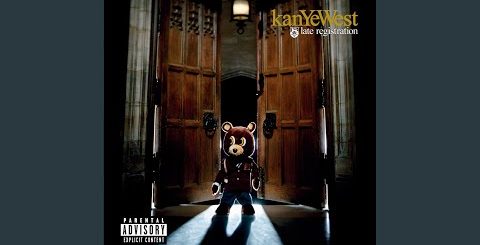
Embarking on a lyrical voyage that meanders through the landscapes of social turmoil and self-realization, Kanye West’s ‘My Way Home’ elucidates a powerful narrative with Common’s poetic touch. A track on West’s critically acclaimed ‘Late Registration’ album, this song constructs a sonic home base where the listener encounters intimate confessions and poignant social commentaries. The artistry of the music is married to the gravity of the lyrics, weaving an evocative tapestry that speaks volumes.
As Common paves the lyrical path, Kanye’s nuanced production choices underscore the emotional gravity of the journey back home—a metaphorical destination fraught with contradiction and self-reflection. Here, we deconstruct the potent messages and subtle nuances etched within this iconic track, deciphering what lies beneath the beats and behind the words.
The Sociopolitical Compass: Where ‘Home’ Resides
Interpreting ‘My Way Home,’ one can’t help but perceive the sociopolitical compass that guides Common’s verses. ‘Home is where the hate is,’ is not just contemplating the domestic space one inhabits, but also the larger society often rife with systemic inequalities and prejudices. Through sterling wordplay, the artist paints his hometown, Chicago, much like Las Vegas—a place where souls are gambled and lost in the high stakes of urban life.
The song’s powerful opening lines double as a critique of the economic and social disparities that breed environments of despair and disorder. As Common speaks, his ‘dome’—the mind—is where destiny unfolds, suggesting an inner cognitive struggle and the desire to overcome external labels and limitations.
Between Revolution and Evolution: Understanding Change
The song cleverly uses ‘hustle’ as a pivot point, signifying not just the struggle for survival but also the quest for change—individual and societal. ‘Making sense of it we hustle for change/Revolution ain’t a game/It’s another name/For life fighting’—the phrase is a mirror reflecting the perpetual fight for a better existence. It’s indicative of the process of evolution, where change is as much an internal revolution as it is an external one.
Common’s narrative doesn’t romanticize the revolution, instead, he paints the stark reality of its necessity and the innate human desire to progress. Where life is a battle, each individual must fight to claim their corner, embracing the agency of their existence.
A Cautionary Tale: The Allure of Heights and Depths
The song captures the human condition’s susceptibility to temptation and the pitfalls of transient highs with ‘Hypes fighting for hits to heighten they hell.’ The societal obsession with success and the materialistic approach to measuring a person’s worth is brought into question. It underscores the irony of seeking elevation in status while simultaneously sinking into moral and personal decline.
Addressing the vicious cycle where ‘show money becomes bail,’ Common suggests that the pursuit of wealth and fame often becomes the very trap that ensnares individuals, leading to a treacherous spiral that alienates them from their true essence and personal connections.
Hidden Meaning: The Pale Horse and Personal Liberation
The mention of the ‘pale horse’ serves as a biblical allusion to death and brings forth the song’s apocalyptic undertone. Within this narrative, Common equates the contemporary trappings of society to bondage, much like the infamous R. Kelly scandal he alludes to. It can also be interpreted as a yearning for liberation from the cycles of despair that urban life and personal demons often represent.
The escape ‘bail’ from such a life is akin to a journey toward enlightenment, striving for a ‘home’ that is not the constraining reality known so far but a beacon of hope and transformation. This reference encapsulates the underlying message of the track: the pursuit of meaning and truth beyond the superficial facades.
Memorable Lines: Never Went Home Again
‘Might not be such a bad idea if I never, never went home again,’ the haunting repetition is a powerful device, etching a longing for detachment from roots that may be poisoned. The repetition emphasizes a deliberate contemplation, paralleling the cyclical nature of suffering and the potential need for radical change.
This line is a moment of clarity, an acknowledgement of the pain and complexity entrenched in the concept of ‘home.’ It also implicitly dares the listener to take stock of their own surroundings, questioning if physical or psychological return to one’s ‘home’ really embodies the remedy one seeks, or if it is, in fact, the source of one’s afflictions.