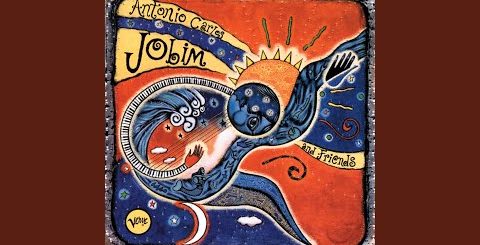
Águas De Março by Antonio Carlos Jobim Lyrics Meaning – Unveiling The Transience of Life Through Song
Lyrics
É um resto de toco, é um pouco sozinho
É um caco de vidro, é a vida, é o sol
É a noite, é a morte, é o laço, é o anzol
É peroba no campo, é o nó da madeira
Caingá candeia, é o matita-pereira
É madeira de vento, tombo da ribanceira
É o mistério profundo, é o queira ou não queira
É o vento ventando, é o fim da ladeira
É a viga, é o vão, festa da cumeeira
É a chuva chovendo, é conversa ribeira
Das águas de março, é o fim da canseira
É o pé, é o chão, é a marcha estradeira
Passarinho na mão, pedra de atiradeira
uma ave no céu, uma ave no chão
É um regato, é uma fonte, é um pedaço de pão
É o fundo do poço, é o fim do caminho
No rosto o desgosto, é um pouco sozinho
É um estepe, é um prego, é uma ponta, é um ponto
É um pingo pingando, é uma conta, é um conto
É um peixe, é um gesto, é uma prata brilhando
É a luz da manhã, é o tijolo chegando
É a lenha, é o dia, é o fim da picada
É a garrafa de cana, o estilhaço na estrada
É o projeto da casa, é o corpo na cama
É o carro enguiçado, é a lama, é a lama
É um passo, é uma ponte, é um sapo, é uma rã
É um resto de mato na luz da manhã
São as águas de março fechando o verão
É a promessa de vida no teu coração
É uma cobra, é um pau, é João, é José
É um espinho na mão, é um corte no pé
São as águas de Março fechando o verão
É a promessa de vida no teu coração
É pau, é pedra, é o fim do caminho
É um resto de toco, é um pouco sozinho
É um passo, é uma ponte, é um sapo, é uma rã
É um belo horizonte, é uma febre terçã
São as águas de março fechando o verão
É a promessa de vida no teu coração
É o pau, é a pedra, é o fim do caminho
É um resto de toco, é um pouco sozinho
É um caco de vidro, é a vida, é o sol
É a noite, é a morte, é o laço, é o anzol
São as águas de março fechando o verão
É a promessa de vida no teu coração
Antonio Carlos Jobim’s ‘Águas de Março’ is a hauntingly beautiful song that captures the essence of the human condition. With an almost hypnotic melody, the song weaves through a catalogue of images, both mundane and profound, to reflect the circularity and the fleeting moments that define our existence.
Jobim, a maestro of Bossa Nova, takes the listener on a lyrical journey that transcends its Brazilian roots to touch on universal themes. As one delves deeper into the lyrics, a tapestry of life in all its complexity begins to emerge, making ‘Águas de Março’ a timeless exploration of the cycle of life.
The March Waters: A Metaphor For Closure and Renewal
The waters of March, the title’s centerpiece, are symbolic of the end of the Brazilian summer signaling a period of transformation. To understand ‘Águas de Março’ is to appreciate the movement from one phase to another, as the rains wash away the past and nourish the future.
This song captures the relentless push towards endings and new beginnings, the natural cycles that are as certain as the coming of the March rains in Brazil. Each line, like a droplet, adds to the outpouring of imagery that illustrates life’s beautiful, perennial churn.
An Ode to the Ordinary: Finding Beauty in Simplicity
From ‘a stick, a stone’ to ‘the end of the road,’ Jobim’s lyrics celebrate the overlooked and commonplace. The song is a reminder that there is a serene beauty in the everyday objects and moments that we often take for granted.
Fusing the humdrum with the sublime, Jobim invites listeners to reflect on the myriad elements that compose our world. Each item listed in the song, no matter how trivial it may seem, contributes to the fabric of life, echoing the significance of the insignificant.
The Eternal Dance of Life and Death
Interlaced within the lyrics is the dance of life and death, night and day, the light and dark of human existence. ‘Águas de Março’ is not just a celebration of life’s offerings; it acknowledges mortality and the omnipresent shadows that follow us.
Jobim doesn’t shy away from the grim realities, underscoring his masterpiece with the sharpness of ‘a cut in the foot’ and the discomfort of ‘a thorn in the hand.’ These visceral images serve as stark reminders of life’s fleeting nature and inevitable hardships.
Cryptic Poetry: Unraveling the Song’s Hidden Meanings
The seemingly disjointed images string together a deeper, cryptic message that listeners are compelled to decipher. Each verse can be perceived as a puzzle piece, a coded message about existence and the enigmatic journey that each of us takes.
As art often mirrors the artist, ‘Águas de Março’ can be viewed as Jobim’s introspection—musings on his triumphs, struggles, and the moments that lie in between. The song thus becomes a personal map, inviting interpretation and self-reflection from all who listen.
Unforgettable Lines That Echo Across Time
‘It’s the stick, it’s the stone, it’s the end of the road’—these lines open and close the song, encapsulating the cycle of life and the elemental forces within it. Jobim’s choice of repetition here is no accident; it calls attention to the cyclical nature of life and our own repetitive patterns of existence.
‘It’s the waters of March closing the summer’—this line serves as a refrain, a powerful reminder of the certainty of change. As the seasons transition, so do we, carrying within us the ‘promise of life’ that springs from the challenges and renewals that each ‘March waters’ symbolically brings.