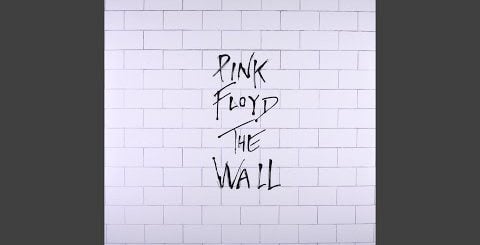
Another Brick in the Wall Part 1 by Pink Floyd Lyrics Meaning – The Psychedelic Lament on Lost Innocence
Lyrics
Leaving just a memory
A snapshot in the family album
Daddy, what else did you leave for me?
Daddy, what’d ya leave behind for me?
All in all it was just a brick in the wall
All in all it was all just bricks in the wall
The zeitgeist of the 70s hardly evaded Pink Floyd’s musical tapestry, with ‘Another Brick in the Wall Part 1’ acting as a prelude to a profound rock opera that would shape generations. Nestled within the epic ‘The Wall’, this contemplative track echoes the haunting absence and emotional detachment wrought by distance and loss.
Laden with metaphoric weight, the lyrics to this track mirror a departure from warmth into the cold embrace of isolation. But to truly understand its nuanced lament, one must dive deeper into the murky waters of ‘Another Brick in the Wall Part 1’, a song that layers personal sorrow over generational discontent.
Building the Wall: A Symbol of Emotional Fortification
The genius of Pink Floyd lies in their ability to weave complex themes into their music, often subtly enfolding personal pain within universal narratives. ‘Another Brick in the Wall Part 1’ is no exception; it serves as a foundation—quite literally—for the narrative of ‘The Wall’. It speaks to the construction of an emotional barrier, brick by brick, an edifice built from the moments of loss and estrangement in our lives.
The song isn’t just about detachment; it’s an exploration of the emotional architecture we create to defend against the pain of absence—how each heartache, each moment of abandonment becomes yet another brick that fortifies our personal barricades against the world.
The Haunting Echoes of ‘Daddy’s flown across the ocean’
Pink Floyd masterfully employs repetition to evoke a sense of lingering loss that resonates throughout the song. The words ‘Daddy’s flown across the ocean’ are not simply reflective of a child’s understanding of separation but also an acknowledgment of the vast, often insurmountable distance between loved ones.
The ocean symbolizes more than a physical barrier; it represents an expanse of emotional disconnect. A feeling of abandonment not only spans across miles but also across generations as this timeless piece speaks to the absence felt by those left to grapple with a missing piece in the family puzzle.
Snapshot Memories: The Lingering Ghosts of the Past
In ‘Another Brick in the Wall Part 1’, the motif of the ‘snapshot in the family album’ serves as a poignant visual metaphor for the static representation of a loved one—forever frozen in time, but absent from the dynamic stream of life. These lyrics highlight the inability of a photograph to replace the multifaceted presence of a parent.
‘A snapshot in the family album’ is more than a memory; it becomes a painful reminder of what’s been lost—a presence reduced to a mere image, a fragment of a whole that serves as a placeholder for the irreplaceable.
Uncovering the Veiled Allegory within the Song
Listeners may initially latch onto the overt context of familial separation in ‘Another Brick in the Wall Part 1′, yet there’s a more nuanced allegory at play. While it reflects Roger Waters’ personal history, with his own father dying in World War II, the song transcends individual sorrow.
The ‘bricks in the wall’ encapsulate the collective desensitization and detachment engendered by society. They are the experiences and indoctrinations that separate us from our authentic selves, the systemic pressures that mold us into something less malleable, more rigid—turning vulnerability into impenetrable stoicism.
From Whisper to Cry: The Most Poignant Lines Revealed
As the verses of ‘Another Brick in the Wall Part 1’ unfold, the repetition of the question ‘Daddy, what’d ya leave behind for me?’ intensifies from a whisper to a cry, from query to accusation, reflecting a universal angst against the inheritance of emotional voids.
A seemingly simple song, the nuance of ‘All in all it was just a brick in the wall’ carries enormous melancholic weight. It’s a strike of realization that every piece of loss—not only our own but also our inheritances—forms a seamless construct: the impregnable wall that is as much a prison as it is protection.