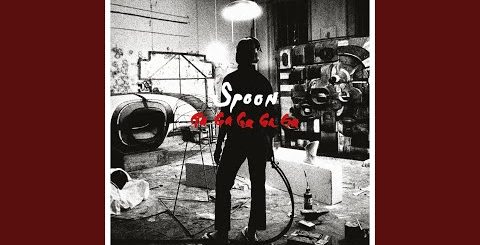
Anything You Want by Spoon Lyrics Meaning – Unraveling the Emotional Labyrinth of Desire
Lyrics
Come on back cause it’s all still here
I’ll be in the back room drinking my half of the beer
And if you and me is so right
Why’s it the same thing every night
It’s just a matter of time
It’s almost measurable
Imagination ain’t kind on us tonight
You’re at your best when you got the guns turned a hundred
Eighty degrees
And finding out if it adds all up right
We go through all the same lines or sell out to appease
But go to sleep in a bed of lies
I made my own more than once or twice
And now time is my time time is my own
And I feel so alive yet feel so alone
‘Cause you know you’re the one and that that hasn’t changed
Since you were nineteen and still in school waiting on a light
On the corner by sound exchange
Spoon’s ‘Anything You Want’ is not just a song—it’s a lyrical odyssey that taps into the complex discourse of yearning and introspection. As it narrates a tale of persistent emotions and the trials of love’s labor, the track emerges as an anthem for the sentimentally steadfast and the cognitively conflicted.
The transparent veil of simplicity in the melody and arrangement belies a poignant message that resonates with anyone who has peered into the abyss of their own desires, only to discover the multifaceted truths that lie within the realms of romance, self-identity, and the passing of time.
Decoding The Drink: Symbols in The Back Room
The evocative setting of ‘the back room’ where our protagonist finds solace in ‘drinking my half of the beer’ is more than a physical space; it’s a mental state of retreat and reflection. The half-empty (or half-full) beer becomes a symbol for the incomplete nature of the relationship and the protagonist’s own life. It raises a question: What is yearned for but still unattainable, even when ‘it’s all still here’?
This hiding away in the ‘back room’ is symbolic of the introspection and isolation experienced in love’s shadow—where desires remain unfulfilled and the illusion of completeness is as tantalizing as it is elusive.
The Paradox of Permanence in Love’s Flux
‘And if you and me is so right, Why’s it the same thing every night?’ This line hits at the core of the song’s emotional resonance—questioning the paradox of a connection that feels essential yet is fraught with repetition and dissatisfaction. It underlines the unsettling feeling of stagnation amidst a relationship that should thrive on dynamism.
Love, in theory, should evolve, yet the protagonist’s lament hints at a cycle that is equally comforting and confining. The routine of love, instead of reassuring, becomes an echo chamber for doubts, reflecting on the nature of love itself—whether it is transformative or simply a comfortable mirage.
The Tyranny of Imagination Over the Heart
‘Imagination ain’t kind on us tonight,’ is a stark admission of the cruelty of one’s own mind at the height of romantic turmoil. Imagination, often idealized as the creator of hopes and dreams, is framed here as an oppressor, casting shadows of uncertainty over what could be a clear, starry night for the lovers.
The internal struggle is laid bare as the mind’s eye, which should envision boundless possibilities for love, instead scrutinizes and measures, looking to quantify the unquantifiable essence of emotional bonds.
Nostalgia and Self-discovery in a Bed of Lies
As the lyrics oscillate between past and present, the line ‘Since you were nineteen and still in school waiting on a light, On the corner by Sound Exchange,’ exposes nostalgia’s double-edged sword. It reflects a longing to return to simpler times and purer feelings, while simultaneously highlighting the growth and change that take place as our protagonist stares down the barrel of their own reality.
However, this reflective passage also serves up a generous portion of self-awareness. The recognition of the bed of lies they’ve slept in—not just from others, but concocted by their own hands—demonstrates an understanding that in the journey of self-discovery, one is just as capable of self-deception.
The Lonely Apex of Awareness and ‘My Time’
Spoon’s cutting message comes to a crescendo with ‘And now time is my time time is my own, And I feel so alive yet feel so alone.’ This declaration of independence marks a profound realization—an epiphany about ownership of self and the duality of feeling more alive in one’s own skin while being starkly aware of loneliness.
This sentiment distills the song’s essence into a few lines, encapsulating the bittersweet trade-off between self-empowerment and the intrinsic human desire for connection and validation. The protagonist finds strength in solitude but recognizes the paradox—alive in their independence, but aching in their solitude.