Banned in D.C. by Bad Brains Lyrics Meaning – Unpacking the Anthem of Punk Resilience
- Music Video
- Lyrics
-
Song Meaning
- The Pulse of Punk Provocation and the Badge of Bandhood
- The Unstoppable Drift: Symbolism of the Atlantic Swim
- The Confrontation with Hypocrisy: Clubs, Minds, and Real Power
- The Fabled Line: ‘No, you can’t afford / To close your doors, so soon no more’
- Decoding the Hidden Meaning: An Exodus of Mind and Music
Lyrics
Banned in D.C. with a thousand more places to go
Gonna swim across the Atlantic, ’cause that’s the only place I can go
You, you can’t hurt me
Why? I’m banned in D.C.
D.C.
We, we got ourselves
Gonna sing it, gonna love it, gonna work it out to any length
Don’t worry, no worry, about what the people say
We got ourselves, we gonna make it anyway
You, you can’t hurt me
Why? I’m banned in D.C.
D.C., D.C
And if you ban us from your clubs
It’s the right time, the right mind
And if you think we really care
You won’t find in my mind
No, you can’t afford
To close your doors, so soon no more
My, oh my, I’ll let you down
Upon the ground, so soon no more
No, you can’t afford
To close your doors, so soon no more
My, oh my, I’ll let you down
Upon the ground
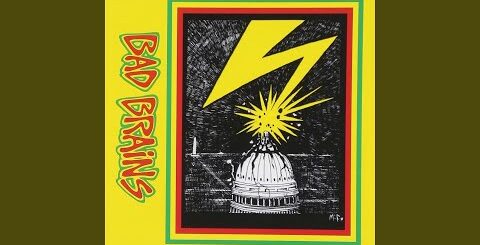
The relentless surge of raw guitar, the fierce smack of drums, the raspy yet melodic shout of the lead vocal; these are the elements that encapsulate Bad Brains’s ‘Banned in D.C.’—an audacious sonic assault that narrates a tale of prohibition, rebel spirit, and the tenacity of a band set against the establishment. This isn’t merely a punk song; it’s a battle cry, a declaration of invincibility fashioned by the marginalized, channeled through the tumultuous energy of one of hardcore punk’s most pivotal bands.
Yet the true resonance of ‘Banned in D.C.’ extends far beyond its breakneck beats and defiant lyrics. It’s embedded in the context of the era, the society it critiques, and the transcendent symbolism it carries. To understand the song’s full depth, we must peel back the layers of this anthem and dive into its soul—the trials and tribulations that forged it, the hidden meanings beneath its surface, and its enduring legacy in the pantheon of counterculture anthems.
The Pulse of Punk Provocation and the Badge of Bandhood
In the eye of the hardcore storm, Bad Brains stood as icons for their sheer capacity to provoke thought and action. The distinct reggae and punk fusion marked their defiance of genres—much like the song ignores the boundaries of expectation. ‘Banned in D.C.’, then, wasn’t just a retort to actual bans from venues but a broader reflection of societal ostracization. Each declaration of ‘You can’t hurt me’ serves as both self-affirmation and a taunt, resonating a clear message to the ears of authority that their attempts to suppress were in vain.
To grasp the power of this anthem is to understand the adversity of the band’s existence in the punk scene—a scene paradoxically built around the ethos of inclusivity and anti-establishment views, yet not immune to the same pattern of exclusions it stood against. Bad Brains, being African American in a predominantly white space, were so often the symbolic ‘other’, which added weight to their words, turning this song into a hard-earned badge of bandhood.
The Unstoppable Drift: Symbolism of the Atlantic Swim
Diving into the metaphorical, the lyrics ‘Gonna swim across the Atlantic, ’cause that’s the only place I can go’ strike with the ferocity of a band tossing itself against the tides of rigid societal norms. This line evokes not just a physical crossing of a vast ocean but an ideological journey—one that defies confinement and explores new artistic and personal realms. Bad Brains’ commitment to musical innovation swims through these words, presenting a refusal to be contained within the four walls of D.C.’s club circuit or any other restricting boundary.
The Atlantic, notorious for waves that have both connected and divided, becomes a channel for Bad Brains to distance themselves from a repressive status quo, suggesting that even if their physical presence is ‘banned’, their cultural and sonic influence will cross continents, permeate borders, and disseminate through the waters of change—both relentless and free.
The Confrontation with Hypocrisy: Clubs, Minds, and Real Power
Bad Brains was acutely aware of the hypocrisy steeped within the venues that shunned them. In the lines, ‘And if you ban us from your clubs / It’s the right time, the right mind / And if you think we really care’, they cast a stark light on the facade of underground music havens that preached radicalism but acted oppressively. This snippet of lyrics is a poignant indictment of gatekeeping in spaces that were supposed to be sanctuaries for the outliers.
The song’s refusal to care for the banishment comes from a profound realization that the true bastion of power never resided in these physical spaces—it was, and forever is, entrenched in the minds of the individuals and the community. The ‘right mind’—free-thinking, resilient, and resolute—stands tall against the ‘right time’, where exclusion is masked as prudence.
The Fabled Line: ‘No, you can’t afford / To close your doors, so soon no more’
Arguably one of the more memorable stanzas, ‘No, you can’t afford / To close your doors, so soon no more’ radiates with the foresight of the band’s understanding of cultural shifts. Bad Brains sensed the bubbling undercurrent of transformation within the music industry and society at large. Their assertion of affordability is twofold—economically, where venues might suffer closure from the lack of diversity and sonic innovation, and metaphorically, acknowledging the transactional nature of cultural capital and the currency of authenticity.
Furthermore, these lines mock the shortsightedness of those who attempted to stifle the growth of a movement that was, inevitably, bursting forth beyond their feeble grasp. Bad Brains forecasted a future where gatekeepers would render themselves obsolete, and where the fertile ground of revolt and renewal would flourish beyond their ‘closed doors’.
Decoding the Hidden Meaning: An Exodus of Mind and Music
Beneath the electric veneer of ‘Banned in D.C.’ pulses a hidden motif—an exodus not from a physical city, but from the captivity of a prescribed identity. The song’s essence chides the absurdity of attempting to pigeonhole a movement as explosive and dynamic as punk, especially when fronted by artists as enigmatic and multidimensional as Bad Brains.
This theme of departure blankets the song like a shroud, forewarning those who dare prescribe the boundaries of music and expression: here stands a group unwilling to compromise, an ensemble fortified by their ‘banishment’, and a collective crescendo that would transform the very face of punk. To be ‘banned in D.C.’ is not to be silenced—it is to loudly declare the beginning of a new chapter in cultural defiance, one that echos still, as prophetic as the day it was first channeled through rebellious chords and irrepressible spirit.