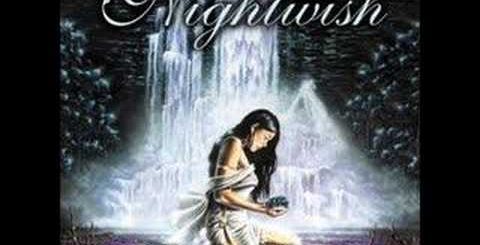
Bare Grace Misery by Nightwish Lyrics Meaning – Exploring the Shades of Darkness Within
Lyrics
I am the dark side of you
Die for my sins
Like the One once did
Cinnamon bed
For your unashamed appetite
A figurante
This dance will hurt like hell
Oh, bare grace misery
Just a child without a fairytale am I
Dark but so lovely
A Little Match Girl freezing in the snow
Love lying, enticing
(Bare grace misery)
Crowning the moment
(Bare grace misery)
This is what I am
Bare grace for the end of days
Romantic scent
Spoiled Lucrece lies warm for you
There’s no such priest
That can pray me to heaven
When done with me
Forget if you think I feel ashamed
A wild thing
Never felt sorry for anything
Love lying…
Within the layered tapestry of symphonic metal, Nightwish’s ‘Bare Grace Misery’ emerges as a poignant narrative, laced with rich allegory and haunting melodies. As the track delves into the depths of the human psyche, it unravels a tale that’s as captivating as it is cryptic.
Often, the true essence of poetry in music lies beneath the surface, waiting for the ardent listener to peel back layers of metaphor and allusion. ‘Bare Grace Misery’ makes no exception, beckoning an exploration into its lyrical labyrinth. Let’s embark on this auditory journey, unraveling the meanings and the emotive force propelling this Nightwish classic.
The Dark Reflection – Embracing One’s Shadows
Biblical allegory and personal revelation intertwine as the opening lines introduce a dialogue with the darker self, suggesting an internal struggle with innate darkness and sinfulness. The reference to sacrificial atonement—’Die for my sins like the One once did’—evokes the Christ figure.
This deep dive into the shadow self not only acknowledges human flaws but also points to the universal quest for redemption. The evocation of ‘cinnamon bed’ and ‘unashamed appetite’ further pushes the narrative into the realm of temptation and the eternal dance between virtue and vice.
Dancing on Thorns – The Painful Waltz of Existence
The tangible feeling of discomfort hinted in ‘This dance will hurt like hell’ echoes the perennial struggle of life, symbolizing how moments of joy are often accompanied by pain. The dance motif throughout the song portrays life’s complexity, where beauty and agony coexist.
In this dance, grace and misery are the partners, waltzing to a cadence dictated by life’s unpredictability. The exquisite agony of the dance implies that suffering is not just inevitable but also an intrinsic part of what it means to be truly alive.
An Innocent’s Lament – Unraveling the Hidden Meaning
As the lyrics unfold, ‘Just a child without a fairytale am I’ stands out, depicting a narrative of lost innocence and the realization that life is not the fairy tale one might have hoped for. The Little Match Girl reference, a classic tale of despair and hope, anchors the song in a deeper socio-cultural context.
This image is stark, the Little Match Girl freezing in the snow – a symbol of the unbearable hardships faced yet illuminating a spark of hope, bright and fleeting, in the moments before it extinguishes. It’s a profound reflection on the ephemeral nature of hope and joy in the face of life’s cold realities.
Visions of an End – The Apocalyptic Romance
The lyric, ‘Bare grace for the end of days,’ transcends personal agony and nudges towards an apocalyptic vision, where grace seems bare, minimal, as the world heads towards its twilight. A scent of romance still lingers, though, suggesting an enigmatic connection between love and the end times.
This apocalyptic romance culminates in the imagery of ‘spoiled Lucrece lies warm for you,’ a nod to the story of Lucretia from ancient Rome, symbolizing betrayal and the loss of innocence, ultimately leading to downfall and change. The juxtaposition of warmth and ruin offers a compelling duality.
The Untamed Heart – Echoes of Unapologetic Existence
Nightwish doesn’t shy away from expressing a defiance towards contriteness in ‘A wild thing never felt sorry for anything.’ It’s a declaration of living unapologetically, untamed by societal norms or the pangs of conscience.
This brazen proclamation invites listeners to consider the liberation inherent in accepting one’s true nature, regardless of how it may defy traditional expectations. To never feel sorry is to completely embody one’s raw and primal essence, finding truth beyond the constructs of shame and regret.