Begging by The Libertines Lyrics Meaning – An Ode to Lost Innocence and Desperation
Lyrics
Round the bench in the park
Your sisters in the dark today
Watery pinned eyes
My soul has gone a little cold
Well, maybe maybe next year
If it isn’t to dear
We’ll get ourself some good time girls
Remember when you pay
You’ll pay in many many ways
Now he’s crossing the road
Picking up his daily sport
Oh now they’re begging you
They’re begging you
What will you do?
Oh my they’re begging you
Your friend begging you
What can you do?
Have you heard the singer said
He’s a dead ringer for
A feeling that I used to know
Hell she cries oh hell
No no it’s a funny way to go
Now he’s crossing the road
Picking up his daily sport
Oh now they’re begging you
They’re begging you
What will you do?
Oh lord they’re begging you
Your friend begging you
What can you do?
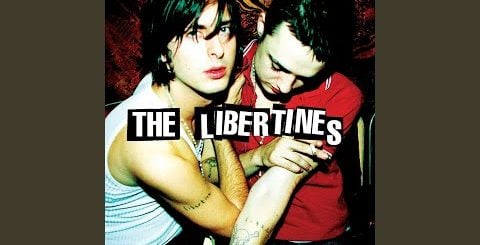
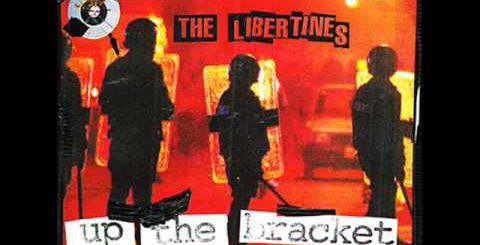
The Libertines, a band that fast became the emblem of raucous, early 2000s British rock with their blend of punk and garage influences, often infused their work with poetic ruminations on modern life’s malaise and youthful unrest. ‘Begging,’ a track that embodies their typical frenetic energy, is awash with literary flamboyance and seediness that fan the flames of interpretation.
At first listen, ‘Begging’ might seem like another punk rock anthem with its jangling guitars and rousing chorus, but beneath the surface lies a tapestry of textured meanings and hidden lamentations. It’s a song that captures, in utter poetic confusion, the essence of the daily grind and the poignant interplay between human connection, personal vices, and the longing for something or someone lost.
The Park Bench Serenade: Unveiling The Libertines’ Urban Pastoral
The opening images draw listeners into a setting steeped in urban disillusionment: ‘All animals we are / Round the bench in the park.’ Here, The Libertines paint a grim portrait of life’s daily theater. The park bench — a public, yet intimately anonymous space — becomes a vantage point where the city’s dispossessed come together, a microcosm of society’s wider struggles and camaraderie.
‘Your sisters in the dark today / Watery pinned eyes / My soul has gone a little cold.’ These lines hint at a shared but unspoken suffering, evoking feelings of addiction and alienation that have left their indelible mark on the soul. It’s the coldness, both literal and emotional, that starts to settle in when life’s relentless challenges have been faced one too many times.
Gambling with Life — The Dice Throw of Existence
The theme of gambling runs like a thread through ‘Begging.’ The lyrics practically scream the age-old risks of hedonism wherein ‘When you pay / You’ll pay in many many ways.’ This alludes not just to the financial cost but the existential toll that comes from living life on the edge, constantly hustling in the city’s underbelly.
The image of ‘crossing the road / Picking up his daily sport’ could serve as a metaphor for the human gamble, where every day carries its own set of risks and games of chance. It’s a reminder that, in life’s chaotic casino, everyone has their vices, and everyone plays the game — whether they admit it or not.
Desperation’s Symphony: The Begging Chorus Unpacked
The repeated chorus lines, ‘Oh now they’re begging you / What will you do?’ surface the song’s core sentiment. There is a palpable sense of urgency and pressure in these cries for decision-making. To whom these appeals are directed — the listener, society, or the speaker’s former self — remains open to interpretation.
This pleading could represent the various temptations and former companions reaching out from the depths of memory and habit. They beg for attention, for action, for the protagonist to slide back into old ways. The Libertines are masters at conveying the eternal human conflict between the allure of depravity and the desire for redemption.
Echoes of Resonance: The Hidden Meaning Behind the ‘Feeling’
‘Have you heard the singer said / He’s a dead ringer for / A feeling that I used to know.’ These lines weave nostalgia with the present’s disquiet. The term ‘dead ringer’ could suggest someone who closely resembles a person from the past or could refer to a dead-end emotion, a ghost of what once was felt intensely but is now a hollow echo.
The Libertines often pivot around themes of the faded and the jaded, and here they touch upon the loss of a feeling, perhaps youthful exuberance, innocence, or love, that even the city’s clamor can’t drown out. It’s about coming to terms with the muted tones of a color once vivid, a song once sung with full throated ease.
Each Line a Memory: Dissecting The Libertines’ Memorable Lyrical Hooks
‘No no it’s a funny way to go.’ Just five simple words pack a punch of both resignation and mockery. It’s life’s unpredictability and often the dark humors that come with unwanted departures, whether they be ends of relationships, dreams, or lives. The Libertines have a knack for melding the tragic with the sarcastic, and this line exemplifies their ability to highlight the absurdity within the somber.
Such memorable lines stick with listeners, not just for their catchy simplicity, but for their layers of meaning, which can be peeled back like the bittersweet aftertaste of reminiscence. They create a sense of shared experience, a commiseration that feels deeply personal yet universally understood.