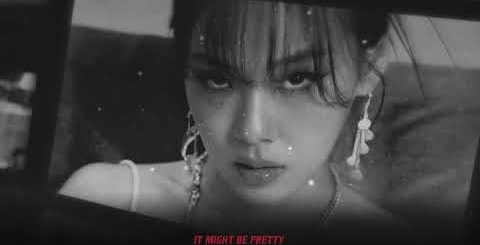
BIBI Vengeance by Bibi Lyrics Meaning – Unveiling the Anthem of a Scorned Heart
Lyrics
눈을 깔아 왜
비밀로 할게
네 부정과 죄
전부 드러내
자릴 넘보네
눈감아 줄게
네 본성과 뇌
춤추는 저 장미를 꺾어
완성한 왕관 나의 것
다시는 얼씬 못하게
가시를 친 성관
Watch me dance
Watch me sing
여기까진 놓아줄게, 도망가 얼른
Watch me dance
Watch me sing
다신 붙잡히지 마
그땐 보게 되는 거야 나쁜 년
나쁜 년, 아주 그냥 나쁜 년
나쁜 년, 아주 그냥 나쁜 년
나쁜 년, 아주 그냥 나쁜 년
다신 붙잡히지 마
그땐 보게 되는 거야, 미친년
I got mercy, I got grace
Desperado with the scales
Throw a rose on your body
Mask of Zorro, I’m so wanted
그러 쥐어 나를 꺾어
상처가 남은 손을 적셔
Look scared 안아 너를 보듬어 주지
술로 씻어 죄를 사하여주지
Watch me dance
Watch me sing
여기까진 놓아줄게, 도망가 얼른
Watch me dance
Watch me sing
다신 붙잡히지 마
그땐 보게 되는 거야, 나쁜 년
나쁜 년, 아주 그냥 나쁜 년
나쁜 년, 아주 그냥 나쁜 년
나쁜 년, 아주 그냥 나쁜 년
다신 붙잡히지 마
그땐 보게 되는 거야, 미친년
어떤 짓을 했건 말을 하건 후횔 하건 상관없어
난 나를 무너뜨려 날 즈려밟은 너를 용서했어
마지막 기횔 져버렸다니 참 안됐어
기다려왔어, 기대해 왔어, 이제 나쁜 년
나쁜 년, 아주 그냥 나쁜 년
나쁜 년, 아주 그냥 나쁜 년
나쁜 년, 아주 그냥 나쁜 년
다신 붙잡히지 마
그땐 보게 되는 거야, 미친년 (hoo)
In a remarkable exposition of emotional catharsis, Bibi’s ‘BIBI Vengeance’ stands tall as a towering testament to the age-old narrative of betrayal and retribution. This exploration is not merely about the song’s lyrics but about harnessing a deeper understanding of the raw humanity that pulsates through its veins.
Bibi, a multifaceted artist known for her uncanny ability to blend genres and evoke visceral responses, employs her signature alchemy of sounds and words in this soul-stirring piece. It’s not just the melody that haunts you, it’s the tale of pain, strength, and empowerment that lingers long after the track ends.
The Crown of Wilted Roses: Divining Bibi’s Symbolism
The song opens with an invitation to confront one’s sins and to bear witness to undiluted truth. Bibi’s usage of ‘장미'(rose) and ‘왕관'(crown) is steeped in symbolism—an allegorical depiction of beauty ravaged and the ascent to power through the thorns of life’s trials.
The crown she claims is not only a symbol of victory and self-actualization, but it’s also a warning. In her garden, the roses dance, and she’s not afraid to pluck them, signifying her readiness to uproot what was once pleasing to gaze upon but is now a symbol of her sorrow.
The Dance and Sing Dichotomy: A Performance of Defiance
Through the repetitive mantra of ‘Watch me dance, Watch me sing,’ Bibi constructs an unyielding front. It is as if her performance is both her armor and her sword, a means to detract and to attack, a duality that protects her vulnerability while exposing her adversaries’ weaknesses.
This act of rebellion and showcase of strength is deeply rooted in the freedom of expression, which in itself is a form of vengeance. There’s a challenge posed to those who have wronged her — watch and witness the spectacle that is her resurgence and her reclamation of identity.
A Delve into the Depths: The Hidden Meaning Behind the Lyrics
At a glance, the song may seem to play as a symphony of revenge, but the true essence lies in its advocacy for self-forgiveness and the purging of past tribulations. ‘I got mercy, I got grace’ Bibi declares, paradoxically intertwining the themes of mercy and the reckoning that follows a desperado’s journey.
The mask of Zorro, an iconic symbol of justice and retribution, finds its way into Bibi’s narrative, emphasizing her role not only as the bearer of vengeance but also the harbinger of her own salvation. This juxtaposition is a clever nod to the complexities of human nature in the face of hardship.
The Power and the Pain: Embracing the Role of ‘나쁜 년’ (Bad Girl)
Repeatedly branding herself as the ‘나쁜 년,’ Bibi reclaims the words meant to undermine her. It’s an audacious claiming of space—a redefinition of the term that was perhaps once used to belittle her. In taking ownership of the title ‘bad girl,’ she subverts the narrative, refusing to be shamed into silence.
This line of self-acceptance and the embracing of one’s flaws as a form of empowerment are particularly potent. Bibi does not shy away from the darkness within; instead, she shapes it into an unapologetic declaration of her complex identity.
Memorable Lines That Etch into the Soul
An echelon of poignant lyrics rung throughout this piece: ‘Throw a rose on your body’ evokes the imagery of a conflicted eulogy, an ode to the end of an era defined by pain. And in ‘Look scared 안아 너를 보듬어 주지,’ there’s a tortured tinge of irony, as if comfort comes laced with the bitter sting of betrayal.
These lines are not merely words but wounds presented as verses, each a stitch in the tapestry of vindication. Bibi has not only delivered an anthem for those wronged but has provided a language for the inexpressible nuances of cutting ties to grapple forward into unbridled freedom.