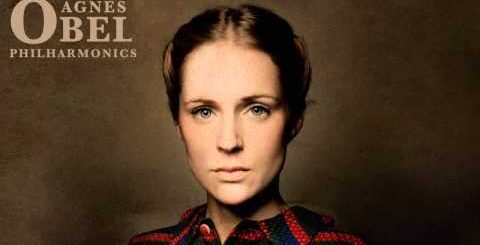
Brother Sparrow by Agnes Obel Lyrics Meaning – Unraveling the Elegance of Melancholic Metaphors
Lyrics
Footsteps on the concrete
Guess I hear just every sound
On the ground
From my window view
I know a color blue
That can bite so very hard
The day apart
Picture fresh as water clear
Days have passed without you here
Street lights dancing on the dark
Across the park
Waiting for a word from you
Waiting for a sign or two
Footsteps on the city ground
You know the sound
Brother Sparrow, whoa-oh-oh-oh
Come tomorrow, whoa-oh-oh-oh
To my window, whoa-oh-oh-oh
Brother Sparrow, whoa-oh-oh-oh
Come tomorrow, whoa-oh-oh-oh
To my window, whoa-oh-oh-oh
Agnes Obel’s ‘Brother Sparrow’ resonates with a rare and profound simplicity that is trademark of the Danish singer’s evocative storytelling. Through her keen sense of melody and heartfelt lyrics, Obel crafts a universe within the confines of a song that invites listeners to explore layers of emotional depth.
Striking piano chords lay the foundation over which the song’s narrative builds, a structure both delicate and robust enough to carry the weight of its metaphorical significance. The song’s ambiance is a haunting mix of introspection and subtle observation, an acoustic mirror reflecting the complexities of longing and connection.
The Call of Loneliness and Expectation
Listening to ‘Brother Sparrow’, one can almost feel the wintry air breeze through the notes, delivering a chill of isolation. Voices, footsteps—the mundane sounds of existence form the backdrop of Obel’s observations from her window view. The anticipation of news, the longing for a word brush against the skin of the lyrics with a soft, almost desperate yearning.
The repeated mention of footsteps and concrete seem to suggest a presence that is achingly absent. It cleverly implies that these sounds, so ordinary, are loaded with meaning for someone suspended in waiting, for whom every echo could herald a longed-for return—or reinforce the vacuum of silence.
Azure Hues of Heartache: Dissecting the Color Blue
Colors have long been used to convey emotions in art, and Obel skillfully employs the ‘color blue’ in her song. More than just a primary color, blue is evocative of the sadness that grips the heart; it is the ‘bite’ that severs day from night, joy from sorrow.
The color is also symbolically rich, suggesting an expanse—like the sky or sea—that separates, but also connects. In the spaces between Obel’s piano chords, one is engulfed by the blue of her melody—a hue of emotional depth that invites introspection.
Illuminating the Dark: The Interplay of Light and Shadow
Light dances, shadows play—an ethereal ballet performed across the expanse of a park. Obel’s imagery is vivid, a juxtaposition of the clarity of light with the opacity of shadows, much like the duality of hope and despair.
Symbolizing both presence and absence, the street lights could be seen as a metaphor for wavering faith or the fickleness of fate. They underscore the song’s theme of waiting and the uncertainty that flickers with the passing time.
‘Brother Sparrow’: The Hidden Meaning Behind an Avian Alias
When Obel ushers in ‘Brother Sparrow’—a reference loaded with significance—the song takes flight. The sparrow, a common bird, often represents humility or insignificance. Yet in the context of this song, Brother Sparrow seems to embody a messenger or a companion in loneliness.
Possibly a personified yearning for kinship, the term ‘brother’ adds layers of familiarity and compassion. It’s an appeal for closeness, a silent prayer that connection — just like the bird — will alight before her window once more.
Memorable Lines that Echo with Resonance
The delicate repetition of ‘whoa-oh-oh-oh’ harmonizes with a sense of enduring hope, a mantra-like incantation that binds the song’s elements. This melodic hook acts as both a lamentation and a beacon, a siren call to the eponymous Brother Sparrow.
‘To my window’ becomes a line imbued with significance, transforming the window from a barrier to a portal, from isolation to potential communion. It’s through this repeated invocation that Obel creates a stirring echo of longing that resonates well after the music fades.