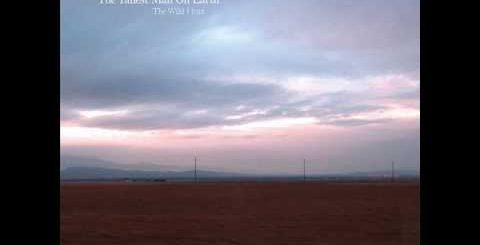
Burden of Tomorrow by Tallest Man On Earth Lyrics Meaning – The Quest for Self-Discovery in Folk Reverie
Lyrics
Where I was lost but left to trace
By carving riddles on the lonesome vine.
Oh but rumor has it that I wasn’t born,
I just walked in one frosty morn.
Into the vision of some vacant mind.
Oh once I held a pony by its flying mane,
And once I called the shadow in the turning game
But I will fight this stranger that you should fear
So I won’t be a burden of tomorrow dear
Aw Xavier’s on the border of the sun
Swings on the chambers of your guns.
And tries to shoot the chord and light the path.
Aw but hell I’m just a blind man on the plains,
I drink my water when it rains,
And live by chance among the lightning strikes.
Oh once I held a glacier to an open flame
And once I felt like wildcat in the fallen game.
But I will fight this stranger that you should fear
So I won’t be a burden of tomorrow dear.
Oh the singers on the edge to feed the canyons mouth
They will go on forever til they sing you out of time.
But I will fight this stranger that you should fear
So I won’t be a burden of tomorrow dear.
Within the haunting melody and poetic imagery of Tallest Man On Earth’s ‘Burden of Tomorrow,’ there lies a narrative of self-discovery and the will to transcend. Folk music, with its raw storytelling power, has always offered sanctuary for souls seeking meaning, and Tallest Man On Earth — the moniker of Swedish singer-songwriter Kristian Matsson — contributes profoundly to this tradition.
Through ‘Burden of Tomorrow,’ Matsson weaves an intricate tapestry of self-reflection, using nature and mythic symbolism to probe at the deepest questions of existence. His raspy voice serves as a guide through a journey both metaphorical and deeply personal, resonating with any listener who has ever sought to stand unburdened by the anxieties of what is yet to come.
A Sojourn in Metaphor: Unraveling the Vines of Allegory
The song’s opening verse catapults us into a realm of myth and allegory, as Matsson describes being ‘sent to find the lonesome place / Where I was lost but left to trace.’ The reference to ‘carving riddles on the lonesome vine’ not only conjures images of an individual marking their journey but also suggests a Sisyphean task of finding meaning in solitude.
The ‘lonesome vine’ is a recurring motif throughout folk narratives and can symbolize both the growth in isolation and the intricate pathways to one’s own psyche. Matsson’s artful use of allegory demands the listener’s engagement, inviting them to decode the enigma of his internal world.
Mythical Undertones and the Rebirth of Identity
In a mesmerizing blend of folklore and personal revelation, the line ‘Oh but rumor has it that I wasn’t born, / I just walked in one frosty morn’ strips Matsson’s entry into life from the physical to the spectral. This presentation of birth as rumor and spectral wandering gives the song a timeless, ethereal quality, underscoring the notion that our essence is defined not just by physical birth but by our journey through life and the impressions we leave.
The ‘vacant mind’ becomes not a sign of emptiness but a canvas for creation, a fresh start from which to craft one’s own destiny unhampered by a prescribed past or inherited burdens.
Harnessing the Power of Nature’s Wild Cadence
Vividly, ‘Burden of Tomorrow’ presents nature not only as a backdrop but also as a character in its own right. Metaphors such as ‘held a pony by its flying mane’ and ‘felt like wildcat in the fallen game’ showcase a kinetic energy. They are declarations of actively engaging with the unruly and unpredictable aspects of existence.
Matsson’s communion with the elements – water, fire, animals – is a testament to facing life’s adversities with vigor. Nature is not just scenery; it is an active participant in the narrative of self-discovery and an analogy for life’s untamed challenges.
Facing the Stranger Within: The Song’s Hidden Meaning
At the song’s emotional core is the resolve ‘I will fight this stranger that you should fear / So I won’t be a burden of tomorrow dear.’ This stranger is not an outsider but an internal adversary – doubt, fear, the aspects of self that threaten to hinder progress. Matsson sets forth a battle cry against the internal voices that forebode a burdened future, promising a confrontation that is as much about overcoming as it is about understanding.
The ‘stranger’ thus becomes a symbolic antagonist in one’s own narrative, the echo of tomorrow’s potential woes that Matsson is determined to silence. It is a deeply personal fight, yet universally understood – the classic human struggle against the inner demons that threaten our peace and potential.
Memorable Lines: Echoes of Timelessness in Lyricism
‘Aw Xavier’s on the border of the sun / Swings on the chambers of your guns…’ continues the tapestry of poetic imagery. Here, the character Xavier personifies the edge of enlightenment, aiming to ignite a path forward even when faced with weapons of destruction. This line is one of many that linger long after the song has ended, underpinning the eternal conflict between light and darkness, hope and fear.
Songs like ‘Burden of Tomorrow’ resonate because their lines are not disposable phrases; they are carefully crafted poetry, meant to endure. Each resonates with the weight of lived experience, every word chosen to convey the complex layers of the artist’s emotional landscape. In an era where the transient often overshadows the substantial, Matsson’s songwriting stands out as a testament to the enduring power of thoughtful, soul-stirring lyricism.