Can You See Me by Jimi Hendrix Lyrics Meaning – Unveiling the Psychedelic Inquiry
Lyrics
Whoa yeah
Can you see me, baby,
Baby, please don’t leave.
Yeah, if you can see me doing that you can see in the future of a thousand years.
Can you hear me crying all over town?
Wo yeh.
Can you hear me, baby, crying ‘cos you put me down?
If you can hear me doing that you can hear a freight train coming from a thousand miles.
Can you hear me singing this song to you?
(Oh, you gotta listen to me, baby)
Can you hear me, baby, singing this song to you?
If you can hear me sing you better come home like you s’posed to.
Can you hear me?
Hey, hey.
I don’t believe you can hear me,
Wo yeah.
Can you see me, baby.
I don’t believe you can.
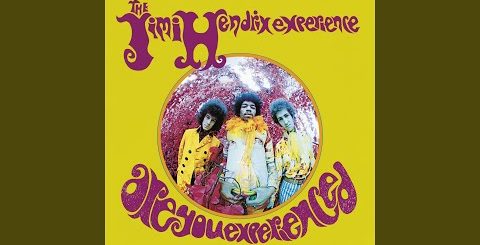
In the catalog of Jimi Hendrix’s electrifying masterpieces, ‘Can You See Me’ often reverberates with a cry for visibility amid the hallucinogenic tapestry of the sixties. The song, nestled in the iconic ‘Are You Experienced’ album, serves as a testament to the artist’s genius, binding raw emotional energy with the psychedelic rock revolution of the era.
To dissect ‘Can You See Me’ is to embark on a journey into the depths of Hendrix’s soulful pleas and their broader societal implications. The lyrics, at first glance, seem to reflect a personal narrative, yet upon closer examination, they unravel layers of connection, alienation, and existential yearning that transcend mere romantic woes.
Stripped Bare: The Vulnerability Anthem of a Guitar God
Hendrix, known for his guitar-wielding prowess, strips down his armor in ‘Can You See Me,’ leaving listeners exposed to the brittle human beneath the legend. The repetition of the titular question is less of an interrogation and more of a fragile outcry—a universal human need to be acknowledged and understood by those we yearn for.
This vulnerability resonates throughout the song, echoed in the pleading “Wo yeah” that follows each question. The stark simplicity of the lyrics is a sharp contrast to the complexity of Hendrix’s guitar work, creating a poignant juxtaposition that is at once relatable and artistically profound.
The Cry for Presence in an Era of Dissidence
Set against the backdrop of the tumultuous sixties, ‘Can You See Me’ resonates as an anthem of presence. Beyond its potential romantic connotations, it speaks to the era’s larger outcry for recognition amidst civil unrest, war protests, and the birth of counterculture.
Hendrix’s use of ‘seeing’ and ‘hearing’ invokes the senses to implore a deeper form of attention and awareness. It’s not just a personal plea; it’s a demand for society to open its eyes and ears to the ignored and marginalized voices of the time.
The Future Echoing Back: A Prophetic Dimension
Hendrix’s prophetic “if you can see me doing that you can see in the future of a thousand years” suggests an enduring relevance to the struggle of feeling unseen. It implies a cyclical nature to the issues Hendrix alludes to, predicting their persistence long past his own era.
The idea of futuristic sight paired with the blues-tinged cries throughout the song creates a timelessness that only reinforces the raw urgency in each of Hendrix’s sentiments. It’s as though the song serves as a sonic timeline, where past, present, and future emotions are simultaneously felt and explored.
From Love’s Despair to Social Commentary – The Hidden Meaning
While on the surface, ‘Can You See Me’ seems to be another notch in the bedpost of love songs, its roots dig deeper. The demanding nature of its questions, the lament of being ‘put down’—these elements transcend personal heartbreak and align more pointedly with themes of social injustice and the longing to be valued within the fabric of society.
The song’s visceral emotional cry, therefore, is not just for the attention of a lover but for the gaze of a world in tumult—a world that Hendrix himself grappled with both publicly and within the confines of his own celebrated yet misunderstood identity.
Eternal Lines: The Lines That Captivate Generations
One cannot discuss ‘Can You See Me’ without highlighting its most penetrating lines, embodying the essence of the song’s plea. The repeated “Can you see me, baby? Baby, please don’t leave” fastens tightly to the soul, a line that is both a personal invocation and a universal human fear of abandonment.
Then there’s the haunting “If you can hear me sing you better come home like you s’posed to,” which marries a romantic bewilderment with an authoritative command. It is desperate yet strong, a dual sentiment that has captivated and resonated with audiences for decades.