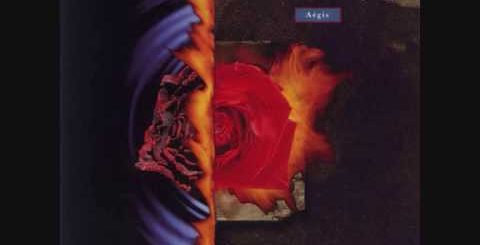
Cassandra by Theatre of Tragedy Lyrics Meaning – Unraveling the Lyrical Labyrinth of Fate and Forewarning
Lyrics
She hath no life but the one he for her wrought;
Proffer’d to her his wauking heart, she turn’d it down,
Riposted with a tell-tale lore of lies and scorn.
Prophetess or fond?,
Tho’ her parle of truth:
“I ken to-morrow, refell me if ye can!”,
Yet the kiss and breath, Apollo’s bane
Sëer of the future, not of twain,
“Sicker!”, quoth Cassandra.
Still, is she lief and quaint in his eyne, a sight divine?
A mistress fuell’d by his prest haughtiness
If he did grant, wherefore then did he not foresee,
Belike egal as it to him might be?!
Prophetess or fond?,
Tho’ her parle of truth:
“I ken to-morrow, refell me if ye can!”,
Yet the kiss and breath, Apollo’s bane
Sëer of the future, not of twain,
“Sicker!”, quoth Cassandra.
‘Or was he an eried being,
‘Or was he weening – alack nay mo;
Her naysay’ raught his heart,
Her daffing was the grave of all hope
She belied her own words,
He thought her life, save moreo’er scourge,
She held him august, yet wee;
He left her ne’er without his heart.
In the realm of darkly romantic music, few songs encapsulate the intricate dance between destiny and desire quite like Theatre of Tragedy’s ‘Cassandra’. At its core, the song is a poetic exploration of the mythical figure Cassandra, cursed to utter true prophecies that are never believed. But to assume the song’s scope is limited to an ancient tale would be an oversight. It’s a sonic tapestry rich with allegory and emotion, woven by the Norwegian band known for their gothic-metal ethos.
As we delve deeper into the lyrics, ‘Cassandra’ reveals itself to be both a ballad of unrequited love and a tale of tragic premonition. It’s a piece where the musical layers serve as a backdrop to a dramatic narrative that speaks volumes about human nature and the paradoxes that entangle us.
An Ode to the Unheard Prophetess
The character of Cassandra, a seer doomed by the Greek god Apollo to be disbelieved, symbolizes the agony of unheeded warnings. With haunting clarity, Theatre of Tragedy paints Cassandra not only as a figure of mythology but as a metaphor for the plight of those whose truths are too inconvenient or terrifying to be acknowledged. The song’s refrain ‘Prophetess or fond,’ juxtaposes the wisdom of Cassandra’s insights with her dismissal as foolish or enamored, encapsulating a profound sense of irony.
This duality reflects the human condition itself – our tendency to reject uncomfortable realities and shoot the messenger who brings them. Through powerful gothic melodies and emotive lyrics, the band invites us into a reflection on credibility, reputation, and the often-painful consequences of speaking out in a world that prefers silence.
Deciphering the Cryptic Courtship
The entangled relationship between Cassandra and her admirer, who could be seen as Apollo himself or perhaps a mortal man, serves as the heartache-infused thread that runs through the song. ‘He gave to her, yet tenfold claim’d in return’ speaks to the imbalance of their affections, the tragedy of giving love without reciprocation, a dynamic as old as time yet ever-fresh in its immediacy.
In offering his ‘wauking heart’ only to have it denied, the suitor finds himself ensnared in the paradox of desiring someone who is fundamentally unreachable – both emotionally and prophetically. As the intensity of the gothic composition underscores the fervent declarations of love, the listener is immersed in a haunting narrative of yearning and the futility it brings.
The Veiled Betrayal and the Bane of Apollo
One of the song’s most gripping elements lies within the narrative twist – Cassandra’s own betrayal. When she ‘belied her own words,’ despite her prophetic gifts, it serves as a warning about the self-defeating nature of denying one’s own truths for the sake of pride or fear. Here, we witness her downfall entwined with Apollo’s bane – the curse that her prophecies will never be believed, making her knowledge a torturous gift.
The poignant vexation that even a prophetess is subject to fallibilities resonates through the band’s lyrical storytelling, laced with Norse fatalism and elegiac melodies. This betrayal is not just a plot point; it’s a commentary on human willingness to ignore even the most undeniable of truths when they come from a source that has fallen from grace.
Unveiling the Song’s Hidden Meaning of Foregone Conclusions
Peeling back the layers of ‘Cassandra,’ we uncover a broader message – the futility of knowing the future if such knowledge cannot change the present. ‘Sëer of the future, not of twain,’ highlights the isolation that stems from Cassandra’s unique burden. This line not only reinforces her personal tragedy but also reflects modern existential angst – the despair in recognizing the trajectory of events without the power to alter their course.
Theatre of Tragedy, with their gothic-metal undertones, speaks to a very human fear: What worth is foresight in the face of inevitability? In a world rife with information yet plagued by inaction, the song becomes a metaphor for our collective paralysis in the face of foreseeable disasters, be it in climate, politics, or personal relationships.
Eternal Echoes of Memorable Lines
Throughout ‘Cassandra’, Theatre of Tragedy employs lyrical prowess to ensnare listeners in a web of enduring verses. ‘Yet the kiss and breath, Apollo’s bane’ reverberates with the sense of a profound curse – love’s entwinement with pain. This haunting line, rich in mythological reference, captures the essence of the somber narrative.
Further cementing its place in haunting infamy, ‘Her daffing was the grave of all hope’ alludes to the notion of playfulness as a harbinger of doom. Between the lyric’s eloquence and the song’s atmospheric composition, these words linger long after the last notes fade, testament to the band’s ability to marry darkly beautiful music with contemplative poetry.