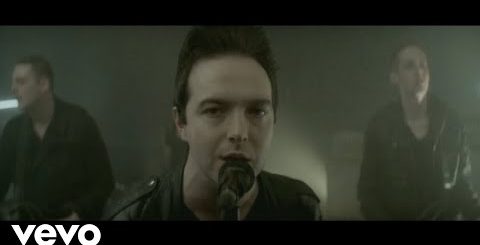
Daddy’s Gone by Glasvegas Lyrics Meaning – The Heartbreak of Absentee Fathers
Lyrics
How your never here though
Remember times when you put me on your shoulders
How I wish it was forever you would hold us
Right now I’m too young to know
How in the future it will affect me when you go
You could have had it all
You, me, and mum you know
Anything was possible
I wont be the lonely one
Sitting on my own and sad
A fifty year old
Reminiscing what I had
I wont be the lonely one
Sitting on my own and sad
Forget your dad, he’s gone
All I wanted was a kick-a-bout in the park
For you to race me home when it was nearly getting dark
How I could’ve been yours, and you be mine
It could’ve been me and you until the end of time
Do what you want, when you want
Be as fucking insincere as you can
What kind of way is that to treat your wife
To see your son on Saturdays
What way is that to live your life?
I wont be the lonely one
Sitting on my own and sad
A fifty year old
Reminiscing what I had
I wont be the lonely one
Sitting on my own and sad
Forget your dad, he’s gone
Glasvegas, a Scottish indie rock band, captured the raw emotion and the universal ache of abandonment in their soul-stirring ballad ‘Daddy’s Gone’. A poignant narrative painting melancholy strokes on the canvas of modern indie music, the song delves deep into the caverns of absent parenthood and its long-lasting implications.
With its evocative lyricism and haunting melodies, ‘Daddy’s Gone’ is a powerful reflection on loss, love, and the irreversible passing of time. Exploring the very core of the track’s essence will perhaps convey more than merely the surface sorrow, but the intricate layers of emotional resonance beheld within its verses.
Echoes of Youth: Longing for the Past
The song taps into a primal sense of nostalgia and longing for the idyllic snapshots of childhood – the ‘kick-a-bout in the park’ and being carried ‘on your shoulders’. These descriptively simple actions carry the weight of shared parental moments that are universally relatable, defining and yet so often lost.
These echoes of the past serve as a stark contrast to the isolation and the ‘lonely one’ feared in adulthood. Through their music, Glasvegas masterfully weaves the tapestry of time, emphasizing the depth of impact these early experiences, or their absence, impress on one’s life.
Navigating Future Loneliness: A Vow Against Despair
In a defiant refusal to succumb to lasting sadness, the protagonist boldly claims that they ‘won’t be the lonely one’. It underlines an assertion of control and resilience in the face of paternal abandonment – a decision to not let the absence define one’s emotional state or future.
The recurring affirmation throughout the lyrics acts as a mantra for strength, a shield against the bleak prophesy of loneliness, while simultaneously revealing the underlying fear of it being an unavoidable destiny.
Unveiling the Hidden Meaning: A Wider Commentary on Familial Breakdown
Beyond the individual story, ‘Daddy’s Gone’ has a broader sociocultural meaning – it is a lamentation on the breakdown of the traditional family unit. The father’s departure and the consequent ripple effects allude to the societal issue of absentee parents and the often dysfunctional homes they leave behind.
Glasvegas doesn’t shy away from showcasing the gritty reality of fractured relationships, the resentment towards insincerity in familial bonds, and the all-too-common weekend visits that replace full-time parenting. The song thus becomes not just a personal outpour, but a social commentary.
Resonant Phrases: The Lyrical Anchors of Memory
Certain lines in ‘Daddy’s Gone’ anchor the themes and emotions of the song firmly in the listener’s mind. ‘You could have had it all / You, me, and mum you know / Anything was possible’ exudes the heartache of potential unfulfilled, a future that will never be realized.
The biting delivery of ‘What kind of way is that to treat your wife / To see your son on Saturdays’ captures the angst and accusatory tone towards the father, indicting him not just for his absence, but for his casual treatment of it.
The Final Cut: ‘Forget your dad, he’s gone’
The repeated line ‘Forget your dad, he’s gone’ serves as a cold, hard refrain that pierces through the softer memories with the brutal truth of abandonment. It’s a message of closure and moving forward but bears the heaviness of relinquished hope and a connection severed.
The lyric underscores the induced maturity foisted upon the child; they must now navigate life’s complexities without their father, pushed ahead by the song’s narrative to acknowledge the absence and adopt a grim acceptance of it.