
Days by The Drums Lyrics Meaning – Unraveling the Strains of Visceral Independence
Lyrics
And I never needed you
And our days go by
And I never needed you
And I worked so hard
And I killed myself
And you broke my bones
And I sold my soul
But now days go by
And I never needed you
But now days go by
And I never needed you, ooh-ooh
And I could have been your mother
And I could have been your sister (ooh-ooh)
Be your (ooh-ooh) twin brother (ooh-ooh)
I just wanted to be (ooh-ooh), wanted to be
And our days go by
And I never needed you
But now days go by
And I never needed you, ooh-ooh
We were just wasting time
We were just wasting time
We were just wasting time
We were just wasting time
We were just wasting time
We were just wasting time
And our days go by
And I never needed you
But now days go by
And I never needed you
But now days go by
And I never needed you
But now days go by
And I never needed you
Ooh-ooh, ooh-ooh
Ooh-ooh, ooh-ooh
Ooh-ooh, ooh-ooh
Ooh-ooh, ooh-ooh
Ooh-ooh, ooh-ooh
Ooh-ooh, ooh-ooh
Ooh-ooh, ooh-ooh
Ooh-ooh, ooh-ooh
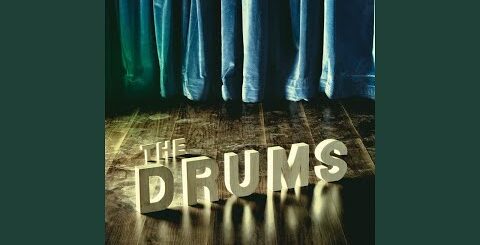
The Drums, known for their beach-tinged indie rock, captures a raw nerve of human emotion in their song ‘Days.’ The seemingly simple repetition of lyrics belies a complex heartache, one that speaks to the inexorable passing of time and the intricate relationship between dependence, freedom, and identity.
As we delve into the depths of the song’s meaning, the minimalist nature of the lyrics allows listeners to project their personal narratives onto the canvas that The Drums provide. This projection becomes the song’s true essence, a space where reluctant independence and emotional ambivalence play out against the backdrop of haunting melodies.
The Paradox of Self-reliance: A Chilling Confession
At face value, ‘Days’ could be mistaken for a triumph of self-sufficiency, with the reiterated statement ‘I never needed you.’ However, what emerges is a portrait of subjacency masked as independence. The raw repetition signals a mantra, not of conviction, but one of desperate affirmation, a chant to convince oneself in the absence of a once-crucial counterpart.
This chant, coiled with the melancholic melody, points to the struggle of the persona as they come to terms with the solitude that comes from separating from one’s past dependencies. It’s a chilling admission of the cost of self-reliance, an existential ledger balancing autonomy with the loneliness it incurs.
The Relentless March of Time and Lost Potentials
The phrase ‘And our days go by’ isn’t just a refrain; it’s a meditation on the inexorable passing of time. Each recitation is a wave eroding the foundations of past relationships, love, and what could have been—a motif that conjures lost potential and the paths not taken.
As the persona contemplates the various roles they could have played in another’s life—a mother, a sister, a twin brother—there’s a profound sense of existential mourning for the bonds that will never be. This undercurrent of ‘what if’ flavors the song with a bittersweet pang of unexplored lives and unmet connections.
Sacrifice and Self-harm: The Toll of Togetherness
The haunting admission ‘And I worked so hard/And I killed myself/And you broke my bones/And I sold my soul’ lays bare the self-destructive nature of toxic kinship. The persona reflects on the physical and emotional toll that such a relationship took on their well-being, an aching reminder of the sacrifices too often made in the name of closeness.
These vividly violent expressions demonstrate the extremes to which one might go to maintain a connection, only to end up hollowed out in the service of a futile togetherness. It’s a dark tribute to the resilience of human spirit in face of relational hardship, and the somber awakening to the need to escape such bonds.
Hidden in Plain Sight: ‘Days’ as an Anthem of Autonomy
Despite its melancholic overtones, ‘Days’ carries a subtle undercurrent of empowerment. Beyond the initial impressions of yearning and regrettable detachment lies a celebration of autonomy waiting to be acknowledged. As the song progresses, the declarations of independence grow firmer, the self-doubt retreats, revealing an anthem of self-liberation.
While the lyrics speak of not needing the other, the song itself becomes a vehicle for the protagonist to understand and embrace their capacity to stand alone. In this light, ‘Days’ transforms from a confession of angst into a declaration of resilience, making it an anthem for anyone summoning the strength to walk alone.
Falsetto Whispers and Wasted Time: The Song’s Most Piercing Verses
The chorus, ‘We were just wasting time’ echoes with the ghostly falsetto harmonies that The Drums masterfully inject throughout the track. These brooding harmonies exemplify the song’s motif of wasted effort, an unflinchingly honest dissection of futility in the stagnancy of a relationship gone by.
This haunting refrain strips away any romanticism from the notion of a ‘lost love,’ instead framing time spent as mere diversion, an evanescence that leaves behind a void instead of preserving cherished memories. Coupled with the simplicity of the song’s music, it underscores the rawness of the message—a stark illumination of time’s merciless flow and the preciousness squandered in its passage.




Thinking in terms of psychological Attachment Style Theory, it sounds to me like someone who was dumped by an avoidant (dismissive or fearful) personality. There was superb connection, there was sincerity, there was promise, which gave rise to certainty, but then one day, the avoidant simply pulls away or even ghosts, as is their nature.