Deadwood by Dirty Pretty Things Lyrics Meaning – Decoding the Anthemic Cry for Authenticity in a Superficial World
Lyrics
This all you make it?
You had the choice lad
You wouldnt take it
The oldest charm
Only the best for you
And the years of my life,
Some they were so good,
But now and again I feel
I was a coward
Are the holes in my soul
In tatters for all these tears
Well you dont see it that way
A way, a way
We’lll have it today
The dancing ones they really mean it
But something boy,
somethings gonna change
A way, a way
Youve got it they say
How do they know
When theyve never seen it?
And what will you do
When they forget your name?
Well you’ll up and get another one
Don’t give me that face
I know when I should live in disgrace
Not dig up the deadwood
I knew this place was never the place for me
And of the years that rolled by
Yeah some were so good
But now I know that
You were the coward
The holes in your soul
In tatters for all these years
But you cant see it that way
A way, a way
Well have it today
The dancing ones they really mean it
And mark my words
Something’s gonna change
A way, a way
Youve got it they say
But how do they know
When theyve never seen it?
And what will you do
When they forget your name?
Well you’ll up and get another one
A way, a way
We’ll have it today
The dancing ones they really mean it
But something boy
somethings gonna change
A way, a way
Youve got it today
But how do they know
When theyve never seen it?
And what will you do
When they forget your name?
Well you’ll up and get another one
By Gumo® Montevideo-Uruguay
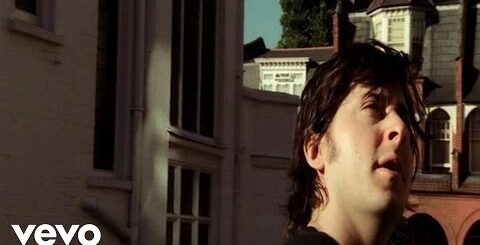
Among the myriad of tracks crafted by post-punk revivalists Dirty Pretty Things, ‘Deadwood’ stands out as a scathing critique of complacency and the facade of success in modern society. Frontman Carl Barât, previously co-pilot of the Libertines, brings his trademark poetic brusqueness to a song that foils the glamor of the limelight with the stark nakedness of authenticity.
In ‘Deadwood,’ the veneer of making it big is peeled away to reveal the emptiness that can accompany public acclaim. With its irresistibly catchy guitar hooks and a chorus that begs to be chanted along to, the song’s lively exterior houses a much deeper introspection on personal value, genuine accomplishment, and the human condition. Let us delve deeper into the rich tapestry of ‘Deadwood’s lyrics, uncovering hidden meanings and powerful assertions of individuality.
Confronting the Façade of Choice and Success
The opening lines of ‘Deadwood’ seize upon a narrative of a life half-lived, a confrontation with the decisions, or lack thereof, that lead to a sense of unfulfillment. Barât’s coarse voice serves as a wake-up call, jolting the listener into an acknowledgment of their complacency. The mention of a world made by the protagonist alludes to a preconceived notion of control, yet the subsequent scorn suggests a failure to truly seize life’s reins.
There’s a dissection of privilege here too—the ‘choice lad’ indicative of opportunities that go ignored. The mention of ‘the oldest charm’ evokes a sense of traditional expectations, perhaps societal pressures to adhere to a prescribed path rather than forging one’s destiny.
The Wounds of Cowardice and Compromise
In a vulnerable moment, the song touches on the torment of reflecting on a past filled with avoidance and retreat. ‘Deadwood’ is not just about societal failings but personal ones—’the holes in my soul / In tatters for all these tears’ speaks to a deep remorse, a recognition that emulation of passion is no substitute for the real thing.
The courage to be true to oneself is addressed with heartbreaking clarity. The word ‘coward’ doesn’t just resonate as an accusation but as a poignant admittance of internal struggle. The scars of self-compromise are laid bare, prompting listeners to examine their life choices.
The Inevitability of Change and Public Perception
Threads of cynicism weave through the chorus, challenging the very notion of having ‘made it.’ How can onlookers judge success without intimate knowledge of its substance? Barât questions the fleeting nature of fame with ‘And what will you do / When they forget your name?’ suggesting that external validation is a fragile foundation for self-worth.
This part of the song seems to forewarn of the changing tides of public opinion, hinting at the transient nature of recognition. For an artist like Barât, who has seen the apex of popularity with his former band, this contemplation is both genuine and prophetic.
Memorable Lines That Cut Through the Noise
Among the song’s lyrics, some stand out for their piercing truth. ‘Not dig up the deadwood’ is a particularly evocative phrase, dismissing the allure of dwelling on what’s past and lifeless, be it a former self or obsolete ideals. It’s a gritty renunciation of stagnation, a pledge to move forward, unrestrained by prior failures or expectations.
Another compelling line is ‘The dancing ones they really mean it,’ a barb perhaps aimed at the performative nature of society. The ‘dancing ones’ might symbolize those who embrace life’s rhythm authentically, as opposed to the staggering gait of one lumbered with deadwood.
The Unspoken Odyssey; The Song’s Hidden Narrative
Beyond the explicit cynicism and the rallying cries for authenticity, ‘Deadwood’ swims in deeper waters still. It’s a song with a hidden road map for an odyssey of the self—a journey from naivety through disenchantment and finally, to self-liberation.
The genius of Dirty Pretty Things lies in their ability to straddle fierce social commentary with a deeply personal outcry. As the closing strains of ‘Deadwood’ echo away, the listener is left to ponder their path—what deadwood they carry, and what it might mean to let it go.