Digging the Grave by Faith No More Lyrics Meaning – Unearthing the Depths of Human Consciousness
Lyrics
Because I know what goes inside
Is only half of what comes out
Isn’t that what it’s about ?
To remind us we’re alive
To remind us we’re not blind
In that big, black hole
Comfortable
Digging the grave, I got it made
Let something in, or throw something out ?
You left the door open wide
I know you have a reason why
That knot is better left untied
I just went and undid mine
It takes some time
And the shadows so big
It takes the sun out of the day
And the feeling goes away
If you close the door
Comfortable
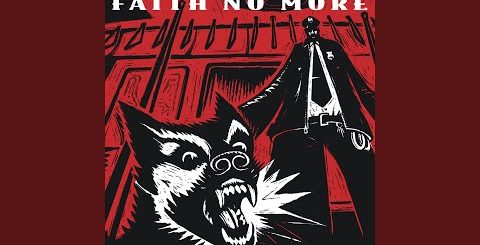
Faith No More’s enigmatic track ‘Digging the Grave’ stands as a sonic monolith, a testament to the band’s ability to intertwine pulsating melodies with profound lyrical introspection. Released in 1995 on their album ‘King for a Day… Fool for a Lifetime’, the song captures a period of transition and turmoil within the band. Yet, from this unrest arose a song with layers of meaning that continue to captivate listeners.
Much like sedimentary rock, ‘Digging the Grave’ consists of layers that divulge different stories upon every encounter. It’s a piece that dares to navigate the labyrinth of the human psyche, exploring the weight of our inner thoughts and the existential dread that sometimes accompanies self-awareness. This is no ordinary tune; it’s a cryptic manifesto on the human condition.
Unraveling the Gordian Knot of ‘Digging the Grave’
The song’s opening volley, ‘It would be wrong to ask you why / Because I know what goes inside / Is only half of what comes out,’ immediately dives into a philosophical quandary. The lyrics underscore the dichotomy between our internal motivations and the outward expressions of our actions – the notion that our inner workings are often opaque, even to ourselves. This ambiguity is something we all grapple with, a universal struggle that Faith No More adeptly puts to music.
Frontman Mike Patton delivers these lines with a biting sincerity, oozing a disenchantment that’s almost palpable. The ‘big, black hole’ he refers to is more than a mere vacuum; it’s a metaphor for the void within us all, the space where our fears and uncertainties reside. Comfort in this context becomes sinister, an easy surrender to the status quo that numbs our senses to life’s vibrant realities.
The Sisyphean Task of Existence: A Burial of Self-Denial
The chorus, ‘Digging the grave, I got it made,’ could be perceived as sarcastic bravado. Here, ‘digging the grave’ is a metaphor for the arduous work of confronting one’s own limitations and mortality while claiming to have ‘it made’ hints at the false sense of security and achievement. But the achievement here isn’t material; it’s a dark form of enlightenment wrought from acknowledging one’s eventual demise.
By embracing the macabre task of ‘digging the grave,’ the band compels the listener to recognize the absurdity of pretending we’re fine when the specter of death hovers so close. It’s a powerful reminder that life’s only certainty is its end – a truth that binds us and can, paradoxically, free us to live more fully.
A Door Ajar: Invitations to Understanding or Misunderstanding?
Patton’s haunting inquiry, ‘Let something in, or throw something out? You left the door open wide,’ speaks to vulnerability and choice. To let something in is to open oneself to new ideas and experiences, to risk being changed by the world. To throw something out is to expel what no longer serves us, an act of self-definition that can be as painful as it is necessary.
The open door becomes a symbol of potential – for growth or decay. The listener is left pondering the cost of vulnerability, of leaving oneself exposed to life’s indefatigable elements. It’s a choice that is as complex as it is unavoidable, for the act of living itself swings that door wide.
The Sun-Eclipsing Shadows of Regret and Resignation
In one of the song’s most powerful images, ‘And the shadows so big / It takes the sun out of the day,’ Patton articulates the overwhelming nature of regret. These shadows, overcast by past decisions or inaction, can darken our brightest moments, turning joy into melancholy, day into night.
The metaphor extends itself to the idea of resignation, the acceptance of a comfort zone where feelings ‘go away if you close the door.’ The act of shutting out the world is a defense mechanism, a way to evade the laborious challenges of growth and introspection. Yet, the song admonishes the listener against such retreat, advocating for openness and confrontation.
The Knot Unraveled: Echoes of Liberation
Perhaps the song’s most poignant revelation lies in the lyric, ‘I just went and undid mine.’ It’s a declaration of the decision to address rather than avoid the aforementioned ‘knot’ of confusion and complication that comprises life’s conundrums. It’s a testament to the courage required to engage with the messiness of existence.
Undoing the knot doesn’t promise a neat and tidy resolution; in fact, it may lead to a greater disarray. Yet, the act itself is liberating. It’s an acknowledgment that while life’s questions are often tangled, there is beauty and strength to be found in the attempt to disentangle them, to bring light into the darkness and to, ultimately, live with unflinching authenticity.