Disorder by Joy Division Lyrics Meaning – Unraveling the Post-Punk Enigma
Lyrics
Could these sensations make me feel the pleasures of a normal man?
Lose sensations, spare the insults, leave them for another day
I’ve got the spirit, lose the feeling
Take the shock away
It’s getting faster, moving faster now
It’s getting out of hand
On the tenth floor, down the back stairs
It’s a no man’s land
Lights are flashing, cars are crashing
Getting frequent now
I’ve got the spirit, lose the feeling
Let it out somehow
What means to you, what means to me
And we will meet again
I’m watching you, I’m watching
Oh I’ll take no pity from your friends
Who is right? Who can tell?
And who gives a damn right now?
Until the spirit new sensation takes hold
Then you know
Until the spirit new sensation takes hold
Then you know
Until the spirit new sensation takes hold
Then you know
I’ve got the spirit
But lose the feeling
I’ve got the spirit
But lose the feeling
Feeling, feeling, feeling, feeling, feeling, feeling, feeling
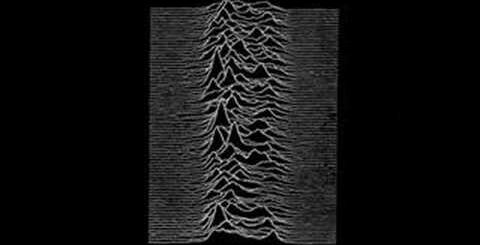
Emanating from the ashes of punk’s raw intensity, Joy Division’s ‘Disorder’ is a track that has captivated audiences and music aficionados since its release on the band’s seminal 1979 album ‘Unknown Pleasures’. The song poignantly encapsulates the zeitgeist of the post-punk era—a shift towards introspection and the profound search for meaning amidst chaos.
‘Disorder’ is not just an opening track; it is a doorway into the troubled psyche of Joy Division’s enigmatic lead singer, Ian Curtis. Its relentless beat and haunting lyrics reflect a soul wrestling with the intangible, striving for the impossible understanding of self amidst the dissonance of life. But what deeper meanings are etched within its brooding verses?
The Pulse of Unease: Beat as a Metaphor
The driving rhythm of ‘Disorder’ is more than just an infectious beat—it’s the lifeblood of the song’s narrative. Consistently escalating, the beat reflects the mounting pressure and speed at which life’s complications and uncertainties bombard the consciousness. It’s an auditory experience of the inner turmoil that whisks the listener away, not so much to the dancefloor, but into a mental maelstrom where finding footing is as elusive as grasping the wind.
As the tempo quickens, there’s an unshakable sense that keeping pace is tantamount to survival, yet simultaneously a battle one is not guaranteed to win. This inherent contradiction between the urge to overpower the ‘faster, moving faster’ condition of modern existence and the palpable risk of succumbing to it underpins the emotional resonance of ‘Disorder’.
Seeking Guidance in the Maze of Mental Conflict
The opening lines of ‘Disorder’ confront the listener with an immediate cry for direction, a longing for someone to take the lead through an obfuscated labyrinth of emotions. Curtis’s plaintive invocation for a ‘guide’ resonates with a universal human yearning—the quest for a beacon amid life’s disarray. It articulates a deep-seated desire to feel ‘the pleasures of a normal man,’ a line that is as much a plea for the simple as it is a yearning for the extraordinary.
Parsed through the filter of Curtis’s personal struggles—the ones that fans and critics alike have speculated upon for decades—these lyrics can be seen as a prophetic grappling with his own existential dilemma. ‘Disorder’ becomes not just a track to dissect, but an intimate glance at a soul in disquietude, searching for relief, for understanding, and ultimately, for peace.
Illuminating ‘No Man’s Land’: Navigating the Human Condition
Joy Division’s imagery, always stark and direct, shines a bleak light in ‘Disorder’. The ‘tenth floor’ and ‘back stairs’ serve as stark metaphors depicting the fringes of society and the recesses of the mind. Here, in the ‘no man’s land’, Curtis taps into a vein of universal alienation, exploring the places both within ourselves and in the urban sprawl that are habitually sidestepped yet deeply significant in shaping who we are.
As the ‘lights are flashing’ and ‘cars are crashing,’ we’re whisked into a world that is at once thrilling and perilous, an ode to the razor-thin line between reveling in the extremes of existence and being overcome by them. The electric tension that emanates from these vivid descriptions is palpable, accentuating the duality of life’s experiences as both fiercely invigorating and deeply disorienting.
Echoes of a ‘New Sensation’: The Song’s Hidden Meaning
What lies beneath the surface narrative of ‘Disorder’ is a profound allegory for transformation. A ‘new sensation’ repeatedly invoked at the song’s close is symbolic of an awakening or evolutionary step both for the individual and, more broadly, for society. This refrain becomes the clarion call for listeners to embrace a metamorphosis, to find amidst the white noise of disorder the pull towards something distinct, something transcendent.
There’s a cryptic, almost messianic quality to the promise of change, offering both allure and ambiguity. The song dares to suggest that even as we feel lost in the mire of confusion (‘lose the feeling’), there’s potential for a rebirth of the spirit—a redemptive emergence from chaos.
Memorable Lines That Linger: The Legacy of Curtis’s Lyrics
‘I’ve got the spirit, lose the feeling’—this juxtaposition is quintessentially Curtis and quintessentially Joy Division. It captures an ineffable slice of human experience; that instance of profound clarity or understanding, sharply contrasted by the numbing onslaught of life’s less tender touches. These words, simple in their construction but complex in their connotations, etch themselves into the psyche of the listener, resonating long after the last note fades.
‘Disorder’ with its indelible lines is a monument in music’s vast skyline, a lyrical landmark that transcends its own era. The enduring legacy of these words lies not just in their poetic grip, but in the raw, unvarnished honesty they deliver. In ‘Disorder,’ Joy Division captured a moment, a mood, and a message that continues to echo through time—resonating with each new generation that stumbles upon its haunting beauty.