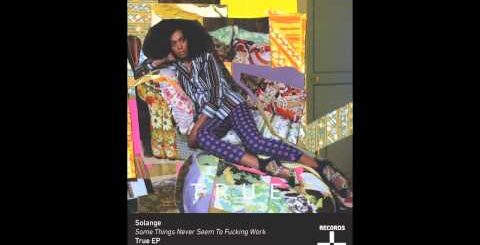
Don’t Touch My Hair by Solange Lyrics Meaning – Exploring Identity, Autonomy, and Resilience
Lyrics
When it’s the feelings I wear
Don’t touch my soul
When it’s the rhythm I know
Don’t touch my crown
They say the vision I’ve found
Don’t touch what’s there
When it’s the feelings I wear
They don’t understand
What it means to me
Where we chose to go
Where we’ve been to know
They don’t understand
What it means to me
Where we chose to go
Where we’ve been to know
You know this hair is my shit
Rolled the rod, I gave it time
But this here is mine
You know this hair is my shit
Rolled the rod, I gave it time
But this here is mine
What you say, oh?
What you say to me?
What you say to me?
What you say to me?
What you say to me?
What you say to me?
What you say to me?
What you say to me?
What you say to me?
Don’t touch my pride
They say the glory’s all mine
Don’t test my mouth
They say the truth is my sound
They don’t understand
What it means to me
Where we chose to go
Where we’ve been to know
They don’t understand
What it means to me
Where we chose to go
Where we’ve been to know
You know this hair is my shit
Rolled the rod, I gave it time
But this here is mine
You know this hair is my shit
Rolled the rod, I gave it time
But this here is mine (mine)
What you say, oh?
What you say to me?
What you say to me?
What you say to me? (To me)
What you say to me? (To me)
What you say to me? (To me)
What you say to me?
What you say to me?
What you say to me?
What you say to me?
What you say to me?
What you say to me?
What you say to me?
What you say to me?
What you say to me?
What you say to me?
What you say to me? (yeah)
What you say to me?
What you say to me?
What you say to me?
What you say to me?
What you say to me?
What you say to me?
What you say to me?
What you say to me?
Solange’s ‘Don’t Touch My Hair’ is a profound anthem that transcends the simplicity of its title to delve into the complexities of cultural identity, self-expression, and historical legacy. With its rich harmonies and understated yet provoking melody, the song invites an introspection into the intimate relationship between Black identity and physical appearance, particularly through hair.
At the confluence of art and activism, ‘Don’t Touch My Hair’ stands as a testament to both personal boundary and collective experience. Solange, with graceful defiance, weaves a tale of Black pride, empowerment, and a resounding declaration of self-worth that reverberates with every note and word in the song.
Untangling the Symbolism of Solange’s Anthem
Hair in ‘Don’t Touch My Hair’ symbolizes much more than a physical attribute; it embodies the very essence of cultural and historical lineage. As Solange croons about the significance of her hair, she depicts a broader narrative of Black resilience and beauty, often marginalized or appropriated in society. Hair, within this context, is a crown – a marker of identity and a repository of stories passed down through generations.
The song challenges the presumption of access and entitlement to Black bodies and, by extension, Black culture. Solange’s repetition of ‘Don’t touch my hair’ is a command, a plea, and a rallying cry for respect and autonomy, rejecting the external authority that seeks to claim ownership over her most personal symbol of identity.
The Cultural Resonance of Personal Boundaries
‘Don’t Touch My Hair’ resonates deeply within the Black community where touching one’s hair is not just about physical contact but is an invasive act that carries a history of objectification and disregard for personal space. Solange voices a collective frustration, asserting the right to establish and maintain boundaries concerning one’s body and, beyond that, one’s cultural heritage.
The song is as much a defense as it is an affirmation, reaffirming the agency over personal narratives and the right to define the terms of cultural display. Solange’s poised delivery strikes a balance between vulnerability and strength, encapsulating the dignity in setting limits against unwarranted intrusions.
Decoding the Pain and Power in Repetition
The repetition in ‘Don’t Touch My Hair’ serves as an intensification of Solange’s plea – a meditation on persistence in the face of constant explanation and reiteration required from Black individuals about their worth and their need for respect. This artistic choice embeds a sense of urgency and fatigue, conflating the demanding repetition of the song with the real-world exhaustion of having to perpetually defend one’s existence.
Yet, within that repetition lies power. With each iteration of ‘What you say to me?’ Solange not only poses a question but also reinforces her presence and unyielding stance. The words transform into a mantra of self-assurance—a reminder that she does not waver under the weight of other’s misunderstanding or dismissal.
A Soundtrack for Historical Narrative and Future Aspirations
Musically, ‘Don’t Touch My Hair’ merges contemporary R&B with echoes of traditional African musical elements, paying homage to a past that is both pain-riddled and brimming with resilience. The song is a conduit for the stories of ancestors who bore the brunt of relentless subjugation, while also looking ahead to the potential of an empowered future free from repressive legacies.
The poignancy of the track lies not just in its lyrical depth but also in the intertwining of sound and storytelling. Solange leverages the song’s soundscape to deepen the narrative, imbuing each verse with a sense of history, struggle, and a restless yearning for autonomy.
Memorable Lines: Echoes of the Song’s Hidden Meaning
Lines like ‘Don’t touch my soul / When it’s the rhythm I know’ encapsulate a broader thematic arc within the song, hinting at the sanctity of the Black experience and the intrinsic connection to rhythm and music as a source of healing and identity. These lines underscore a deep-seated attachment not just to physical attributes but to the very core of the soul that is both intuitive and inherited.
On a surface level, these lyrics might seem a defense against microaggressions. However, when one delves deeper, it becomes evident that Solange is invoking the spiritual, the emotional, and the profoundly intimate—a declaration of metaphorical spaces that must be respected and celebrated rather than objectified or commodified.