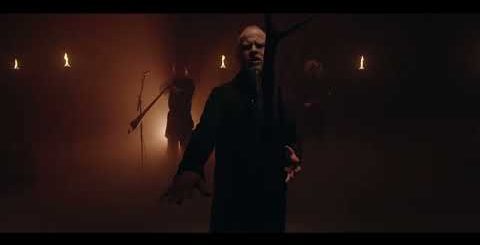
Fehu by Wardruna Lyrics Meaning – Unveiling Nordic Mysticism Through a Musical Journey
Lyrics
i løyndom vakar under
Som ei helufallen åker
Strid som frender råker
Fe vældur frænda rogi
føðesk ulfr i skogi
Fe er firða gaman
frænda rogu
gravseiðis gata
Wardruna, a group renowned for their haunting melodies and deep connection to ancient Norse culture, have crafted an auditory passage through time with their track ‘Fehu’. A spiritual quest set to the beats of primal rhythms, this piece offers more than just a listening experience; it serves as a gateway to the ancestral roots of Scandinavia.
This song isn’t just music, it’s an invocation of the cyclic nature of prosperity and the struggles interwoven with it – all encapsulated in the ancient letter ‘Fehu’, the rune for wealth and material possessions. As we decipher the cryptic lyrics line by line, we find layers of meaning that tap into both personal reflection and collective understanding.
The Serpent’s Coiled Secrets: Analyzing Wardruna’s Symbols
The imagery in ‘Fehu’ is evocative and rich in symbolism. Beginning with ‘the serpent lies in coils’ we are transported into a realm of hidden truths and covert watchfulness, much like the Nordic serpents of lore that guard treasures and secrets. This could be Wardruna’s allegory for the lurking dangers and pitfalls that accompany wealth.
As the serpent lies waiting, we’re reminded of the Norse belief in fate and the imminence of destiny. Here, wealth is depicted not just as abundance, but also as a force, always vibrating with potential and peril. The ‘helufallen åker’ or the half-fallen field reflects this dual nature — a harvest yet to be reaped, symbolizing the precarious balance of gain and loss.
Enigma of Existence: Wardruna’s Ode to Life’s Duality
In the lines ‘Strid som frender råker, Fe vældur frænda rogi’, Wardruna captures the conflict inherent within families and communities, a sentiment echoed in many cultures. ‘Fehu’ here is not just wealth but also a catalyst for strife among kin, a known source of conflict in sagas and history alike.
Wardruna doesn’t shy away from the darker side of wealth — the ‘ulfr i skogi’, or the wolf in the woods, embodies the predator lying in wait, a representation of greed that can be born from the desire for ‘Fehu’. As a group deeply embedded in Norse tradition, Wardruna calls forth the raw complexities of human nature with these ancient references.
The Rune’s Whisper: The Hidden Message in Fehu
One cannot explore ‘Fehu’ without contemplating the runic system, which is foundational to understanding the group’s intent. Each rune is a repository of both phonetic value and symbolic essence. In this context, ‘Fehu’, meaning cattle or wealth, is more than tangible riches — it’s a metaphysical symbol for prosperity, luck, and sometimes, the cause of discord.
This song rehearses the cyclical story inscribed in elder futhark — from glory to ruin, from harmony to conflict. It’s a hidden message of the transient nature of wealth, as embodied by the rune, echoing the ancient world’s wisdom that to possess is also to be at risk of losing. Wardruna choreographs a dance of equilibrium through this age-old emblem.
Sonnets of Soil: The Earthly Tethers of ‘Fehu’s’ Melodies
Driving drums and the melancholic draw of stringed instruments root ‘Fehu’ in the earth. It’s as if the song itself is born of soil, merging man’s toil with nature’s rhythms. Wardruna harnesses the organic essence of ancient instruments to evoke the ancestral bond between land and prosperity.
The song, in its essence, is a tribute to the sacred act of cultivation, both literal and metaphoric. The plowed field is an arena where human sweat and nature convene, where wealth sprouts from toil. ‘Fehu’ voices the connection between the tangible act of tending the fields and the spiritual wisdom of nurturing affluence.
Profound Echoes: The Memorable Lines that Resonate
The phrase ‘Fe er firða gaman frænda rogu’, resonates through ‘Fehu’ like an enigmatic pulse. Directly translating to the joy of wealth amidst kinsmen’s strife, it captures the essential paradox the song weaves. The juxtaposition of glee against conflict encapsulates a fundamental human experience – the bittersweet nature of each attainment.
Wardruna doesn’t merely construct lyrics; they craft experiences. ‘Gravseiðis gata’, which can be understood as the treacherous path of the grave (or wealth), crowns the song with a cautionary finale, reverberating the old Norse tradition of viewing wealth as a journey fraught with both reward and perdition. It’s these lines that etch the song in the listener’s consciousness, urging a deeper contemplation long after the last note fades.