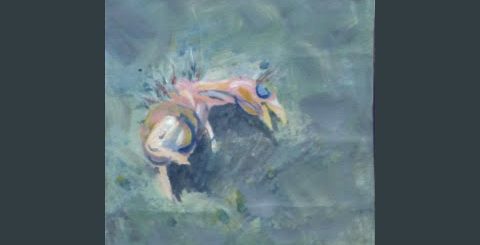
flower by Blue Smiley Lyrics Meaning – Unraveling the Layers of Seasonal Soul-Searching
Lyrics
but where are all
the flowers in bloom
I thought
spring is near
the wind that blows
forever it moves it all
white fawn
i’m gonespring is here
but where are all
the flowers in bloom
I thought
spring is near
the wind that blows
forever it moves it all
white fawn
i’m gone
In the vast landscape of music, there comes, every so often, a track that captures not just the ear but the very fibre of the listener’s being. Blue Smiley’s ‘flower’ is one such song—a harmonically simple yet emotionally complex piece that seems to delve into the heart of human longing and the elusiveness of time.
With its plaintive melody and evocative imagery, ‘flower’ isn’t just a song; it’s a journey through seasons and symbols. Packed within the sparse lyrics lies a mosaic of feelings—ones that resonate with the soul’s perennial search for growth, change, and the understanding of nature’s cycles.
A Melancholic Spring: Decoding Seasonal Imagery
At first glance, ‘flower’ might be quickly categorized as a seasonal song, an ode to the hopes associated with spring. Yet, as we embed ourselves deeper into its lyrics, we find an ironic juxtaposition—spring, the traditional herald of new life, is here, but the flowers are conspicuously absent. This contradiction creates a dissonance, a longing. Blue Smiley mirrors our confusion when the expected patterns of life are interrupted—a sensation all too familiar in today’s rapidly changing world.
The mention of spring in absentia of its blooms suggests an existential dilemma. Are we too searching for our own spring—the rebirth, the colors, the vibrancy—in a loop of yearning and disappointment? The band seemingly taps into this zeitgeist of modern life, where the promised change doesn’t always materialize, or when it does, it’s not as we envisaged.
The Perpetual Wind: Embracing Change’s Constancy
The lyric ‘the wind that blows / forever it moves it all’ evokes the inevitability and persistence of change. Wind, often used as a literary device, is mercurial and can be a gentle whisper or a relentless gale. The band uses this natural element to reflect the dual nature of change—both its necessity and its daunting, unforgiving force. Blue Smiley captures the essence of our struggles with change, the eternal push and pull that sculpts the contours of our life.
Blue Smiley hints at the irony that in the quest for newness, we may find ourselves awash in the currents of change that we can neither control nor fully understand. This lyrical construct raises the question of whether we are participants in the dance of change or merely onlookers being whirled by its whims.
White Fawn: Innocence Lost or Transformed?
The ‘white fawn’ is a vivid symbol, one that traditionally represents purity, innocence, and at times, youthfulness. When Blue Smiley intertwines the image of the fawn with the vocalist’s own proclamation of departure, ‘I’m gone,’ there’s an implication of a rite of passage. This passage, subtle yet profound, might symbolize the shedding of old skins—beliefs, desires, phases—making way for new experiences.
This complex imagery gives ‘flower’ a depth that listeners can explore time and again. It’s a lyrical reminder that with every season, we may leave behind a version of ourselves that is as ephemeral and yet as pure as the white fawn in its first spring.
The Lingering Echo of ‘I Thought’: The Power of Anticipation and Disillusionment
Repeating ‘I thought’ throughout the song, Blue Smiley drills into the concept of unmet expectations. There’s a universal resonance within these two simple words—a shared feeling of anticipation and the subsequent sting when reality falls short. The song’s reflective nature dwarfs listeners in the face of their own ‘I thoughts,’ summoning the ghosts of past hopes.
The emotional weight borne by these moments of self-reckoning is potent. It illustrates how our anticipations play a large role in shaping our reactions to life’s unfolding. Blue Smiley doesn’t just ask us to listen; it prompts an introspective dialogue about the narratives we write and the disparity we often find between them and the truths we live.
Echoes in Silence: The Hidden Meaning Within Minimalism
The sparse construction of ‘flower’ might be deceptive; its brevity is a vessel for dense emotional and philosophical exploration. This is a song that doesn’t spill its secrets readily. Rather, it presents a quiet space for personal projection, where each listener finds unique nuances to brood upon. The hidden meaning doesn’t reside within the lines as much as in the silent spaces between them—inviting interpretation, reflection, and resonance.
Through repetition and minimalism, Blue Smiley has woven a tapestry that is, in its essence, a mirror. Each encounter with ‘flower’ may yield a different reflection, and its profundity lies in this versatility—it is a canvas on which we can paint our individual meanings, moods, and meditations.