Haegeum by Agust D Lyrics Meaning – Unlocking Society’s Chains Through the Power of Music
Lyrics
Okay, okay
Yeah, yeah, yeah
이 노래는 해금 yeah (uh)
올라타 봐, 지금 yeah (uh)
복작대는 리듬, 어쩌면
이 또한 또 다른 해금 (우린 자유)
이 노래는 해금 yeah (uh)
올라타 봐, 지금 yeah (uh)
복작대는 리듬, 어쩌면
이 또한 또 다른 해금 (우린 자유)
이 노래는 해금 yeah
올라타 봐, 지금 yeah
복작대는 리듬, 어쩌면
이 또한 또 다른 해금 (hoo)
해석들은 자유 yeah (okay)
개소리는 아웃 yeah (okay)
표현들의 자유, 어쩌면 누군가의 죽음 사유 (okay, okay)
그것 또한 자유일런지? (일런지?)
당신의 판단과 추측엔 확실한 신념들이 있는지? (있는지?)
당신의 자유와 타인의 자유가 동일하다 믿는지? (믿는지?)
그렇다면 주저 말고 올라타 봐, 금지된 것들로부터의 해방
각자의 취향조차 이해들을 못 하는
불행한 이 시대를 살아가는 이들을
위한 이 노랜 금지된 것을 푸는 것뿐이지
허나, 자유와 방종의 차이쯤은 부디 구분하길
Yeah, mm
이 노래는 해금
올라타 봐 지금
복작대는 리듬
또 다른 해금
이 노래는 해금 yeah (uh)
올라타 봐, 지금 yeah (uh)
복작대는 리듬, 어쩌면
이 또한 또 다른 해금 (우린 자유)
이 노래는 해금 yeah (uh)
올라타 봐, 지금 yeah (uh)
복작대는 리듬, 어쩌면
이 또한 또 다른 해금 (우린 자유)
쏟아지는 정보들은 상상의 자유들을
금지시킴과 동시에 사상의 통일성을 원해
꽤나 머리 아픈 각종 노이즈는 눈을 가리고
이제는 생각의 자유조차 범해
각종 논란들은 판단들의 혼란들을
야기시키고 또 쉴 틈 없이 생산되네 uh
과연 우릴 금지시킨 건 무엇일까?
어쩌면 우리 자신 아닐까?
자본의 노예 (ayy), 돈들의 노예 (ayy)
증오심과 편견, 혐오의 노예
유튜브의 노예 (ayy), 플렉스의 노예 (ayy)
이기심과 탐욕이 미쳐 날뛰네
눈 감으면 편해 (ayy), 모든 게 뻔해 (ayy)
이득에 따라서 뻔히 갈리는 견해
시기와 질투에 다들 말야, 눈들이 머네
서로가 서로에게 족쇄를 거는 것도 모른 채 (arh)
정보의 쓰나미에서 쓸려 내려가지 말길
우린 자유와 방종의 차이쯤은 모두 구분하니
Yeah, huh
이 노래는 해금
올라타 봐, 지금
복작대는 리듬
또 다른 해금
이 노래는 해금 yeah (uh)
올라타 봐, 지금 yeah (uh)
복작대는 리듬, 어쩌면
이 또한 또 다른 해금 (우린 자유)
이 노래는 해금 yeah (uh)
올라타 봐, 지금 yeah (uh)
복작대는 리듬, 어쩌면
이 또한 또 다른 해금 (우린 자유)
이 노래는 해금 yeah (uh)
올라타 봐, 지금 yeah (uh)
복작대는 리듬, 어쩌면
이 또한 또 다른 해금 (우린 자유)
이 노래는 해금 yeah (uh)
올라타 봐, 지금 yeah (uh)
복작대는 리듬, 어쩌면
이 또한 또 다른 해금 (hoo)
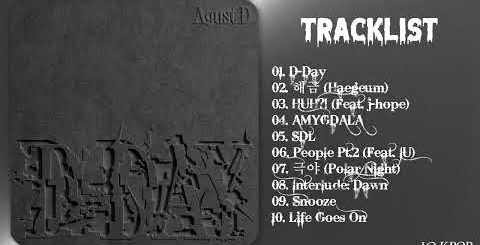
In the intricate tapestry of contemporary music, Agust D – also known as Suga from the global phenomenon BTS – presents ‘Haegeum,’ a piece that proves itself to be as socially poignant as it is musically entrancing. A track that dances between literal and metaphorical interpretations, it is a masterful exploration of freedom and constraint, both within the music industry and the wider social context.
As Agust D spins a narrative that is equal parts personal exposition and far-reaching commentary, ‘Haegeum’ offers a multifaceted look into the artist’s psyche while also addressing a culture rife with prohibitions and preconceptions. Let’s delve into the textured layers of meaning laced throughout this compelling track and what it might signal in our current socio-political climate.
A Liberation Anthem Camouflaged in Tradition
Agust D operates within the duality of utilizing a traditional Korean instrument, the haegeum, as a metaphor for emancipation. At its core, the song invites listeners to ‘ride’ the rhythm, suggesting an action of embracing the present and liberating oneself from constraints. In this sense, the song doesn’t just introduce the instrument but embodies its very essence – a release from the binds of silence and the freedom to express.
By referencing the haegeum, which has historically functioned within confined cultural contexts, Agust D subverts expectations. He proposes that this song, and perhaps music as a general form, serves as another form of ‘haegeum.’ This implies a liberation through music, with the artist seizing the traditional and steering it into a modern narrative of breaking free.
Navigating Chaos: The Sonic Emotional Rollercoaster
The song is built on a frenetic rhythm, setting the stage for the turmoil of information and sensation that defines the modern age. The ‘hustling rhythm’ mirrors the clutter of today’s societal pressures and information overload. In this rhythm, we witness an echo of the disparity between what society values and what the individual may view as their personal freedom.
This rhythm isn’t just a beat; it’s the chaotic heartbeat of a population trapped within the clutches of technology, capitalism, and the inundation of excessive knowledge and opinion. Agust D’s music serves as a vehicle to navigate this chaos, a sort of compass for the lost souls searching for their individuality amidst the noise.
Between Freedom and Excess: The Song’s Hidden Message
Agust D harnesses ‘Haegeum’ to challenge listeners to distinguish between freedom and indulgence. He underscores the importance of this distinction as a safeguard against societal descent into hedonism. The song asserts that while expression and interpretation are free, they shouldn’t be mistaken for a license for thoughtless slander or heedless behavior.
He questions the audience directly, probing if they can discern between personal liberty and the freedom of others, suggesting that true freedom can’t exist unless it’s recognized universally. This dialogue with the listener is essential, as it’s not just the music that’s liberating, but also the message demanding self-awareness and societal empathy.
Memorable Lines That Echo the Zeitgeist
‘This sad age does not even understand individual preference.’ Here, Agust D distills the predicament of modern society into a single line. This disruption of taste is emblematic of a broader dismissal of identity in favor of mass opinion, thereby chaining the individual once more.
He continues, ‘We’re all slaves to capital, slaves to the money.’ With these incisive words, Agust D reflects on the gilded shackles that bind us, perpetuating a cycle of envy and discontent. This is not just his story but the narrative of countless others caught in the crossfire of an age dominated by materialism.
The Call to Self-Reflexivity in a Cyclone of Dogma
As the track crescendos, ‘Haegeum’ evolves from a call to freedom to a plea for introspection. The vast influx of information could act as a tsunami, washing away the veneer of freedom, leaving behind a homogenized gestalt of thought. Agust D cautions, ‘Don’t be swept away in the tsunami of information,’ a line that could very well be the siren’s call for individual cognition in a sea of orchestrated concord.
In this ballad of intellect versus indoctrination, Agust D implores the individual to not only recognize the chains of society but to discern the differences in their own thoughts and the rampant ideologies. ‘Haegeum’ is a fortress of self against the barrage, compelling listeners to find salvation not in ignorance or surrender, but in the active understanding of their personal freedoms coexisting with the collective milieu.