Have You Passed Through This Night by Explosions in the Sky Lyrics Meaning – The Haunting Dreamscapes of Our Collective Psyche
Lyrics
How’d it steal into the world?
What seed, what root did it grow from?
Who’s doing this?
Who’s killing us, robbing us of life and light, mocking us with the sight of what we mighta known?
Does our ruin benefit the earth, aid the grass to grow and the sun to shine?
Is this darkness in you, too?
Have you passed through this night?
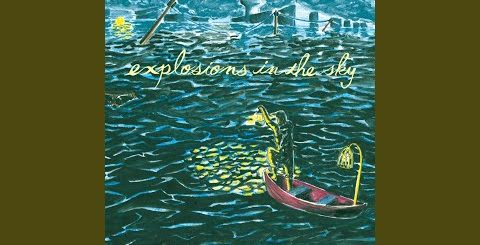
In the ethereal expanse of post-rock music, few bands have mastered the art of painting emotion with sound quite like Explosions in the Sky. Their song ‘Have You Passed Through This Night?’, taken from the entrancing album ‘Those Who Tell the Truth Shall Die, Those Who Tell the Truth Shall Live Forever’, serves as a hauntingly poetic inquiry into the nature of evil and the human condition. As we delve into the lyrics, we find ourselves intertwined with a dialogue that transcends the band’s Texas roots, reaching out to the universal human experience.
Soaked in an ambient blend of murmuring guitars and percussion that swells like a tide, the song unfurls like a series of cinematic vignettes that pull at the consciousness, beckoning for introspection. This track, uniquely bestowed with both spoken word and instrumental eloquence, invites us on a journey to unearth its deeper meanings, explore its storied lines, and discover the hidden nooks within its plaintive echoes.
Dissecting the Seeds of Darkness: A Thematic Odyssey
The unmistakable voice sampling in ‘Have You Passed Through This Night?’ does not merely pose questions—it delves into the origins of malevolence itself. By inquiring where this ‘great evil’ originates, the song aligns itself with literature and philosophy’s timeless exploration of darkness. The sampled monologue, drawing from the Terrence Malick film ‘The Thin Red Line’, acts as a stark philosophical backbone to the ambient soundscape, infusing the song with a layer of meaning that penetrates the soul.
As the guitars slowly build a wall of sound, these questions linger, unanswerable yet eerily relatable. The search for the root of wickedness becomes not a pursuit of simple answers, but a profound commentary on the nature of existence. It is a testament to the band’s ability to weave profound questions into their instrumental narrations, leaving the listener in a suspended state of reflection about the world and their place within it.
The Poetic Darkness: Interpreting the Void within Us
Crucially, the phrase ‘Is this darkness in you, too?’ resonates as a personal appeal to the listener’s soul, blurring the line between external and internal struggles. It demands a confrontation with the darkness that dwells within each of us, an introspection that Explosions in the Sky masterfully guides through a crescendo of reverberating guitars. This rhetorical question beings a vulnerable exploration of the human spirit, as much a mirror as it is a window into the abyss.
The dialogue between the song’s stark questions and its engulfing sound coaxes out the idea that understanding the external atrocities of the world is inseparable from wrestling with our internal shadows. The song stands as a beacon, illuminating parts of us we’d often rather not see—yet with a beauty that reassures, that understands, and that, ultimately, offers a form of solace.
Breaking Down the Barriers: The Instrumental Dialogue
Beyond its poignant lyrics, the track’s predominantly instrumental nature speaks volumes. Explosions in the Sky are revered for their capacity to construct narratives without words, and ‘Have You Passed Through This Night?’ is no exception. Each pluck of the guitar string, each swell of sound carries an unsaid word, an unwritten story. Listeners are encouraged to project their own meanings onto the blank canvas the band provides, creating a personalized dialogue with the music itself.
The absence of concrete answers in the lyrics parallels the openness of the instrumental. Without a clear direction, listeners find themselves adrift in the sounds that fill the gaps, the moments of stillness in between, and the upheavals of climax. It’s this balanced conversation between narrative and music that makes the song not just a plea for understanding but also an open-ended question posed directly to the psyche of its audience.
The Sonic Landscape: A Catalyst for Emotional Revelation
The evocative power of ‘Have You Passed Through This Night?’ lies in its sonic landscape, which serves as both catalyst and companion for emotional revelation. The gradual buildup throughout the song mimics the stages of grappling with the profound issues it raises—from questioning darkness to seeking understanding. The evolving music seems to encourage a procession through the stages of grief and, ultimately, a reaching towards acceptance or enlightenment.
As the listener traverses this journey, the song’s tempo and tone shift to reflect the internal upheavals associated with such contemplations. The final crescendo could be seen as the cathartic release after an intense emotional process, leaving the listener not entirely freed from the questions posed, but comforted by the shared experience of the search for answers.
The Unforgettable Echo: Memorable Lines that Pierce the Heart
For all its lush instrumentals and intrepid sonics, it is the visceral spoken lines that lodge themselves in memory long after the song has ended. ‘Who’s doing this? Who’s killing us, robbing us of life and light, mocking us with the sight of what we mighta known?’—these lines haunt with their raw interrogation of life’s cruelties. The delivery of these lines is not accusatory but almost pleading, offering an invitation to not just hear but feel the weight of its inquiry.
These words, delivered amidst a soundscape that elevates their resonance, are not easily forgotten. And perhaps that is by design. They leave listeners wrestling with their implications, returning to the music as a refuge or a sounding board. They serve not just as lyrics but as a litany for the mystified and anguished, elevating ‘Have You Passed Through This Night?’ to a realm of art that both questions and comforts, challenges and embraces.