Hoodoo by Muse Lyrics Meaning – The Intricate Weave of Existential Nostalgia
Lyrics
Regress into a dream
We will hide
Build a new reality
Draw another picture
Of the life you could have had
Follow your instincts
And choose the other path
You should never be afraid
You’re protected from trouble and pain
Why, why is this a crisis in your eyes again
Come to be
How did it come to be
Tied to a railroad
No love to set us free
Watch our souls fade away
Let our bodies crumble away
Don’t be afraid
I will take the blow for you
And I’ve had recurring nightmares
That I was loved for who I am
And missed the opportunity
To be a better man
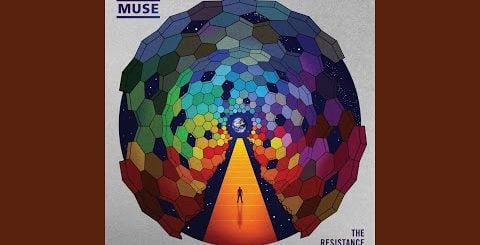
Muse, known for their extraordinary melding of progressive rock and articulate lyricism, presents ‘Hoodoo’—a track that’s a fascinating enigma wrapped in the velvet of dark, operatic tones. This intricate piece from their 2006 album ‘Black Holes and Revelations’ ventures through the halls of introspection and regret, with a sprinkle of existential dread.
At first glance, the song might seem like it’s steeped in personal despair and longing, but a deeper delve reveals layers of universal human emotions and experiences. We uncover the philosophical underpinnings that make ‘Hoodoo’ a hauntingly beautiful ode to the human condition.
A Tapestry of Time: Regress or Progress?
The opening lines of ‘Hoodoo’ invite the listener to regress into a dream, suggesting a yearning to escape reality. This regression can symbolize a desire to return to a simpler time or to an unfulfilled past. Building ‘a new reality’ and drawing ‘another picture of the life you could have had’ might allude to the human propensity to dwell on what might have been rather than what is, illustrating the power of the mind to create alternate universes where we can hide from our truths.
Yet, in the insistence to ‘follow your instincts and choose the other path,’ Muse juxtaposes the allure of the past with the potential of the future. It poses an open-ended question: are we as human beings destined to be trapped by our own longing for change, or can we break free from the chains of our nostalgic overtures?
The Crisis of Consciousness in ‘Hoodoo’
The recurring question ‘why is this a crisis in your eyes again?’ beats like a troubled heart questioning the upheavals that one faces. There’s a palpable sense of frustration and the repeated crises of the self that are inherent in our existence. Muse portrays a recognition of trouble and pain as constant companions in life’s journey yet assures us of a protection that lies beneath the surface of these hardships.
This philosophical grappling with the crises of the self may not have one absolute answer but suggests that perhaps it is the very nature of human consciousness to constantly be in a state of flux—finding and solving problems, only to encounter new ones. Muse is possibly hinting at a transcendental knowledge, one that brings solace within turmoil.
Unshackling Love: The Key to Release
The vivid imagery of being ‘Tied to a railroad/No love to set us free’ paints a tragic scene of entrapment. Love, or the lack thereof, can be the shackle as much as the savior. The reference to the railroad could symbolize the predestined tracks that lives are set upon, or the crushing weight of unfulfilled desires and unrequited loves.
When Muse croons about watching ‘our souls fade away’ and letting ‘our bodies crumble,’ it resonates like a eulogy to freedom and the unfathomable depth to which individuals can sink in the absence of love. However, through this desolation runs a thread of courage—’Do not be afraid/I will take the blow for you’—suggesting a heroic self-sacrifice that has the strength to break these metaphorical chains.
Echoes of Recurring Nightmares: A Brush with Authenticity
A particularly haunting admission comes with the line, ‘And I’ve had recurring nightmares that I was loved for who I am.’ There is something deeply unsettling in the idea that being loved for one’s authentic self could be the root of a nightmare. Is the fear of exposure, of not measuring up, or the vulnerability that comes with being seen, so potent that it invades our dreams?
This line builds a haunting tableau of our universal longing for authenticity in connection while battling against the fear of having that very connection. It’s a sophisticated paradox at the core of human interaction, where the need for intimacy clashes with the fear of not being enough—serving as a testament to our complex psyche.
Decoding the Hoodoo: The Hidden Meaning Within
The term ‘hoodoo’ suggests magic and manipulation, a nod perhaps to the illusions we conjure for ourselves. Muse might be inferring that life itself can be the greatest magician—a hoodoo that promises and deceives in equal measure. But this song also serves as a surreal reminder that it’s within this very hoodoo that we find our moments of true self, pain, love, and ultimately, the opportunity to be a better person.
In the concluding breath of the song, where Muse contemplates ‘the missed opportunity to be a better man,’ it unveils another layer of introspection. It could be a personal lament or a universal regret of humanity—a shared sense that amidst the hoodoo of our lives, we often lose sight of our capacity for kindness, growth, and evolution. This is, perhaps, Muse’s most profound commentary on the human condition—a reminder that within the mysteries of the hoodoo, we might just discover who we really are.