I Gave You All by Mumford And Sons Lyrics Meaning – The Heart-Wrenching Anatomy of Sacrifice
Lyrics
Seal the urge which ensues with brass wires
I never meant you any harm
But your tears feel warm as they fall on my forearms
But close my eyes for a while
Force from the world a patient smile
How can you say that your truth is better than ours?
Shoulder to shoulder, now brother, we carry no arms
The blind man sleeps in the doorway, his home
If only I had an enemy bigger than my apathy I could have won
But I gave you all
I gave you all
I gave you all
Close my eyes for a while
Force from the world a patient smile
But I gave you all
I gave you all
I gave you all
And you rip it from my hands
And you swear it’s all gone
And you rip out all I had
Just to say that you’ve won
And you rip it from my hands
And you swear it’s all gone
And you rip out all I had
Just to say that you’ve won
Well now you’ve won
But I gave you all
I gave you all
I gave you all
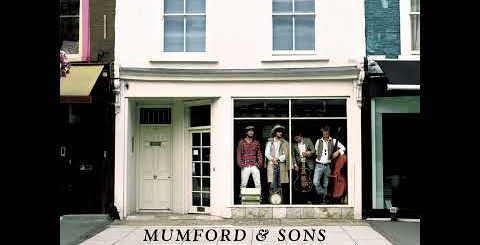
Mumford And Sons, a band that’s often pigeonholed as folk revivalists, is known for their ability to weave intricate tales of love, loss, and redemption within the confines of their spirited banjo-guided tracks. ‘I Gave You All’, a song featured on their critically acclaimed album ‘Sigh No More’, echoes with the pained sincerity of a love that finds itself spent and unreplenished.
Delving beyond the soulful strums and the raw, emotive vocals, we find ourselves face to face with the inner turmoil and self-reflection of a protagonist caught in an uneven exchange of affections. This exploration isn’t just about poetic devices or lyrical prowess; it’s about charting the jagged landscape of a human heart in its barest, most vulnerable moments.
The Alchemy of Emotion: Turning Pain into Sonic Gold
In an alchemical twist, ‘I Gave You All’ turns emotional turmoil into auditory richness. The song begins with an invocation, ‘Rip the earth in two with your mind,’ suggesting an intense struggle to reconcile internal conflict. Through ‘brass wires’—a metaphor for the delicate and intricate connections between people—the protagonist illustrates a failed attempt to mend a rift. The poignant admittance, ‘I never meant you any harm,’ sets the tone for a tale of inadvertent hurt, where intentions fall short in the shadow of consequence.
The visceral warmth of tears against skin is as much a testament to physical closeness as it is to the echoing distance of emotional disconnect. In this santioned space of cognitive dissonance, the song hammers out a melody that’s both reflective and gut-wrenching—transforming personal pain into a shared cathartic experience that resonates with anyone who has ever loved and lost.
The Eternal Struggle: Seeking Truth in a Forest of Relativity
‘How can you say that your truth is better than ours?’ The line is a stark confrontation, a call to arms despite the proclaimed pacifism (‘we carry no arms’). It touches upon the universal quest for objective truth within the chasms of subjective experience. In this shout into the void, the song questions the very foundation of perceived righteousness and the conflicts it breeds—a sentiment as relevant in the personal realm as it is on the wider plane of human interaction.
Once again, we’re drawn into the plight of the ‘blind man’, a figure whose doorway existence is a poignant metaphor for neglect and societal apathy. Through him, Mumford And Sons push us to ponder what might lie dormant within us, waiting for an ‘enemy bigger than my apathy’ to awaken a spirit capable of triumph. Is the struggle externalized, or is the real conflict happening within?
A Chorus of Giving: The Bittersweet Refrain of Loss
The repetition of ‘But I gave you all’ within the song’s chorus serves as a rhythmic anchor and an emotional climax. The simplicity of this refrain belies its complex undercurrents, morphing with every repetition to express a spectrum of sacrifice, disillusionment, and a silent plea for recognition. These four words become the heart of the song, pumping the agony of giving without reciprocation through the listener’s veins.
The cyclical return to ‘I gave you all,’ after each confrontational verse, is both a lament and an indictment. It speaks to the cycle of investment and dispossession, a mantric reminder of what’s been offered at the altar of another’s indifference. Like the folk ballads of old, this modern anthem reverberates with the echoes of souls who have poured themselves into one-way streets of unrequited emotion.
The Prize of Pain: Triumph as the Spoil of Emotional Warfare
Within the song’s bridge, the lyrics paint a picture of victory as hollowness—’Well now you’ve won’—suggesting that the spoils of this emotional tug-of-war are pyrrhic. By focusing on the act of ripping away and the declaration of conquest, ‘I Gave You All’ underscores the futility of winning when it comes at the cost of another’s entirety. What remains is the specter of triumph, grasping at the remnants of a connection brutally severed.
This section acts as the final unraveling, the outcome of a battle where the war itself has consumed all there was to fight for. The protagonist acknowledges defeat, but it’s a defeat laden with accusation, illuminating the paradox of any win that leaves only barren fields in the wake of victory. This is not just an ending; it’s an unraveling of the very fabric that once held a relationship together.
Lyrical Lacerations: The Memorable Lines Cutting Deep
‘And you rip it from my hands / And you swear it’s all gone.’ The imagery in these lines is visceral, portraying a finality that is both physical and emotional. Here, the act of tearing away what is held dear becomes a metaphor for the ultimate betrayal. The physicality of the language used entwines with the lingering presence of loss, creating scars in the form of unforgettable lyricism.
This is songwriting not just as a form of storytelling, but as an act of confession and catharsis. Through these ‘lyrical lacerations’, the audience is invited to access the deepest crevices of heartache—the silent screams and the unheard protests against the callousness of a loved one. These lines don’t just tell a story; they haunt us with reminders of what it means to give everything, only to be left empty-handed.