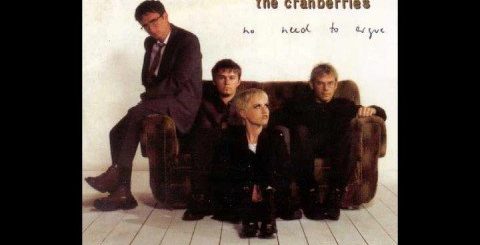
I Still Do by Cranberries Lyrics Meaning – Unraveling the Tapestry of Heartache and Hope
Lyrics
Though I thought I would be.
I can’t see the future
Though I thought I could see.
I don’t want to leave you
Even though I have to.
I don’t want to love you.
Oh, I still do.
Need some time to find myself.
I want to live within.
Can I go my own way?
Can I pray my own way?
I don’t want to leave you.
Oh, I need you.
Am I ready for this?
Did I think I would be?
Can I see the future?
No, I can’t see.
I don’t want to leave you
Even though I have to.
I don’t want to love you.
Oh, I still do.
In the lexicon of love and loss, few songs capture the essence of conflicted emotions quite like The Cranberries’ ‘I Still Do.’ The track, a haunting ballad that casts a shadow of melancholic introspection, harbors a layered complexity beneath its seemingly straightforward lyrics. It’s a piece that invites listeners to traverse the depths of attachment and detachment, standing as a testament to the intricate dance between moving on and holding on.
Peeling back the layers of ‘I Still Do,’ one finds an intricate portrayal of the battle between the rational mind and the somersaulting heart. As we unpack the emotive weight carried in each line, we come to understand not just the words sung by the irreplaceable Dolores O’Riordan, but also the universal turmoil that comes with the paradox of loving someone you feel you should not or cannot.
An Ode to Emotional Paralysis
The song’s opening lines, ‘I’m not ready for this / Though I thought I would be,’ immediately set a tone of self-conflict, indicating a struggle to reconcile expectations with reality. It captures a raw human condition; thinking ourselves prepared for life’s pivotal moments, only to find that when the moment arrives, we’re frozen in place – a poignant reflection on how ill-equipped we often are for the seismic shifts of our own narrative.
The lyrics’ mention of an obscured view of the future (‘I can’t see the future / Though I thought I could see’) reveals an unsettling admission of vulnerability. It speaks to our innate desire to understand our path, juxtaposed with the unsettling truth that life often has a way of clouding our foresight, leaving us grasping for clarity.
The Push and Pull of Love’s Gravitational Force
‘I don’t want to leave you / Even though I have to.’ This potent declaration of reluctance to part ways unveils the gravitational pull of love – a force that binds even when logic dictates separation. The contradiction presented here taps into the familiar feeling of yearning for closeness despite the imperative to let go, a sentiment that resonates deeply within the human experience.
This dichotomy sharpens as O’Riordan voices the painful avowal, ‘I don’t want to love you. / Oh, I still do.’ The words pour out as an internal lament, where the act of loving becomes an involuntary reflex, often to one’s own detriment. Struggling against the tide of one’s own emotions, the lines speak to the tortuous task of unwinding oneself from the tapestry of another’s being.
The Quest for Autonomy in Identity and Spirit
In the quest to ‘find myself’ and ‘live within,’ the song touches upon the existential journey of self-discovery and autonomy. These lines convey the protagonist’s desire for independence – metaphoric of a journey one must undertake alone. ‘Can I go my own way? / Can I pray my own way?’ asks for permission to diverge from a shared path and seek solace in personal spirituality and individual decisions.
The song’s yearning for independence juxtaposed with a need for connection (‘Oh, I need you.’) encapsulates the human struggle of balancing self-identity with the fear of isolation. It is a reminder that sometimes the road to finding oneself is littered with the shadows of others we cannot easily escape.
The Impossibility of Seeing Beyond the Now
The iterative questioning in the lines ‘Am I ready for this? / Did I think I would be? / Can I see the future?’ captures a disturbing sense of doubt that permeates the song. With the motif of foresight, or lack thereof, recurring throughout the piece, it underlines the inevitability of uncertainty that plagues our decisions and the direction of our lives.
Such lyrical iterations serve to remind us that the craving for foresight, for the assurance that we’re making the right choices, is a powerful influence on the human psyche. Yet the song’s melancholic tone underscores our collective realization that this assurance may be nothing more than a mirage.
Memorable Lines: The Anchors of Our Emotional Odyssey
Certain lines in ‘I Still Do’ linger in the mind long after the song fades, acting as anchors in the swirling seas of the soul’s odyssey. Each verse feels like a small chapter of introspection, with phrases like ‘I don’t want to leave you’ and ‘Oh, I still do’ echoing the universal choruses of reluctant hearts.
These fragments of verse become the hooks upon which listeners hang their own experiences, memories, and pains. As O’Riordan repeatedly professes ‘I still do,’ we too find ourselves chanting along, both in solidarity and in recognition of our own parallel sagas of love and loss.