I Want to Tell You by Beatles Lyrics Meaning – Deciphering the Silence in Love’s Confession
Lyrics
My head is filled with things to say
When you’re here
All those words they seem to slip away
When I get near you
The games begin to drag me down
It’s all right
I’ll make you maybe next time around
But if I seem to act unkind
It’s only me, it’s not my mind
That is confusing things
I want to tell you
I feel hung up and I don’t know why
I don’t mind
I could wait forever, I’ve got time
Sometimes I wish I knew you well
Then I could speak my mind and tell
Maybe you’d understand
I want to tell you
I feel hung up and I don’t know why
I don’t mind
I could wait forever, I’ve got time
I’ve got time
I’ve got time
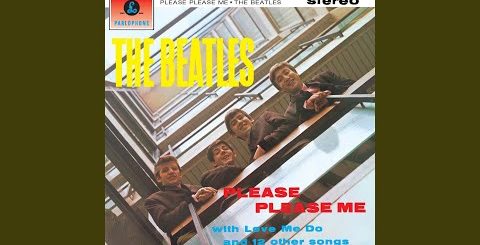
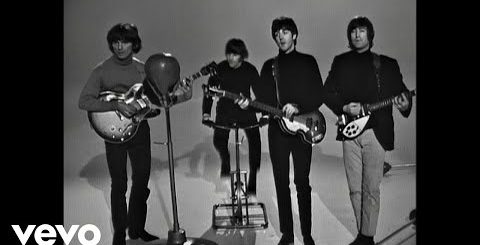
The Beatles have perpetually been a mosaic of profound lyrical poetry and pioneering sound. ‘I Want to Tell You,’ a track from their iconic ‘Revolver’ album, is a candid exposition of the tumultuous inner machinations of a mind in love. Often overshadowed by its more famous album counterparts, this George Harrison composition is a lyrical labyrinth waiting to be unraveled by those who dare to seek its truths.
Underneath a distinctively upbeat and enigmatic musical arrangement, Harrison’s lyrics emerge as a torrent of consciousness wrestling with ineffable emotion. It’s a confession etched into melody, a dialogue between thought and feeling, expressed with a disarming honesty that slices through the artifice often associated with pop songs.
Unlocking The Game of Words
At its core, ‘I Want to Tell You’ presents an internal struggle familiar to anyone who’s ever been lost in the labyrinth of affection. The simple act of expressing one’s feelings becomes unnervingly complex. ‘My head is filled with things to say,’ Harrison begins, outlining the familiar scenario of a mind brimming with thoughts in the presence of the object of affection.
Yet, the moment of truth is clouded with hesitation; the words ‘seem to slip away.’ This dichotomy of thought and expression is a central theme, revealing a vulnerability often masked beneath the veneer of the Beatles’ international superstar status. It is a tender acknowledgment of the challenges intrinsic to human connection.
The Drag of Mental Games
As the songwriter gets physically closer to his beloved, metaphorical ‘games begin to drag [him] down.’ Is this an allusion to the games people play during courtship or rather the cerebral wrestling that accompanies intense feelings? These lines suggest a battle between heart and mind, a nagging uncertainty that can feel like a weight dragging him away from clarity.
The reaffirming ‘It’s alright’ punctuates this inner conflict with a note of self-assurance, a temporary salve to the disquiet within. It’s a cycle of emotional high stakes, where even a temporary setback is rationalized as a stepping stone to eventual success—’maybe next time around.’
The Paradox of Unkind Acts and Pure Intent
An intriguing introspection takes center stage as Harrison croons ‘But if I seem to act unkind / It’s only me, it’s not my mind / That is confusing things.’ These memorable lines are a disarmingly honest statement of self-awareness. They articulate the all-too-human phenomenon where actions, influenced by a spectrum of emotions and external pressures, don’t always mirror the purity of one’s intentions.
The song touches on an essential human dilemma—the discrepancy between what we feel and what we manifest. It’s a concession that although the spirit may be willing, the flesh (or, in this case, the psyche) is sometimes weak, leading to unintended confusion and misinterpretations in our interactions.
The Resonating Lament of Unrequited Understanding
Within the lyrics, Harrison expresses a profound yearning not just for love, but for understanding—’Sometimes I wish I knew you well / Then I could speak my mind and tell.’ This line resonates with anyone who has ever desired a deeper connection that transcends the mere exchange of words, extending into the realm of mutual comprehension.
This longing for understanding is the linchpin of the song’s emotional appeal. The songwriter perceives that, if only he could pierce the veil that separates his own heart from another’s, he could unlock the essence of his feelings and make them known. It’s a wishful meditation on the possibility of a perfect understanding that may never be.
The Sisyphus’ Echo in Everlasting Patience
In the face of all this psychological turmoil, a stoic resolve emerges as a leitmotif in the guise of time—’I don’t mind / I could wait forever, I’ve got time.’ The repetition of ‘I’ve got time’ drives home the idea of patience in stark contrast to the fleeting nature of the emotions described earlier.
This pivot toward eternal patience serves as a philosophical acceptance of the existential impasse. It is an acknowledgment that, perhaps, some emotions are destined to remain captive within the heart, forever wrestling with the ghost of expression. The Sisyphean task of conveying the true depth of our emotions is embraced with a wistful resignation.