If Only by Queens of the Stone Age Lyrics Meaning – Unveiling the Layers of Yearning and Disillusionment
Lyrics
If it gets you up, well, I don’t want it
It let you down so broken-hearted
If it gets you down, well, then I want it
If only, only
If only, only
If only, only
If only, only
We’re nothing at all
So blow our mind and make it lazy
Those long, long days with no escaping
I hold the wheel to let it go
Don’t want to stop, don’t want to know
If it gets you down, well, just don’t blame me
If only, only
If only, only
If only, only
If only, only
If only, only
If only, only
If only, only
If only, only
We’re nothing at all
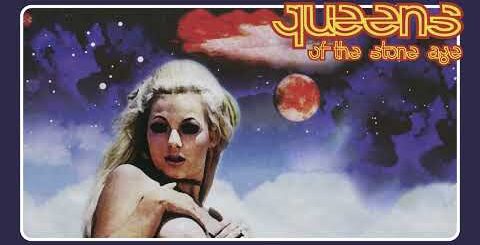
Queens of the Stone Age’s ‘If Only’, a track from their eponymous debut album, reverberates with the echoes of wistful desires and the gritty realities of existence. It’s a siren song from the edge of disillusionment, inviting us into the depths of the human condition, where longing meets the hard ground.
Beneath the surface-level understanding of rock rebellion, the song is an intricate tapestry weaving in personal introspection, the human instinct for companionship, and the sobering truths of ‘what could have been’. Let’s dissect the enigma that is ‘If Only’, peeling back its layers to reveal its core meaning.
The Pendulum of Emotional Extremes
The song initiates a dialogue with its lyrical pendulum, swinging between support during downfall and the refusal of uplifting moments. It appears to mirror the complex human emotions that tug between wanting to be there for someone yet being unable to accept or reciprocate positivity. In this light, the lyrics suggest an individual grappling with emotional barriers, possibly stemming from past hurts or traumas.
This back-and-forth presents an existential dance where the protagonist might be confronting their own incapacity to fully embrace or let go of relationships. It speaks to a common human reflex to shield oneself from vulnerability—protecting from the potential pain that comes from being fully invested in the emotional well-being of another.
Cracking the Code of ‘If Only’
The mantra-like repetition of ‘If Only’ is a haunting chorus that stretches through the fabric of the track. It suggests a yearning for a different reality, hinting at regret and the wishful thinking that often accompanies missed opportunities or past decisions. It’s an echo chamber of the mind’s ‘what ifs’, a refrain that encapsulates the human tendency to romanticize paths not taken.
Upon closer examination, these two words paint a broader stroke about human dissatisfaction and the perennial chase for something just out of reach. Whether it’s love, happiness, or a different state of being, ‘If Only’ frames the existential quest for more, the insatiable hunger that drives people forward or drags them down.
The Unfolding Saga of Desire and Disappointment
In a swirl of rock-infused languor, ‘If Only’ captures the futility of chasing after desires that perpetually slip through one’s fingers. The days described as ‘long and inescapable’ can be interpreted as the drudgery of life when one’s wishes remain unfulfilled, leading to a sense of stagnation and the fatigue that comes from the pursuit of elusive satisfaction.
The steering wheel that the narrator clings to, letting it go one moment and refusing to stop the next, could symbolize control and the quintessential human struggle with it. Wanting to direct one’s fate while being apprehensive of fully understanding or embracing the consequences is a dilemma echoed through these lines.
Dissecting the Song’s Hidden Meaning
Delving deeper beneath the veneer of a rock tune, ‘If Only’ touches upon the paradox of wanting to feel connected with others yet feeling fundamentally isolated. The repetition of ‘we’re nothing at all’—a bleak acceptance—appears as a commentary on existential insignificance in the grand scheme of things.
It invokes the sentiment that, despite human efforts to matter, to carve a niche, the universe’s indifference remains unshaken. This recurring theme isn’t just a brush with nihilism but rather an acknowledgment of freedom found in insignificance, where meaningful connections are made not in grand gestures, but in the small, shared experiences of life.
Memorable Lines That Echo in the Void
‘If it gets you down, well just don’t blame me’ — these words resonate with a sense of detachment and self-preservation. It throws light on the sometimes selfish aspect of human nature and the desire to separate oneself from the emotional weight of another’s experience.
This line, laden with defensiveness, can be seen as a fortification against blame and guilt. It’s a stark reminder that while we seek companionship and understanding, there remains a defensive wall within us, one that flares up to protect our inner sanctuary from the complexities entangled in the act of compassion.