It Could Be Sweet by Portishead Lyrics Meaning – Unraveling the Layers of Love and Fear
Lyrics
No reason have I but fear
And I ain’t guilty
Of the crimes you accuse me of
But I’m guilty of fear
I’m sorry to remind
You but I’m scared of what we’re creating
This life ain’t fair
You don’t get something for nothing, turn now
Mmmm gotta try a little harder
It could be sweet
Like a long forgotten dream
And we don’t need them
To cast the fate we have
Love don’t always shine through
‘Cause I don’t want to lose
What we had last time your leaving
This life ain’t fair
You don’t get something for nothing, turn now
Mmmm gotta try a little harder
It could be sweet
But the thoughts we try to deny
Take a toll upon our lives
We struggle on in depths of pride
Tangled up in single minds
‘Cause I don’t want to lose
What we had last time your leaving
This life ain’t fair
You don’t get something for nothing, turn back
Mmmm gotta try a little harder
‘Cause I don’t want to lose
What we had last time your leaving
This life ain’t fair
You don’t get something for nothing, turn back
Mmmm gotta try a little harder
It could be sweet
Amidst the labyrinth of trip-hop melancholia, Portishead’s ‘It Could Be Sweet’ stands as a testament to the complexity of human emotions. With its eerie beats and haunting vocals, the track insinuates a dance between love’s fragility and the insidious presence of fear in the bonds we forge.
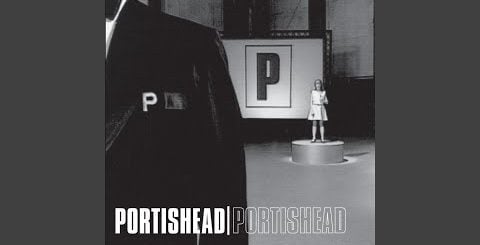
Emerging from the band’s seminal 1994 debut album, ‘Dummy’, the song encapsulates a moment in time, frozen yet fluid, where possibilities of tenderness are undermined by the specter of what might be lost. As we dive into the lyrics, we find a bittersweet symphony of longing and trepidation, one that resonates with the unnerving beauty of love’s uncanny valley.
Fear of Loss: A Lover’s Anxiety Dissected
Portishead masterfully weaves a narrative of fear intertwined with love, exposing the core anxiety that suffocates potential sweetness. The lines ‘I don’t want to hurt you / No reason have I but fear’ suggest a protagonist haunted by the possibility of inflicting pain, not through malice, but by their own insecurities and fears.
The admission of guilt ‘But I’m guilty of fear’ underscores a self-awareness that fear itself is the true transgression against love. This fear becomes the invisible antagonist, an obstacle that demands confrontation lest it usurps the vestiges of a shared dream.
The Necessary Pain of Growth in Love
The poignant refrain, ‘gotta try a little harder’, serves as a rallying cry against complacency in love, urging a commitment to personal and relational growth. It signals that love requires work, an incessant effort to move beyond the comfortable into the realm of the extraordinary.
In this context, ‘gotta try a little harder’ isn’t just a plea, it’s a declaration of intent to fight against the tides of fear in the pursuit of something that could be sweet. This effort may not guarantee success, but it highlights the inherent value found in striving for a richer, deeper connection.
Behind the Dream: The Hidden Meaning of Sweetness
‘Like a long forgotten dream’, the song evokes the tenderness of past joys, the ephemeral sweetness that life occasionally offers. This forgotten dream, wistful and elusive, becomes a metaphor for the moments of love that slip through fingers clouded by doubt.
When the song professes, ‘And we don’t need them / To cast the fate we have,’ it invites listeners to consider the autonomy in crafting love’s destiny. It’s a subtle rebellion against external determinations of fate, suggesting that despite fear’s shadow, the power to shape love remains firmly within the grasp of those willing to reach for it.
The Weight of Thoughts and the Struggle for Identity
Beth Gibbons’ soulful lament, ‘But the thoughts we try to deny / Take a toll upon our lives,’ expresses the internal conflict that arises when we attempt to reject our own feelings. Ensuing lines delineate the struggle of maintaining individuality (‘Tangled up in single minds’) within the confines of a relationship threatened by unsaid worries and unacknowledged desires.
This struggle isn’t just about the fear of losing the other, but also fear of losing oneself in the process. ‘It Could Be Sweet’ becomes a battle cry for emotional honesty and the arduous journey toward self-preservation amidst the merger of souls.
Memorable Lines that Etch a Haunting Echo
Certain lines in ‘It Could Be Sweet’ seem to echo long after the song has ended—’This life ain’t fair / You don’t get something for nothing, turn now’—encapsulating the inescapable truth of love’s labors. Through this refrain, Portishead illuminates the transactional aspects of life and by extension, relationships.
The mesmerizing blend of hope and melancholy, underscored by these memorable lines, offers a nuanced exploration of love—the sweet that could be, the bitter that often is, and the intertwined complexity that, even in its ambiguity, feels achingly real.