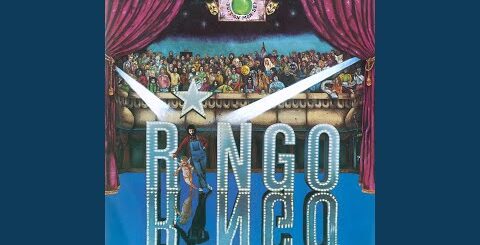
It Dont Come Easy by Ringo Starr Lyrics Meaning – Unpacking the Inspirational Anthem of Perseverance
- Music Video
- Lyrics
-
Song Meaning
- The Beat of Persistence: How ‘It Don’t Come Easy’ Captures the Human Spirit
- Tempering the Blues with Love – The Dual Core of ‘It Don’t Come Easy’
- Whispering Trust: The Soft Power in Ringo’s Voice
- The Sonic Revelation of a Hidden Path to Peace
- ‘What’s My Name?’ – The Unforgettable Hook and Its Lasting Echo
Lyrics
One, two, three, four!
It don’t come easy
You know it don’t come easy
It don’t come easy
You know it don’t come easy
Got to pay your dues if you wanna sing the blues
And you know it don’t come easy
You don’t have to shout or leap about
You can even play them easy
Open up your heart, let’s come together
Use a little love
And we will make it work out better
I don’t ask for much, I only want your trust
And you know it don’t come easy
And this love of mine keeps growing all the time
And you know it don’t come easy
Peace, remember peace is how we make it
Here within your reach
If you’re big enough to take it
Got to pay your dues if you wanna sing the blues
And you know it don’t come easy
You don’t have to shout or leap about
You can even play them easy
Peace, remember peace is how we make it
Here within your reach
If you’re big enough to take it
I don’t ask for much, I only want your trust
And you know it don’t come easy
And this love of mine keeps growing all the time
And you know it don’t come easy
“What’s my name?” Ringo!
“What’s my name?” Ringo!
“Just in case anybody forgot”
Ringo Starr’s ‘It Don’t Come Easy’ is a musical exemplar of self-reflection and tenacity, an ode to the hard-fought battles in the journey of life. This track, with its deceivingly simple chorus and construction, inveigles listeners into a deeper contemplation about the price of success and inner peace.
While often overshadowed by his Beatles bandmates, Starr’s solo work masterfully encapsulates human truths within its rhythms. ‘It Don’t Come Easy,’ with Starr’s gritty yet playful vocal delivery, has earned its place as a beloved classic, resonating with those who understand that nothing worth having ever comes without effort and resilience.
The Beat of Persistence: How ‘It Don’t Come Easy’ Captures the Human Spirit
The beat of a drum not only drives tempo; it symbolizes the heartbeat of human endeavor. In ‘It Don’t Come Easy,’ Ringo Starr taps into this to deliver a message of persistence. The song’s backbone is its consistent rhythm – a metaphor for the steadiness required to face life’s challenges. Starr himself, often the rock-steady beat-keeper for The Beatles, knew the value of consistency in the backdrop of musical revolution.
In the song, the drums don’t just keep time; they tell a story of sticking to the grind, of not being led astray by the promise of shortcuts. For Ringo, the path to success was a mixture of paying dues and clinging to an enduring love for his art – a reality he shares with the collective understanding of every struggling artist.
Tempering the Blues with Love – The Dual Core of ‘It Don’t Come Easy’
While the song bluntly states the difficulties of singing the blues, or tackling life’s hardships, it balances the toil with an invitation to ‘Open up your heart, let’s come together.’ This is not just a call to unity but a call to temper our adversities with love—to approach our struggles not with force but with warmth and understanding.
Starr’s insistence on the use of love as a means of overcoming obstacles and forging a better world is indicative of his era’s ideals. Yet, it remains indelibly relevant today. The juxtaposition of love against hardship emphasizes that it’s not the darkness of the blues that defines us, but the light we choose to counter it with.
Whispering Trust: The Soft Power in Ringo’s Voice
While other rock songs of the time might have hollered for attention, ‘It Don’t Come Easy’ converses with the listener. Starr’s request for trust is delivered with a gentleness that belies its monumental weight. He is not merely asking for patience; he’s advocating for mutual understanding and the collective journey towards growth.
By asking for trust, Starr acknowledges the vulnerability in asking audiences—and perhaps even himself—to buy into the notion that love, peace, and perseverance are the keys to success. It’s a powerful act, delivered through Starr’s unassuming vocals, that personalizes the grand narrative to each and every listener.
The Sonic Revelation of a Hidden Path to Peace
‘Peace, remember peace is how we make it,’ Starr sings, implying that amidst life’s cacophony, there is a hidden melody that can lead us to tranquility. This segment of the song suggests an inner peace that predates any external success, a state of being that must be actively remembered and pursued amidst the turmoil.
The term ‘hidden’ applies here in that the path to peace, according to the song, is not self-evident. It’s nestled within ‘your reach,’ suggesting that it requires a stretch—perhaps a leap—of faith or action. It is ‘big enough to take it’ that confronts us with the daunting task of being capacious enough within ourselves to grasp the holistic breadth of peace.
‘What’s My Name?’ – The Unforgettable Hook and Its Lasting Echo
Ringo playfully interjects with ‘What’s my name?’ inviting his audience to chant ‘Ringo!’ This catchy hook isn’t just for memorability; it’s a reaffirmation of identity, an assertion of individuality within the collective. After a career often eclipsed by the larger-than-life personas of his fellow Beatles, Starr stakes his claim in this line. It’s a reminder to listeners that the man behind the drums has a voice, a name, and a message that rings out clearly.
In this anthemic shout-out, there’s an underlying suggestion that remembering one’s name—symbolic of one’s essence and presence—is integral to overcoming. It reinforces the core themes of the song by marrying the concept of personal struggle with the power of self-assertion. It’s Ringo’s wink to the audience, a playful reminder that amidst the challenges, one must not forget the essence of who they are.