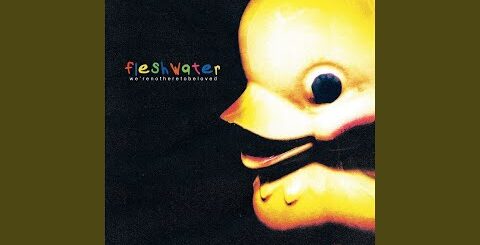
Kiss the Ladder by fleshwater Lyrics Meaning – Ascending the Rungs of Raw Emotion and Authenticity
Lyrics
You run away
You talk too much
To keep stowed away
What once was
Your conscience
(Is too calm)
I′m not here
(To fear it)
The blindfold is untied
Now I don’t want to be anyone
(You stress)
Now I dont want to be anyone
Anymore
Anyone
Anymore
In an era where music often masquerades as a vehicle for the overly produced and the insincere, fleshwater’s ‘Kiss the Ladder’ cuts through the noise with a razor-sharp authenticity that begs a deeper listen. The track, a hauntingly bare confession laid over a sparse instrumental, is a poignant reminder of the power of vulnerability in art.
The song’s pensive mood and lyrical complexity have struck a chord, prompting listeners to ponder the deeper significance behind the verses. What does it mean to kiss the ladder? Is it a gesture of reverence, a sign of surrender, or a cryptic symbol for something entirely different? This analysis dives into the poetic essence of fleshwater’s brooding melody to unearth the layers of meaning that reside within.
The State of Being Nobody: Liberating or Daunting?
The chorus’s repeated line—’Now I don’t want to be anyone’—echoes with a haunting resonance that serves as the core mantra of the song. It speaks to a universal human desire at some point: the yearning to strip away labels and societal expectations, and to sit in the quiet of one’s essence, unadorned and unencumbered.
But this assertion bears a twofold interpretation. On one hand, it can be seen as an ennobling liberation from the pressures of identity and fame. However, a darker perspective reveals the line as a resignation to anonymity, a relinquishing of ambitions and desires in a world that can be punishingly indifferent to individuality.
Decoding the Dichotomy of Silence and Noise
The juxtaposition present in ‘You run away / You talk too much’ and ‘To keep stowed away / What once was’ suggests a tension between expression and restraint. Perhaps it’s a metaphor for the internal struggle of an artist, toeing the line between sharing their craft and protecting the purity of their creation from the cacophony of the world.
The lyrical imagery paints a vivid picture: words, once a wellspring of release and connection, now threaten to obscure what was originally meant to be conveyed. The dilemma, one that is all too familiar for creatives, raises questions about the balance between transparency and self-preservation in an era where everyone has a platform.
In the Quiet of Conscience: A Haunting Tranquility?
The verse ‘Your conscience / (Is too calm)’ followed by ‘I’m not here / (To fear it)’ unravels a compelling introspection into the psyche of the narrator. The calmness of conscience might traditionally indicate a sense of peace or satisfaction, yet in the context of this song, it could be unsettling—a lack of feeling where one would expect emotion.
The admittance of ‘not being here to fear it’ suggests a deep estrangement from one’s own moral compass, indicative of a detachment or perhaps a deliberate defiance against the expectations of emotional response. It speaks to the human condition where sometimes, the most stirring silence is an inner stillness that comes when we stop seeking approval or fear judgment.
The Hidden Meaning Behind Unbinding the Blindfold
When fleshwater weaves ‘The blindfold is untied’ into the narrative of ‘Kiss the Ladder,’ they are using powerful symbolism to suggest an awakening or a newfound clarity. It’s as though the protagonist has been participating in a charade, blindfolded by convention and expectation, only to suddenly find themselves disoriented by the light of truth.
This metaphorical blindfold could embody self-deception or the illusions we harbor to navigate through life. Its removal signifies a painful, yet crucial moment of self-discovery. It’s not just seeing things as they are, but also the daunting task of reconciling with that reality without the blindfold’s protective guise.
The Lyrical Crescendo: Memorable Lines That Steal the Show
Certain lyrics have the power to embed themselves into the collective consciousness, tethering emotions and thoughts in few words. ‘Now I don’t want to be anyone / Anymore’ locks into this echelon of impact, encapsulating a sentiment that resonates with anyone who has ever grappled with the desire to abandon the race for identity.
The lyric’s simplicity belies its depth, offering a stark reflection upon the self-imposed burdens of personhood and reminding us that sometimes, the most profound revolutions occur not in the world, but within the pockets of silence, we dare to explore within ourselves.