La Bayamesa by Buena Vista Social Club Lyrics Meaning – Unveiling the Heartbeat of Cuba
Lyrics
Tristes recuerdos de tradiciones
Cuando contempla sus verdes llanos
Lágrimas vierte por sus pasiones
Sí, lleva en su alma la baya-mesa
Tristes recuerdos de tradiciones
Cuando contempla sus verdes llanos
Lágrimas vierte por sus pasiones
Sí, ella es sencilla (ella es sencilla)
Le brinda al hombre (le brinda al hombre)
Virtudes todas (virtudes todas)
Y el corazón (y el corazón)
Pero sí siente (pero sí siente)
De la Patria el grito (de la Patria el grito)
Pero sí siente
De la Patria el grito
Todo lo deja, todo lo quema
Ese es su lema, su religión
Ese es su lema (ese es su lema su religión)
Su religión
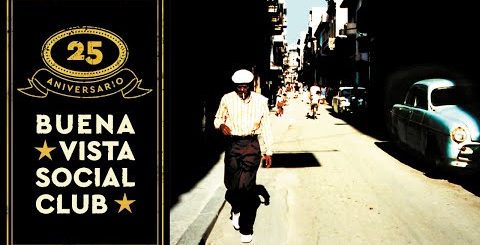
In the lush tapestry of Cuban music, the Buena Vista Social Club’s rendition of ‘La Bayamesa’ emerges as an understated yet profound narrative. Much like a tender whisper against the cacophony of life, the song carries the weight of cultural identity and patriotism within its melody. The Social Club, renowned for reviving traditional Cuban music, breathes new life into this classic, inviting listeners to explore the complex emotions tied to homeland and heritage.
The soulful melody of ‘La Bayamesa’ serves as a vessel for transporting us back in time while rooting us firmly in the present, resonating with the bittersweet recollections of a country marked by beauty and turmoil. This article delves into the layered meanings behind the poetic lyrics, shedding light on the poignant message carried forth by the vibrant voices of Buena Vista Social Club.
The Melancholy of Memory: A National Lament
The opening lines of ‘La Bayamesa’ evoke a sense of profound longing, as if the land itself is imbued with memories that arouse both pride and sorrow. The repeated phrase ‘lleva en su alma la baya-mesa’—carrying in the soul the essence of Bayamo—highlights an intrinsic connection to a place steeped in tradition and history. The Bayamo reference is not just geographical but a symbol of the Cuban spirit, harkening back to the city known for its role in the fight for independence.
The ‘tristes recuerdos de tradiciones’ (sad memories of traditions) likely twine remembrance with the harsh reality of cultural practices lost or transformed under the pressures of colonialism, political strife, and the passage of time. As such, the mention of ‘sus verdes llanos’ (her green plains) that induces tears speaks to the deep-seated love and profound attachment to the landscape that is a source of identity for the Cuban people.
Veiled Reverence: Exalting Simple Virtue
In praising the simplicity and virtue of the song’s subject, Buena Vista Social Club draws a compelling contrast between innate grace and the stirring of nationalist fervor. They sing of a woman—or perhaps an allegory for Cuba itself—who offers ‘virtudes todas’ (all virtues) and heart, embodying the timeless qualities admired and exalted in Cuban culture.
This admiration for simplicity and genuineness is not just a reflection of character but a deeper commentary on cultural values that prioritize essential human decency and community over grandeur or external achievements. It’s a subtle reminder that true virtue often lives in the unpretentious and the everyday, waiting to be acknowledged and respected.
A Garrison of Passion: When Love Ignites for Country
‘Pero sí siente. De la Patria el grito.’ These lines unfold the transformation that occurs when the quiet reverence of a peaceful existence meets the sudden clarion call of the homeland. There is a stark visceral reaction depicted in the song, a conversion of serenity into a fierce, almost religious devotion to the homeland as the lyrics depict the readiness to leave everything behind in service of the nation.
The notion that this love burns everything in its path, much like a fire consuming all it touches, elevates patriotism to sacred heights, reinforcing the idea that for many, love of country transcends all other loves. To the Cuban sensibility, this notion is not abstract—it is as tangible as the very air they breathe, carrying the taste of sacrifice and the heat of passion.
The Anthem’s Core: Diving Into the Song’s Hidden Meaning
At surface level, ‘La Bayamesa’ functions as a tribute to a woman or a region; however, diving deeper into its verses reveals the allegory of a nation personified. The ‘Bayamesa’ is Cuba itself, an embodiment of pride and anguish, beauty and tragedy, simplicity and valor. Through its lyrics, the song captures the duality of the Cuban experience—the existential battle between cultural preservation and the ravages of change.
In this context, the lyrical ‘grito’ (cry) represents a rallying call extending beyond the borders of Bayamo, morphing into a universal call to arms for all Cubans. It reflects an innate, almost spiritual response to protect and honor one’s culture, roots, and very existence as a people. ‘La Bayamesa,’ in its essence, is a microcosm of the larger narrative of Cuban history, marked by the resilience of its people and the enduring vibrancy of its cultural heart.
Echoes That Resonate: Memorable Lines that Define the Song
The song gains traction in the heartstrings of those who hear it through powerful repetitive phrases that guarantee the message’s endurance. The haunting refrain, ‘todo lo deja, todo lo quema’ encapsulates the fiery spirit of dedication to the motherland, painting a picture of absolute surrender to the cause of liberty and identity.
Broken down further, the phrase ‘ese es su lema, su religión’ crystallizes the song’s message into a mantra, suggesting that the core of Cuban patriotism is akin to a faith, unwavering and solemn. This comparability to a sacred tenet highlights the song as a declaration of intrinsic values, instilling a sense of unity and strength among its listeners. ‘La Bayamesa’ encodes the emotional legacy of a people, brilliantly weaving the personal and the political, the local and the universal, into the fabric of song.