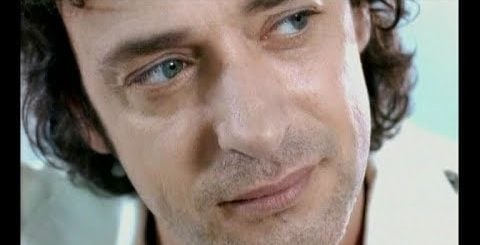
Lago En El Cielo by Gustavo Cerati Lyrics Meaning – Exploring the Depths of Emotional Resonance
Lyrics
Quiero ser suave
Para evitar tu dureza
Apago tu fuego
Enciende mi agua
Puede que no haya certezas
Vamos despacio
Para encontrarnos
El tiempo es arena en mis manos
Sé por tus marcas
Cuanto has amado
Más de lo que prometiste
Hoy te apuré
(Estaba tan sensible)
Son espejismos que aumentan la sed
Si adelanté no me hagas caso
A veces no puedo con la soledad
Vamos despacio
Para encontrarnos
El tiempo es arena en mis manos
Sé por tus marcas
Cuanto has dejado
Para olvidar lo que hiciste
Sentir algo que nunca sentiste
Sos el paisaje más soñado
Y sacudiste las más sólidas tristezas
Y respondiste cada vez que te he llamado
Vamos despacio
Para encontrarnos
El tiempo es arena en mis manos
Un lago en el cielo
Es mi regalo
Para olvidar lo que hiciste
Y sentir algo que nunca sentiste
Hacerte sentir
Algo que nunca sentiste
There’s an ethereal quality to ‘Lago En El Cielo’ that transcends the auditory experience and seeks to touch the soul. Gustavo Cerati, the brilliant Argentine musician known for his poetic lyricism and inventive prowess, has long been a master of infusing profound emotion into his work. In the intricate layers of ‘Lago En El Cielo,’ Cerati unveils a narrative of introspection, connection, and the metaphysical search for meaning.
The song itself serves as an undulating journey through the complexities of the human experience, love, and the poignant pursuit of happiness — each verse an intricate brushstroke in the masterpiece that is Cerati’s lyrical painting. But what lies beneath the surface of this enigmatic anthem? As we peel back the layers, we uncover the vibrant undercurrents that define the song’s true essence.
Tales From The Water’s Edge: The Fluidity of ‘Lago En El Cielo’
The title itself, ‘Lago En El Cielo’ (Lake in the Sky), evokes a sense of serene suspension—a place where earth and ether meet. Cerati’s choice of imagery speaks to an idyllic dream state where tranquility reigns. The juxtaposition of water and air, elements both malleable and powerful, allude to the dualities within human emotions: the softness required to overcome hardness, the quenching of one’s inner flame to find balance.
As Cerati whispers, ‘Quiero ser suave / Para evitar tu dureza’ (I want to be gentle / To avoid your harshness), it’s evident that this song is as much about individual transformation as it is about the relationships that shape our journey. The give and take, the push and pull of both personal growth and the influence of others upon our path. The narrative paints a picture of reciprocal transformation, where selves and souls are changed in the subtle dance of life.
The Intangible Certainties of Love
In a world ridden with uncertainties, ‘Lago En El Cielo’ finds Cerati confessing, ‘Puede que no haya certezas’ (There may be no certainties). This refrain isn’t one of despair but rather an acknowledgment of love’s enigmatic nature. Relationships and emotions are not grounded in the definitive. They are as fluid as time itself, slipping through our fingers like ‘arena en mis manos’ (sand in my hands).
Through these words, Cerati resounds the sentiment that much of what we experience in our connections with others cannot be measured or predicted. The song champions the concept that the beauty of love and life lies in their impermanence and the imperfections that come with being truly present in the moment. It’s a meditation on the ephemerality of feeling and the notion that it is better to have felt and lost than to have never felt at all.
Reflections and Revelations: Cerati’s Mirrors of the Soul
Cerati’s use of reflective imagery, ‘Son espejismos que aumentan la sed’ (They are mirages that increase the thirst), delves into the idea that our deepest desires and fears can distort our perceptions. This line serves as a haunting reminder that the longing for connection or the fear of solitude can sometimes lead us to see what isn’t there, to chase after illusions because of an insatiable thirst for something more.
It is in this recognition of mirages where the song’s hidden meaning starts to crystallize. ‘Lago En El Cielo’ isn’t simply a song about love or desire; it’s a journey of self-discovery. Cerati invites listeners to explore the murky waters of their own psyche, suggesting that the thirst they seek to quench may reveal far more about themselves than the objects of their desire.
The Rhythm of Resilience: Beating the Solidest Sadness
‘Y sacudiste las más sólidas tristezas’ (And you shook the most solid sadnesses), sings Cerati, hinting that true strength is found in the ability to confront and dispel life’s inherent melancholy. The act of shaking off the ‘sólidas tristezas’ is a powerful metaphor for resilience and the human capacity to transform sorrow into something beautiful, perhaps even as enchanting as a lake in the sky.
There’s a triumph in Cerati’s words, a victory march that resonates with any soul who’s faced the abyss and found a way to turn despair into hope. By acknowledging pain, by calling to it and being answered, he encapsulates the human experience—a cycle of sadness and joy, of destruction and creation.
Echoes of a Legacy: The Verses That Resonate
The phrase, ‘Sentir algo que nunca sentiste’ (To feel something you’ve never felt), encapsulates the remarkable ability of ‘Lago En El Cielo’ to resonate with listeners. Here is the abiding call to experience the novel and profound, an invitation to break from the mundane and habitual to chase those uncharted emotional territories. These words linger, urging us to seek new horizons within and without.
Gustavo Cerati’s ‘Lago En El Cielo’ encapsulates the wanderlust of the heart and the enduring quest for a connection that’s as transformative as it is elusive. It’s a song that stands as both an exploration and a guide—a musical compass pointing towards the unexplored landscapes of our inner worlds. As the chords fade, the song leaves us with a sense of infinite possibility, like a vast, starry sky reflected on a tranquil, infinite lake.